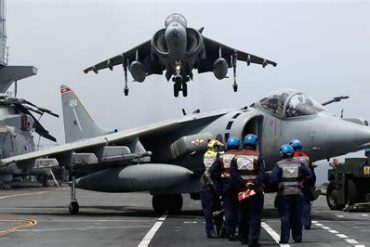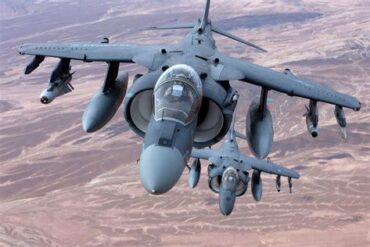
Few aircraft in the world conjure the same blend of admiration and awe as the Harrier Jump Jet—a marvel of engineering known for its Vertical/Short Takeoff and Landing (V/STOL) capabilities. Designed initially for battlefield flexibility and famously deployed by the British and American militaries, the Harrier stands as a symbol of cutting-edge aerospace achievement. But beyond the runways of the Royal Air Force and the U.S. Marine Corps, a compelling question emerges: Can a civilian legally buy and operate a Harrier jet? The answer, while nuanced, is yes—with considerable caveats.
The Legal Framework: Owning a Military Jet as a Civilian
In principle, civilian ownership of military aircraft is not outright prohibited in the United States. The Federal Aviation Administration (FAA) and Department of Defense (DoD) regulations allow private individuals to own retired military jets, provided they have been demilitarized (i.e., stripped of all weapon systems and combat functionality). Harriers are no exception. However, their complex design and operational demands make ownership more theoretical than practical for most.
Unlike surplus fighter jets like the MiG-21 or L-39 Albatros, the Harrier’s technical specifications elevate it into a class of its own. Its Pegasus turbofan engine, four swiveling nozzles, and unique reaction control systems enable vertical flight, but also present enormous challenges for maintenance and flight training. The aircraft was designed with experienced military pilots in mind—pilots with years of intensive training. For a civilian to acquire, restore, and fly such a machine legally requires an extraordinary combination of wealth, engineering resources, regulatory clearance, and flight credentials.
Notable Civilian Harrier Owners: Case Studies in Ambition
Perhaps the most well-known example of successful civilian Harrier ownership is Art Nalls, a retired U.S. Marine Corps lieutenant colonel and test pilot. In 2007, Nalls acquired a British Aerospace Sea Harrier FA.2 (serial XZ439) and painstakingly restored it to flight condition. The aircraft, demilitarized and registered with the FAA as an experimental aircraft, now tours the U.S. airshow circuit under the banner of Nalls Aviation.
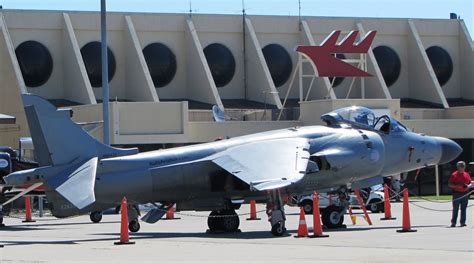
Nalls also owns a Harrier GR.3, used primarily for parts, and a two-seat Harrier T.8, which is undergoing a similar restoration. His efforts are emblematic of what it truly takes to operate one of the most advanced warbirds in private hands. The restoration process involved importing parts from the UK, securing FAA registration, and assembling a maintenance crew with Harrier-specific expertise—no small feat given the aircraft’s retirement from active service.
How to Buy a Harrier Jet: A Complex Transaction
For those undeterred by the complexity and cost, the process of acquiring a Harrier begins with identifying available surplus aircraft. Most Harriers are no longer in active inventory, having been decommissioned from British and American fleets in the 2000s. The British Ministry of Defence and U.S. Department of Defense occasionally sell demilitarized aircraft through auctions or military surplus channels, but these opportunities are exceedingly rare and highly competitive.
Once an aircraft is secured, it must be registered with the FAA under the experimental exhibition category, a classification that restricts its use to airshows, educational purposes, or private demonstration flights. Under no circumstances can a civilian aircraft be re-armed or used for combat simulation.
Financially, potential buyers should expect a base cost between $500,000 to $1 million for the aircraft itself, not including restoration or maintenance. Keeping a Harrier in flyable condition can cost several hundred thousand dollars annually, depending on flight hours, parts availability, and technician costs.
Maintenance Nightmares and Flying Challenges
The Harrier’s biggest allure—its V/STOL capability—is also its most significant liability. Maintenance crews must routinely dismantle major aircraft components, including detaching the wings for inspection and service. Its Rolls-Royce Pegasus engine demands specific calibration to synchronize the directional nozzles, while reaction ducts at the wingtips, nose, and tail require pristine condition for safe flight.
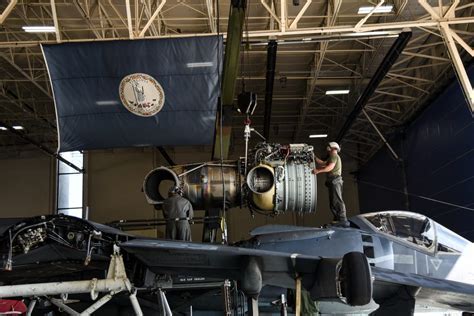
Training to fly a Harrier is another monumental hurdle. Unlike conventional jets, Harrier pilots must master simultaneous control of pitch, yaw, altitude, and vector thrust. The experience has been likened to “rubbing your head while patting your stomach while riding a unicycle.” Even military pilots with fast jet experience undergo months of simulator and flight training before taking the controls solo.
For a civilian, this means enlisting ex-military Harrier pilots or trainers—if they can be found—and obtaining FAA type certifications specific to the aircraft. Insurance, unsurprisingly, is prohibitively expensive and often requires special underwriting.
Geographical Disparities: U.S. vs. UK Ownership Laws
While the FAA provides a relatively accommodating environment for experimental aircraft, other jurisdictions are less permissive. In the United Kingdom, the Civil Aviation Authority (CAA) imposes stricter regulations. Civilian ownership of a Harrier is not expressly banned, but flight approval is extremely unlikely. The lack of a type-rated civilian certification, limited access to spare parts, and safety concerns contribute to an effectively prohibitive stance.
A high-profile example is Sir James Dyson, the British entrepreneur and inventor. Dyson owns a decommissioned Harrier, but it sits permanently grounded as a static display at the Dyson Technology campus in Malmesbury, Wiltshire.
Is It Worth It? Weighing Passion Against Practicality
For most civilians, owning a Harrier is an exercise in extreme aviation passion. The aircraft cannot be used for travel, carries only one or two occupants, and demands the kind of upkeep typically reserved for small squadrons. Enthusiasts argue that the thrill of owning one of the most iconic fighter jets ever built justifies the immense cost and effort.
But from a purely practical standpoint, there are far more manageable military aircraft available for private ownership. Trainers like the L-39 Albatros or T-33 Shooting Star offer jet performance with significantly lower operational complexity. Even some former Soviet MiGs, while maintenance-heavy, are easier to fly and find parts for than a Harrier.
Final Thoughts: The Harrier as a Civilian Dream Machine
In the world of private aviation, the Harrier stands as a symbol of ultimate ambition—an aircraft that pushes the limits not just of flight, but of ownership itself. Yes, it is technically possible for a civilian to own and fly a Harrier jet. But doing so demands immense financial resources, rare technical expertise, and a deep love for aviation history. It’s a feat achieved by a handful of elite individuals who treat the endeavor not as a hobby, but as a lifelong project of passion and precision.
For most, the Harrier will remain a fascinating relic of aerospace innovation—visible at airshows or behind velvet ropes in museums. For a determined few, however, it becomes something more: a personal mission to defy gravity, convention, and the boundaries between military and civilian skies.