Owning a private jet is a bold statement of personal freedom, efficiency, and luxury, yet it remains one of the most financially complex endeavors in modern aviation. While the allure is unmistakable, the true cost of private jet ownership is shaped by far more than just the initial purchase. It is a multifaceted financial commitment involving acquisition, operation, maintenance, personnel, legal compliance, and eventual resale considerations. In this comprehensive guide, we unveil the total cost structure behind private jet ownership—shedding light on what it genuinely takes to own and operate a private aircraft.
Initial Acquisition Costs
The most visible expense in owning a jet is its purchase price, which varies widely depending on aircraft class, age, and customization. Jet types range from modest, short-range aircraft to ultra-long-range intercontinental flyers, each commanding a different price bracket:
-
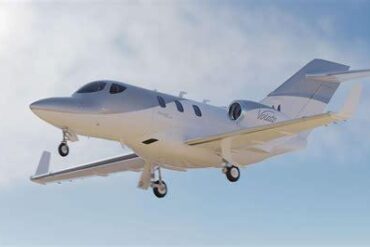
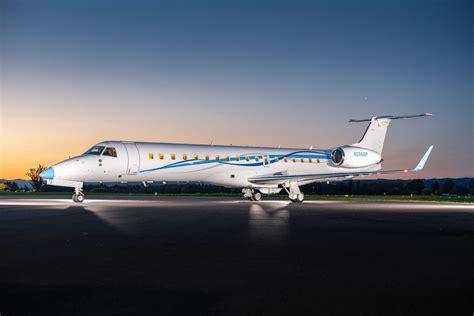
Very Light Jets (VLJs) like the Cessna Citation Mustang or Embraer Phenom 100 start around $3 million, accommodating four to six passengers for short-range flights.
-
Light Jets such as the Citation CJ3+ or Phenom 300 command $4 to $8 million, suitable for regional travel.
-
Midsize Jets, including the Challenger 350, range between $9 and $20 million, offering transcontinental range.
-
Super-Midsize Jets like the Gulfstream G280 cost $20 to $25 million, offering advanced capabilities for international flights.
-
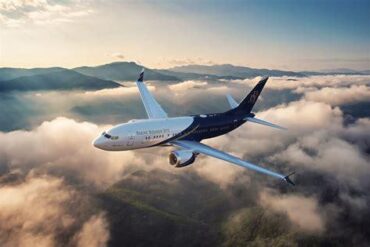
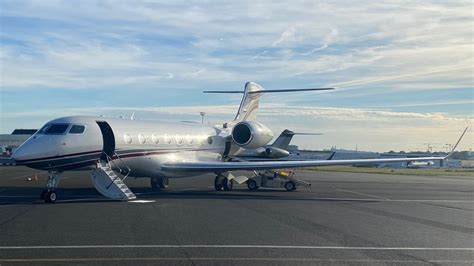
Heavy Jets—the Gulfstream G650 or Bombardier Global 7500—cost $35 million to over $70 million, with luxurious long-haul performance.
New vs. Pre-Owned Aircraft Considerations
Opting for a used private jet can reduce the acquisition cost by 20% to 50%, but buyers must account for higher maintenance, regulatory upgrades, and reduced fuel efficiency. Older jets often require avionics retrofitting, interior refurbishments, and compliance upgrades—expenses that quickly escalate into millions.
Financing also plays a role. Most buyers put down 10–20% upfront, financing the remainder over up to 20 years. With interest rates from 6% to 8%, long-term financing can add several million dollars in interest alone.
Insurance: Essential Yet Expensive
Annual insurance premiums typically cost 1% to 3% of the jet’s value. For a $20 million jet, that’s $200,000 to $600,000 per year. Premiums are influenced by:
-
Aircraft model and age
-
Use case (private vs charter)
-
Pilot qualifications
-
Flight regions (domestic or global)
-
Claims history
Hangar Storage and Parking
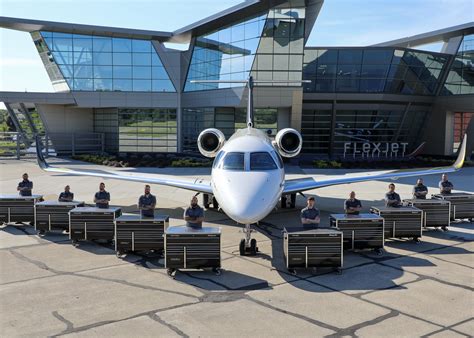
Securing your aircraft in a protected facility adds another layer of cost. Hangar fees range from $30,000 to over $200,000 annually, with prime locations like Teterboro (TEB) or Van Nuys (VNY) commanding the highest rates.
Regulatory Compliance and Certifications
Adherence to aviation regulations is non-negotiable. Jet owners must fund:
-
FAA registration and annual renewals
-
Airworthiness directives
-
International overflight and landing permits
-
Noise/emissions certifications
These accumulate into tens of thousands of dollars per year, especially for international operations.
Tax Burdens and Opportunities
Private jet ownership brings significant tax implications. While bonus depreciation under IRS guidelines allows accelerated asset write-offs, personal use triggers taxable fringe benefits. Additional taxes include:
-
Sales and use taxes on the purchase (up to 10% in some states)
-
Federal excise taxes on flight hours
-
Property taxes in some jurisdictions
Sophisticated tax planning is essential to minimize liability.
Management Services: Convenience at a Cost
Most owners delegate operational duties to aircraft management companies, which handle:
-
Pilot and crew logistics
-
Maintenance oversight
-
Scheduling and charter management
-
Fuel and parts procurement
Management typically costs 10% to 15% of annual operating expenses, easily surpassing $500,000 per year for large jets.
Fuel Consumption and Pricing Volatility
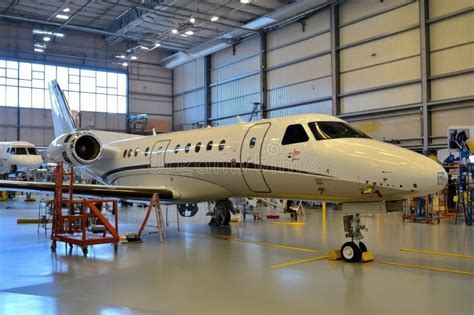
Fuel is the largest variable expense in jet operation. Jet-A fuel prices fluctuate globally, but a midsize jet burns around 200 gallons per hour. At $6–7 per gallon, that equates to over $1,200 per flight hour.
For a business jet flying 300–400 hours annually, fuel costs alone can exceed $1 million.
Crew Salaries and Training
Each private jet requires a trained flight crew. Annual salaries are:
-
Captains: $120,000–$300,000
-
First Officers: $85,000–$150,000
-
Flight Attendants (optional): $60,000–$100,000
Ongoing simulator training and recurrent certifications are mandatory and costly.
Maintenance, Repair, and Overhaul (MRO)
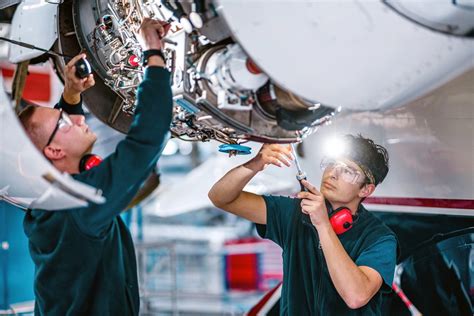
Jets must undergo rigorous scheduled and unscheduled maintenance. Annual MRO budgets often amount to 5%–10% of aircraft value, depending on usage and age.
Expenses include:
-
Routine inspections
-
Avionics repairs
-
Component replacement (tires, brakes, hydraulics)
-
Paintwork and interior cleaning
Major checks (like C-Checks) can cost over $1 million alone.
Flight Operations and Variable Costs
Every flight adds marginal operational costs such as:
-
Landing fees (variable by airport)
-
Air navigation charges (especially in Europe)
-
Ground handling and ramp access fees
-
Inflight catering and VIP services
These seemingly minor expenses aggregate into hundreds of thousands annually for active owners.
Legal and Administrative Expenses
Jet owners must also retain aviation legal counsel, tax specialists, and administrative staff to manage:
-
Contracts and warranties
-
Liability and insurance audits
-
International registration issues
-
Trust and LLC ownership structures
These services range from $10,000 to $100,000 annually, depending on the complexity.
Depreciation and Resale Dynamics
Jets are depreciating assets. On average, a jet loses:
-
10% to 15% of value in the first year
-
5% to 10% annually thereafter
Market volatility, manufacturer support, and model popularity heavily influence residual values. Accurate forecasting of depreciation is critical in calculating total cost of ownership.
Modernization and Upgrades
Even newer jets require upgrades to remain competitive and compliant. Typical upgrades include:
-
NextGen avionics (ADS-B, FANS, WAAS)
-
Cabin tech updates (Wi-Fi, satellite communications)
-
Interior refurbishments for wear and aesthetics
Comprehensive updates can cost $500,000 to $3 million, especially for older airframes.
Cost-Saving Alternatives to Full Ownership
For those unwilling to commit to full ownership, alternative private aviation models can offer significant savings:
Chartering
Chartering offers on-demand access without the financial weight of ownership. Best suited for less frequent flyers, it offers:
-
No fixed maintenance or crew costs
-
Access to multiple aircraft types
-
No depreciation concerns
Hourly charter rates vary by aircraft class—from $2,500 for light jets to $12,000+ for heavy jets.
Fractional Ownership
With fractional ownership, you purchase a share (typically 1/16 to 1/4) of an aircraft. This model provides:
-
Fixed hourly rates
-
Guaranteed availability
-
Predictable costs
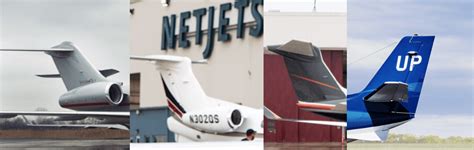
Providers like NetJets and Flexjet manage the aircraft while distributing costs among multiple owners.
Conclusion
The real cost of private jet ownership extends well beyond the glossy exterior of a parked jet. From multimillion-dollar acquisition costs to seven-figure operating budgets, owning a private jet requires precise financial planning, tax strategy, and logistical oversight. While full ownership offers unmatched freedom, many find that chartering or fractional ownership delivers the same prestige with fewer complications and less capital exposure. Understanding every financial element—upfront and recurring—is the cornerstone of informed, strategic private aviation investment.
FAQs
What is the average annual cost of owning a private jet?
Depending on the aircraft type and usage, annual ownership costs range from $700,000 for light jets to over $4 million for large, long-range aircraft. This includes maintenance, crew, insurance, hangar, and operational expenses.
How long can a private jet last before it needs replacement?
With proper maintenance, private jets can remain airworthy for 20 to 30 years. However, older jets often become less fuel-efficient and more expensive to maintain, prompting resale or upgrade around the 15–20-year mark.
Can private jet ownership be profitable through chartering?
Yes, chartering can offset costs, but full cost recovery is rare. Aircraft management firms may arrange charters during unused time, generating revenue that can cover 10% to 50% of operating costs, depending on utilization and market demand.