The secondary market for modern commercial aircraft has grown increasingly sophisticated, and few aircraft illustrate this better than the Boeing 737 MAX. Less than a decade after entering commercial service, the aircraft already commands a strong presence in the global resale market. Airlines expanding capacity, leasing companies rotating assets, and emerging carriers seeking fuel-efficient narrowbodies are all competing for relatively young airframes.
In 2026, the price of a used Boeing 737 MAX typically ranges between $40 million and $70 million, though certain aircraft can exceed that range depending on their configuration and technical condition. While that price may sound enormous, it represents a steep discount compared with the cost of a brand-new jetliner. The MAX family originally carried list prices exceeding $120 million, meaning a used example can sell for nearly half of its original advertised value.
Understanding how the price of a used 737 MAX is determined requires a closer look at several forces shaping the aviation marketplace: aircraft age, maintenance status, airline demand, lease structures, and the broader economics of modern air travel.
The Baseline: What a Brand-New Boeing 737 MAX Costs
To grasp the true value of a used aircraft, the logical starting point is the factory price of a new jet. For years, Boeing published official catalog prices for its aircraft, but the manufacturer discontinued this practice in 2019. The reason was simple: the numbers were mostly symbolic.
Airlines rarely pay the list price.
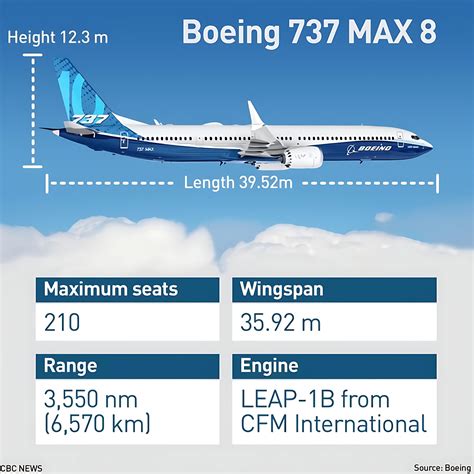
Before the catalog system disappeared, the 737 MAX family had advertised prices ranging from roughly $100 million to more than $130 million, depending on the variant. The most widely ordered model, the 737 MAX 8, carried a nominal price around $120 million, while the larger MAX 9 approached $130 million.
In reality, large airline customers negotiate significant bulk discounts. When carriers order dozens—or even hundreds—of aircraft, manufacturers often cut prices dramatically to secure the deal and maintain market share against rivals like the Airbus A320neo.
A clear example emerged in 2025 when flydubai placed a massive order for up to 150 Boeing 737 MAX aircraft valued at roughly $13 billion. When divided per aircraft, the deal implied an average price of about $87 million per jet, representing a discount of nearly 30% from list price.
This dynamic explains why used aircraft pricing can appear surprisingly low. The “original cost” often quoted publicly may already be far above what airlines actually paid.
The Typical Price Range of a Used Boeing 737 MAX in 2026
Despite entering commercial service only in 2017, the 737 MAX has already developed a measurable aftermarket. Airlines routinely buy and sell aircraft as their networks evolve, and leasing firms regularly transfer jets between operators.
By 2026, most used MAX aircraft are still extremely young. The oldest airframes are about nine years old, while the majority fall between four and six years of operational service.
Because of that relatively young age, resale prices remain strong. Market estimates generally place used MAX values between:
- $40 million and $70 million for most aircraft
- $50 million to $60 million for a typical 737 MAX 8 with moderate usage
- Up to $80 million or more for newer airframes with low flight cycles
Aircraft at the lower end of the spectrum usually share one or more of these characteristics:
- Early production batches
- Higher flight cycle counts
- Approaching major maintenance checks
- Interior configurations requiring refurbishment
Conversely, aircraft commanding higher resale values often feature modern cabin layouts, fewer cycles, and engines with longer remaining service intervals.
Why the 737 MAX Dominates Modern Narrowbody Fleets
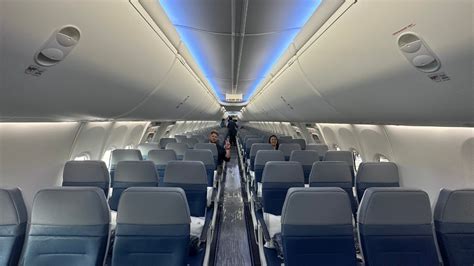
A major factor supporting strong resale prices is global demand for efficient narrowbody aircraft. Airlines increasingly rely on single-aisle jets for short- and medium-haul routes because they offer the best balance of operating cost and passenger capacity.
Major U.S. airlines operate large fleets of the aircraft, including:
- United Airlines
- American Airlines
- Southwest Airlines
These carriers deploy the aircraft across thousands of daily flights within North America. The result is a massive installed fleet base, which in turn creates a healthy aftermarket ecosystem. Airlines prefer aircraft types with large global fleets because spare parts, pilot training, and maintenance expertise are widely available.
For a leasing company or startup airline, purchasing a used 737 MAX therefore represents lower operational risk than acquiring a niche aircraft type.
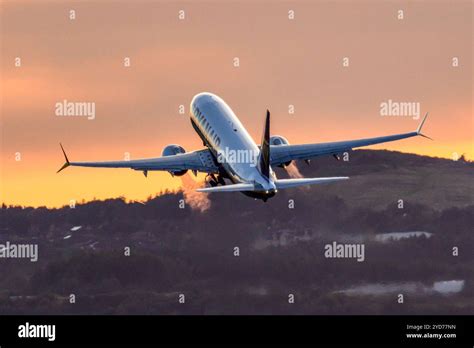
Another advantage lies in the MAX’s improved efficiency. Compared with the previous generation 737NG family, the aircraft delivers double-digit reductions in fuel burn, thanks largely to new CFM LEAP-1B engines, advanced winglets, and aerodynamic improvements.
Given that fuel remains the largest expense in airline operations, those efficiency gains translate into millions of dollars saved over the lifetime of the aircraft.
Comparing the 737 MAX With the Older 737NG Market
To understand why a used MAX commands tens of millions of dollars, it helps to compare it with its predecessor: the Boeing 737 Next Generation family, which includes the 737-700, 737-800, and 737-900.
For nearly two decades, these aircraft formed the backbone of short-haul airline operations worldwide. However, as they age, their resale value has declined dramatically.
A typical 737-800, once the most common airliner on Earth, now sells for $15 million to $30 million depending on age and condition. Some high-cycle aircraft nearing retirement can sell for even less.
That price gap illustrates the technological leap between the generations.
The MAX offers:
- Lower fuel consumption
- Updated avionics systems
- Reduced carbon emissions
- Improved range and payload flexibility
Because of these improvements, airlines often prefer investing in newer aircraft despite the higher upfront cost. Over a 15- or 20-year operating horizon, the efficiency gains can more than compensate for the purchase price difference.
Leasing vs Buying: Another Dimension of Aircraft Value
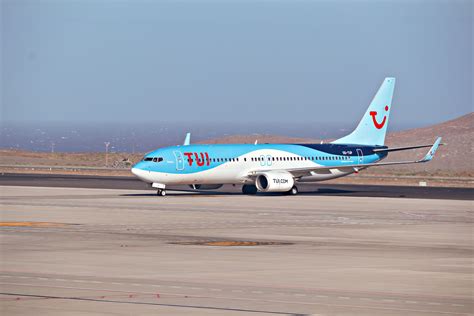
Airlines do not always purchase aircraft outright. In fact, leasing has become one of the dominant business models in aviation.
Instead of paying tens of millions upfront, airlines can lease a jet from an aircraft leasing company and pay a monthly rental fee. For a new 737 MAX 8, lease rates in the mid-2020s generally range from $350,000 to $400,000 per month.
This model provides enormous flexibility.
An airline can quickly expand capacity during periods of high demand without committing massive capital to aircraft purchases. When the lease expires, the jet may be transferred to another airline or sold into the secondary market.
However, leased aircraft can sometimes sell for slightly lower resale prices when they reenter the market. Lease returns often require interior refurbishment, repainting, or heavy maintenance checks before a new operator can deploy the aircraft.
When jets transfer directly between airlines, integration tends to be faster. A notable example occurred when Delta Air Lines acquired widebody aircraft previously operated by LATAM Airlines, allowing them to enter service quickly with minimal modifications.
The Technical Factors That Drive Used Aircraft Pricing
Aircraft valuation is far more complex than simply measuring age. Several highly technical metrics influence the price of any used airliner.
Flight cycles are among the most important. Every takeoff and landing counts as one cycle, and these cycles gradually contribute to structural fatigue within the aircraft’s fuselage and wings. Aircraft used on short routes accumulate cycles faster than jets flying longer sectors.
A MAX that has completed 10,000 cycles may be worth significantly less than one with 5,000 cycles, even if both aircraft were built in the same year.
Maintenance events also play a huge role. Commercial aircraft must undergo periodic inspections known as C-checks and D-checks.
- C-checks occur roughly every 20–24 months and involve extensive inspections that can ground the aircraft for several days or weeks.
- D-checks, sometimes called “heavy maintenance visits,” occur approximately every six to ten years and require dismantling major portions of the aircraft structure.
A jet approaching a costly D-check will typically sell for less, because the new owner must soon invest millions of dollars in maintenance.
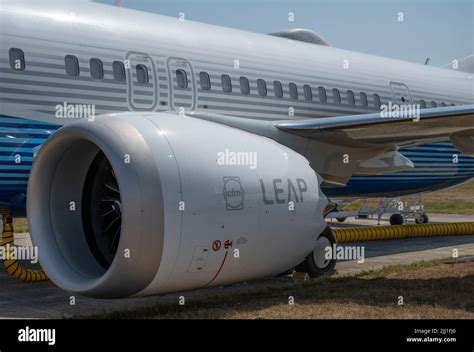
Engine status is equally critical. The LEAP-1B engines powering the 737 MAX represent one of the most expensive components on the aircraft. Overhauls can cost several million dollars per engine, so aircraft with more remaining engine life command higher prices.
Hidden Costs of Operating a Used Commercial Aircraft
Buying a used aircraft is only the beginning of the financial story. Operating a jetliner involves a web of ongoing costs that airlines must carefully evaluate.
Fuel typically represents the largest operating expense. Even minor differences in fuel efficiency can produce enormous cost differences across thousands of flights each year. That is one reason the 737 MAX continues to attract buyers despite its higher purchase price compared with older aircraft.
Maintenance costs represent another significant category. Aviation safety regulations require strict inspection intervals for every major system on the aircraft. Components must be repaired, replaced, or overhauled according to precise schedules established by regulators and manufacturers.
Beyond technical maintenance, airlines must also manage operational costs such as:
- Pilot and cabin crew training programs
- Spare parts inventories
- Insurance coverage
- Software and avionics updates
- Cabin reconfiguration and branding
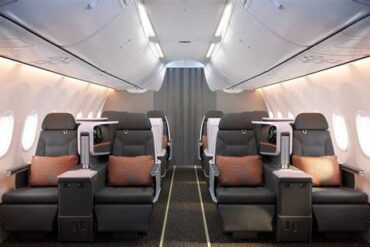
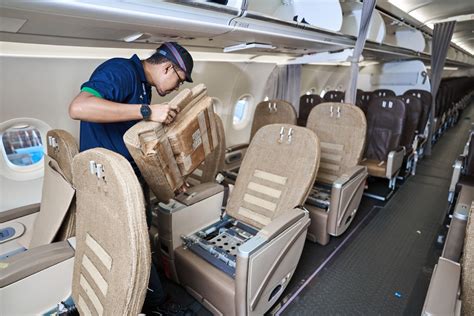
Cabin refurbishment alone can cost several million dollars, especially when installing new seats, inflight entertainment systems, or premium cabin layouts.
Why the Used 737 MAX Market Is Likely to Grow
Although the aircraft is still relatively young, the used 737 MAX market is expected to expand significantly in the coming decade. Several structural trends in the aviation industry point toward a growing supply of pre-owned aircraft.
Leasing companies frequently rotate aircraft through different operators as contracts expire. At the same time, major airlines periodically modernize their fleets, selling aircraft that still have decades of service life remaining.
This process creates opportunities for smaller or emerging airlines. Carriers like Avelo Airlines have already demonstrated how acquiring used narrowbody jets can provide a cost-effective pathway to rapid fleet growth.
As global travel demand continues rising, efficient aircraft like the 737 MAX will likely remain highly sought after in the resale market. The aircraft’s combination of modern technology, strong fuel efficiency, and widespread operational support ensures that it will remain a valuable asset for airlines around the world.
For buyers evaluating aircraft investments in 2026, the numbers tell a compelling story: a jet that once carried a nominal price exceeding $120 million can now be acquired for roughly half that amount, while still delivering cutting-edge performance and decades of remaining service life. In the world of commercial aviation finance, that balance of price and capability explains why the used Boeing 737 MAX has become one of the most attractive assets in the modern aircraft marketplace.