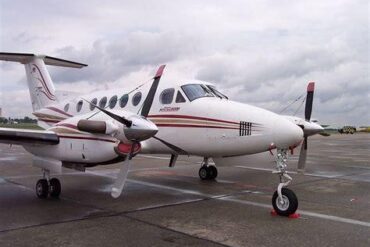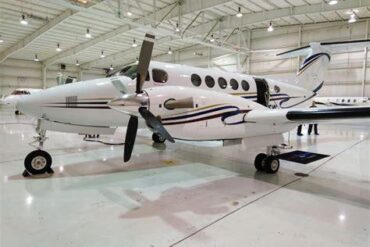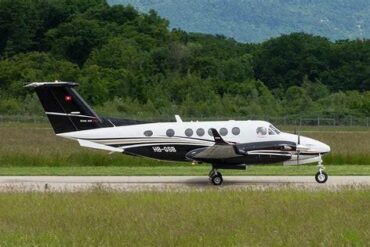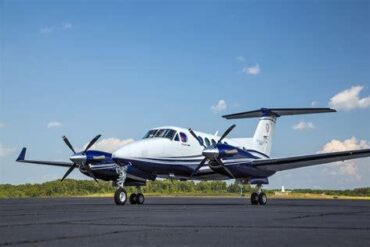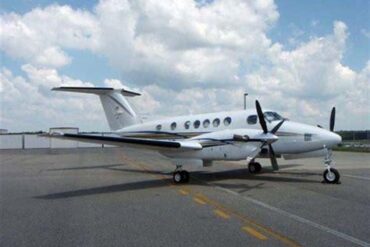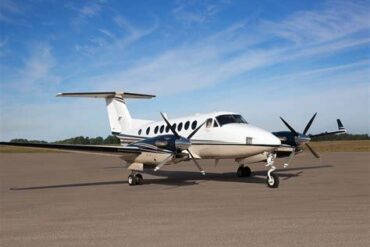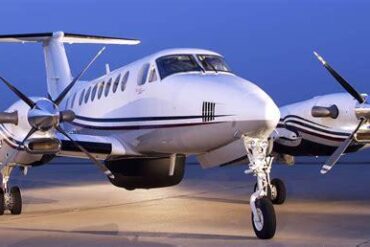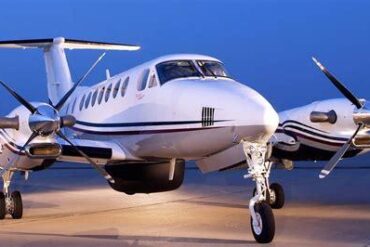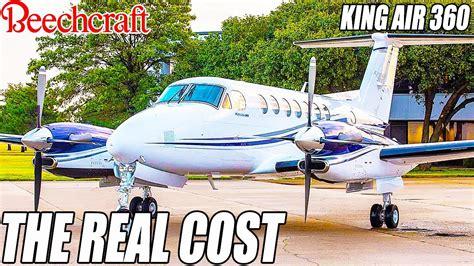
The Beechcraft King Air remains one of the most respected turboprop aircraft families in aviation. More than five decades after the first King Air entered service, the aircraft continues to dominate corporate aviation, charter operations, air ambulance services, government missions, and private ownership. Its reputation is built on a rare combination of reliability, runway flexibility, cabin comfort, and exceptional resale value.
For buyers evaluating a King Air in 2026, the key question is straightforward: how much does a Beechcraft King Air cost? The answer depends heavily on the model, age, equipment, and operating profile. A brand-new King Air can cost well over $9 million, while older examples remain available for less than $2 million.
Understanding the true cost requires looking beyond the purchase price. Acquisition costs, maintenance reserves, fuel consumption, insurance, crew expenses, and long-term depreciation all play major roles in determining the overall financial picture.
New Beechcraft King Air Prices in 2026
Textron Aviation continues to market the latest King Air variants as premium twin-engine turboprop aircraft capable of serving both business and utility missions. In 2026, the newest models carry substantial price tags that reflect advanced avionics, improved automation, and upgraded cabin amenities.
Current pricing places the King Air 260 at approximately $7.78 million, while the larger and more capable King Air 360 commands around $9.26 million.
These figures position the King Air family among the most expensive turboprops in the world. However, buyers are not simply purchasing transportation. They are investing in an aircraft platform that offers exceptional dispatch reliability, proven Pratt & Whitney PT6A engines, worldwide support infrastructure, and strong residual value retention.
The latest King Air aircraft include modern flight decks, digital systems, enhanced automation features, and improved fuel efficiency. Many operators view the premium purchase price as justified because of lower downtime and higher operational flexibility over the aircraft’s lifecycle.
After all, a business aircraft is not merely an asset sitting in a hangar—it is a productivity tool that can generate substantial value through time savings and operational capability.
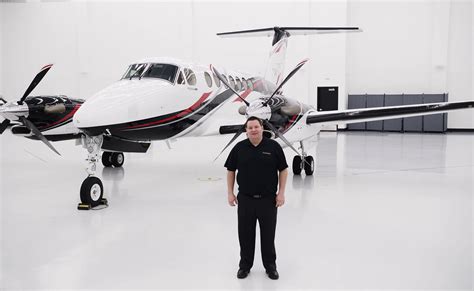
Used King Air Prices Across Different Generations
One of the biggest strengths of the King Air family is the diversity of the pre-owned market. Unlike many aircraft types that experience severe depreciation, King Air models often retain value remarkably well due to continued demand.
The price range in 2026 is enormous.
A late-model King Air 350i can still sell for approximately $7.9 million, nearly matching the cost of some factory-new aircraft. Meanwhile, an older King Air 300 from the 1980s may be available for under $1.6 million.
Several factors influence market value:
- Aircraft age
- Total flight hours
- Engine time remaining
- Maintenance history
- Avionics upgrades
- Interior condition
- Paint quality
- Mission equipment installation
A carefully maintained aircraft with recently overhauled engines and modern avionics often commands a substantial premium over similar airframes with deferred maintenance.
For many buyers, the used market represents the sweet spot between affordability and capability. Purchasing a well-maintained King Air that is ten to fifteen years old can significantly reduce acquisition costs while preserving most of the aircraft’s operational advantages.
Understanding the Major King Air Variants
The King Air family includes multiple generations and configurations, each targeting different mission requirements.
The King Air 200, introduced in the early 1970s, became one of the most successful turboprop aircraft ever built. With seating for six to eight passengers and cruise speeds approaching 270 mph, it established the benchmark for executive turboprop travel.
The King Air E90 offered dependable performance with twin PT6A-28 engines and a range of approximately 1,320 nautical miles. It remains popular among operators seeking a lower-cost entry point into twin-engine turboprop ownership.
The King Air C90A introduced larger wings and more powerful engines, improving both payload and performance. Later versions such as the C90B, C90GT, C90GTi, and C90GTx progressively enhanced passenger comfort, avionics capability, climb performance, and operational efficiency.
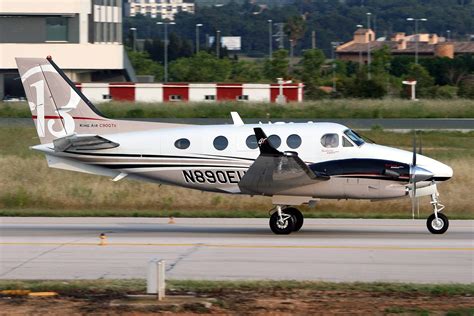
The larger Super King Air family—including the B200, B200GT, and B250—expanded the aircraft’s capabilities even further. These variants became favorites among charter companies, government agencies, and medical transport operators due to their increased payload capacity and longer range.
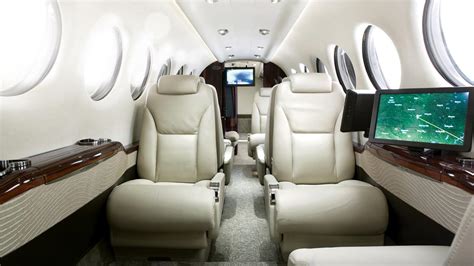
At the top of the traditional King Air lineup sits the King Air 350 and 350i, which offer larger cabins, advanced soundproofing, enhanced passenger amenities, and impressive mission flexibility.
These aircraft can comfortably transport seven passengers while maintaining excellent short-field performance that many light jets cannot match.
Ownership Costs Beyond the Purchase Price
Buying a King Air is only the beginning of the financial commitment. Annual operating expenses can rival the purchase price over the life of the aircraft.
Ownership costs generally fall into two categories: fixed costs and variable costs.
Fixed costs include:
- Insurance
- Hangar rental
- Crew salaries
- Training
- Database subscriptions
- Scheduled inspections
Variable costs include:
- Fuel
- Engine reserves
- Maintenance labor
- Replacement parts
- Consumables
For many operators, fuel represents roughly half of the hourly operating cost.
Annual ownership expenses vary considerably between models. Data from industry operating-cost analyses indicates yearly costs ranging from approximately $709,000 to nearly $950,000, depending on aircraft type and utilization levels.
Aircraft flown frequently tend to distribute fixed costs more efficiently, reducing cost per mile and cost per passenger.
For private owners who fly fewer hours annually, fixed expenses can become a disproportionately large component of overall ownership costs.
Fuel Consumption and Operating Economics
Fuel burn remains one of the most important cost considerations for King Air operators.
Older C90 variants generally consume fuel valued at approximately $501 per flight hour, while larger and more powerful models can exceed $750 per hour in fuel costs.
The operating profile of each aircraft significantly influences overall economics.
The King Air B200, for example, typically burns fuel costing around $629 per hour, while the B200GT can reach approximately $752 per hour due to higher performance capabilities.
Despite these figures, the King Air remains significantly more economical than many comparable business jets.
The combination of turboprop efficiency and respectable cruise performance creates an attractive middle ground between piston aircraft and light jets.
For operators flying routes between 300 and 1,200 nautical miles, the King Air often delivers exceptional value.
Engine Maintenance and Overhaul Expenses
One reason the King Air maintains its popularity is its use of the legendary Pratt & Whitney Canada PT6A engine family.
The PT6A has earned a reputation as one of aviation’s most dependable turbine engines. Many operators regard it as the gold standard for turboprop reliability.
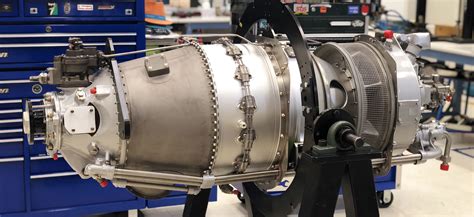
A major advantage is the engine’s long service life. Average intervals between overhauls often approach 3,600 flight hours, reducing the frequency of major maintenance events.
However, when overhauls become necessary, costs can be substantial.
A complete overhaul may cost as much as $500,000 per engine, depending on engine variant and maintenance requirements. Since most King Air aircraft utilize two engines, owners must plan carefully for these future expenses.
Engine reserves are therefore a critical part of any ownership budget.
Prudent operators establish maintenance reserves that accumulate funds gradually rather than facing unexpected six-figure repair bills.
New Versus Used King Air Ownership
Many prospective buyers face a common dilemma: purchase a new King Air or acquire a used aircraft.
New aircraft offer clear advantages.
Owners receive factory warranties, the latest avionics, improved automation systems, and lower near-term maintenance requirements. Newer aircraft also tend to retain stronger resale values and attract premium charter clients.
On the other hand, acquisition costs are dramatically higher.
A pre-owned King Air can provide many of the same capabilities at a fraction of the purchase price. Even accounting for higher maintenance expenses, the financial savings can be substantial.
The tradeoff often comes down to operational priorities.
Corporate flight departments seeking maximum reliability and passenger appeal frequently favor newer aircraft. Private owners and smaller operators often find greater value in well-maintained used examples.
Neither approach is universally better; the ideal choice depends on budget, mission profile, and long-term ownership strategy.
King Air Versus Competing Aircraft
The King Air faces competition from both turboprops and light jets.
The Pilatus PC-12 NGX, priced around $5.85 million, represents one of its strongest competitors. The Swiss-built aircraft offers excellent performance and lower acquisition costs, but operates with a single engine.
For operators prioritizing engine redundancy, the King Air maintains a significant advantage.
The Cessna Citation M2 is another alternative. With a purchase price near $5.6 million, it delivers considerably faster cruise speeds than a King Air.
However, jets typically require longer runways and can face operational limitations at smaller airports.
The Epic E1000 GX also competes in the high-performance turboprop segment. While offering impressive speed, it lacks the extensive global support network developed by Textron Aviation over decades.
For many buyers, the King Air’s reputation, support infrastructure, and proven track record outweigh modest performance advantages offered by competitors.
Why the King Air Continues to Hold Its Value
Few aircraft families demonstrate the long-term value retention of the King Air.
Several factors contribute to this strength.
The aircraft serves multiple markets simultaneously, including corporate aviation, charter services, government operations, cargo transport, air ambulance missions, and special-mission applications.
This broad demand base helps support resale values even during economic downturns.
The durability of the PT6A engines further enhances market confidence. Buyers understand they are purchasing a proven platform rather than an experimental technology.
Textron Aviation’s extensive service network also plays a critical role. Owners can access parts, maintenance support, and technical expertise virtually anywhere in the world.
As a result, older King Air aircraft often remain commercially useful decades after production.
Future Outlook for King Air Costs
Textron Aviation continues investing in the King Air platform. Future enhancements are expected to focus on sustainability, operational efficiency, and advanced cockpit technology.
The manufacturer is exploring hybrid-electric assist concepts and expanded compatibility with Sustainable Aviation Fuel (SAF). These developments may help reduce fuel consumption while supporting aviation’s environmental goals.
Modern King Air models already incorporate features that improve efficiency, including advanced autothrottle systems capable of optimizing fuel flow during flight.
As technology evolves, incremental improvements are likely to strengthen the aircraft’s competitive position.
Given its strong market reputation, global support infrastructure, and proven operating economics, the King Air appears well positioned to maintain its value well beyond 2030.
Conclusion
The cost of a Beechcraft King Air in 2026 ranges from less than $1.6 million for older pre-owned examples to approximately $9.26 million for a new King Air 360. Between those extremes lies a vast market of aircraft spanning multiple generations, performance levels, and price points.
While acquisition cost attracts the most attention, long-term ownership expenses—including fuel, maintenance, insurance, training, and engine reserves—ultimately determine the true financial commitment. Annual operating costs commonly range from $700,000 to nearly $950,000, depending on aircraft type and utilization.
Despite these expenses, the King Air continues to stand out as one of aviation’s most capable and versatile aircraft families. Its combination of twin-engine safety, exceptional reliability, strong resale value, and operational flexibility explains why it remains the benchmark against which other turboprops are measured. For buyers seeking a proven aircraft with enduring appeal, the Beechcraft King Air remains one of the strongest investments in private aviation.