The Boeing 737 stands as an enduring icon of commercial aviation. Since its inception in the 1960s, it has been developed across four generations, each pushing technological boundaries while aiming to maintain Boeing’s dominance in the single-aisle aircraft market. From the original 737-100/200 to the Classic, Next Generation (NG), and now the MAX series, each iteration has brought incremental enhancements. Yet, the transition from the 737NG to the 737 MAX is perhaps the most commercially strategic, but also the most controversial.
Understanding the Boeing 737 MAX: A Technological and Commercial Overview
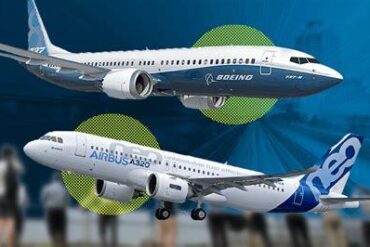
The Boeing 737 MAX represents Boeing’s response to Airbus’s highly successful A320neo family. Introduced as a replacement for the 737NG series, the MAX family includes the 737 MAX 7, 8, 9, and the newly designed 737 MAX 10. Each is intended as a successor to the NG’s 737-700, 737-800, and 737-900ER, respectively, with the MAX 10 positioned to take on the Airbus A321neo directly.
Technologically, the changes in the MAX are more evolutionary than revolutionary. It includes:
- New CFM LEAP-1B engines, offering improved fuel efficiency.
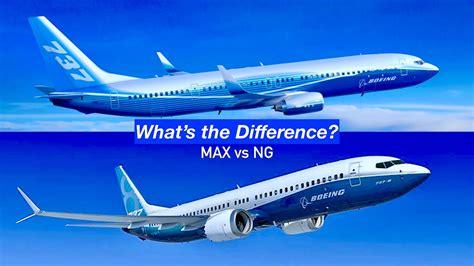
- Advanced Technology split-tip winglets.
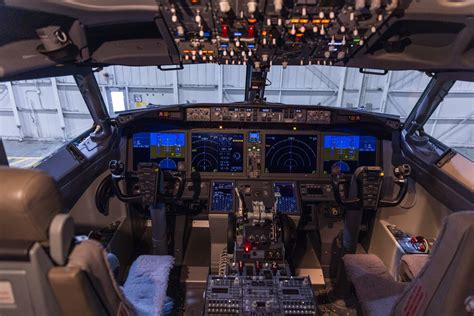
- Updated avionics with LCD cockpit displays, similar to those in the 787 Dreamliner.
- Revised aerodynamic features, including a taller nose gear and new tailcone.
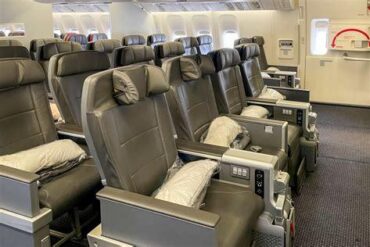
- Boeing Sky Interior as a standard offering.
Despite these changes, the core airframe of the 737 MAX remains largely unchanged from the 737NG—an intentional move to maintain type commonality and avoid extensive retraining requirements for airline crews.

Breaking Down the Price: 737 MAX vs 737 NG
While the structural differences between the 737 MAX and 737NG may appear modest, the costs tell a different story. Boeing’s list prices—though rarely reflective of actual transaction values—demonstrate a significant markup for the MAX series.
List Prices (Estimated):
- 737-700 (NG): $89.1 million
- 737 MAX 7: $99.7 million
- 737-800 (NG): $106.1 million
- 737 MAX 8: $121.6 million
- 737 MAX 200: $124.8 million
- 737-900ER (NG): $112.6 million
- 737 MAX 9: $128.9 million
- 737 MAX 10: $134.9 million
These prices represent a 10–20% premium across comparable variants. Yet, industry insiders widely acknowledge that real sales typically occur at 40–60% below list, depending on order volume and timing. For example, the 737 MAX 7, being less popular, is often sold at deeper discounts than its sticker price suggests.
Performance vs Price: Justifying the Premium
On the surface, the price jump from the 737NG to the MAX could be justified by improved fuel efficiency, reduced maintenance costs, and updated cabin experience. However, a closer inspection reveals the margins are slimmer than Boeing might hope.
The CFM LEAP-1B engine, for example, is smaller and lighter than its A320neo counterpart (LEAP-1A), but it is also less efficient at cruising altitudes. This compromise was necessary due to the 737’s low-slung design, which limits engine diameter. As a result, the MAX 8 burns more fuel per seat-mile than the A320neo, despite offering more seating capacity and slightly longer range.
Furthermore, unlike the 737NG which had a clear advantage over the Airbus A320-200 in range and capacity, the 737 MAX 8 and the A320neo are now more closely matched.
Used Market Values and Demand Metrics
Analyzing second-hand market value provides a revealing lens through which to gauge real-world aircraft desirability. The 737-800, the workhorse of the NG family, remains highly sought after in the used aircraft market. Its versatility, reliability, and commonality make it a staple among low-cost carriers and legacy airlines alike.
Meanwhile, the 737 MAX still battles legacy concerns stemming from its early grounding following two fatal crashes. Although recertified and increasingly integrated into global fleets, the lingering reputation issues somewhat affect its resale potential and leasing rates. Nonetheless, demand is recovering steadily, especially for the 737 MAX 8 and MAX 10.
Sales Figures: Gauging Popularity by the Numbers
The sales trajectory of the 737 family compared to its Airbus counterparts paints a vivid picture:
737NG Total Deliveries: 6,752
- 737-600: 69
- 737-700: 1,130
- 737-800: 4,991
- 737-900/900ER: 557
Airbus A320ceo Family Deliveries: 8,106
- A318: 80
- A319: 1,486
- A320: 4,756
- A321: 1,784
The 737-800 alone outsold the A320, showcasing Boeing’s dominance during that era. However, the tide has turned with the current generation:
A320neo Family Orders (as of late 2025):
- A320neo: Over 4,000
- A321neo: Over 7,000
737 MAX Family Orders:
- 737 MAX 8: ~3,000
- 737 MAX 9 & MAX 10: Fewer than 2,000 combined
The disparity is stark, particularly for the A321neo, which has become the aircraft of choice for many carriers due to its unparalleled range-capacity mix. Boeing’s delayed 737 MAX 10 certification has allowed Airbus to surge ahead, leaving Boeing scrambling to catch up.
The Strategic Compromise Behind the MAX
In the early 2010s, Boeing considered launching an all-new narrowbody aircraft to replace the aging 737 platform. However, amid budget overruns with the 787 Dreamliner and the A320neo’s surprise success, Boeing pivoted. The decision to re-engine the existing airframe led to the birth of the MAX series.
This decision—driven more by market urgency than innovation—resulted in several design compromises, particularly with engine placement and aerodynamic balance. These compromises eventually contributed to the design flaws behind the MCAS system, which played a central role in the MAX’s two fatal crashes.
While Boeing has since resolved the safety concerns and gained regulatory recertification globally, the reputational damage lingers, influencing public perception and airline purchasing decisions.
Is the Premium Worth It? Airline Perspectives
From an airline’s standpoint, the real-world cost per available seat mile (CASM) and total lifecycle cost are more critical than the list price. The 737 MAX does offer improved economics over the NG—lower fuel consumption, better avionics integration, and improved passenger experience. However, the gains are incremental, not transformational.
For example, the 737 MAX 8 carries more passengers than the 737-800, but it also weighs more. Its LEAP-1B engines are more efficient than the CFM56-7Bs on the NG, but not dramatically so—especially considering the leap in list prices. This has led many analysts to question whether the 737 MAX delivers enough value to justify its premium over used or discounted 737NG aircraft.
Boeing’s Future with the 737 MAX
The success of the 737 MAX depends heavily on the MAX 10, Boeing’s answer to the A321neo. With a maximum seating capacity of up to 230 and competitive range, the MAX 10 aims to reclaim the segment Airbus has come to dominate. However, Boeing’s delay in certification has severely limited its market penetration.
Had the MAX 10 been introduced earlier, it could have created positive halo effects for the entire MAX family—much like how the A321neo has driven A320neo sales. Instead, Boeing’s conservative approach and miscalculations have cost the manufacturer both time and customer confidence.
Conclusion: A Costly Evolution, Not a Revolution
The transition from the 737NG to the 737 MAX was driven more by market survival than technological leadership. Boeing needed a quick answer to the A320neo, and the 737 MAX was the most viable solution under the constraints of time, cost, and legacy design.
Although the 737 MAX offers improved fuel efficiency, updated avionics, and marginally better economics, it commands a steep price premium for relatively modest advancements. While airlines do benefit from operational commonality, especially those with large NG fleets, the value proposition of the MAX is increasingly challenged by Airbus’s rapidly growing neo portfolio.
As the aviation market continues to evolve, Boeing must look beyond incremental upgrades. The future may demand a clean-sheet design, unburdened by the compromises of legacy platforms. Until then, the 737 MAX, despite its price, remains a stopgap solution in a fiercely competitive duopoly.