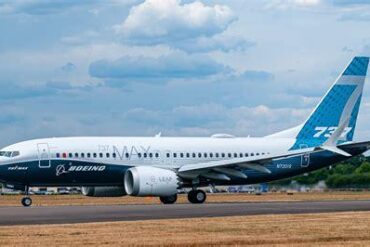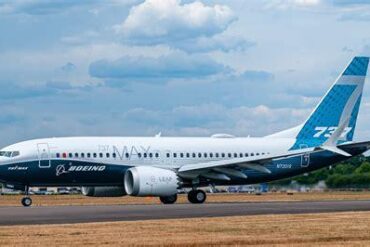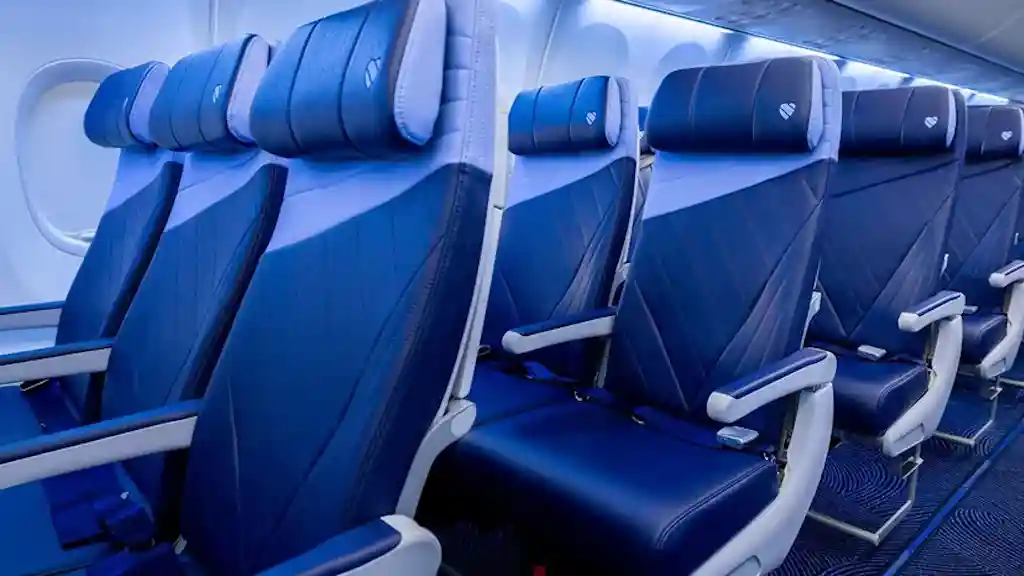
The Federal Aviation Administration (FAA) has proposed a new airworthiness directive that could require inspections of seat track assemblies on 453 Boeing 737 MAX aircraft registered in the United States. The proposed action follows the discovery of a potential manufacturing issue involving seat track holes that may not meet approved dimensional requirements.
The directive does not immediately ground any aircraft, and the FAA has not determined that the affected Boeing 737 MAX jets are unsafe to operate. Instead, the proposed inspection requirement reflects the regulator’s standard approach of identifying possible risks early and requiring corrective action before a problem develops into a more serious safety concern.
FAA Targets Potential Boeing 737 MAX Seat Track Manufacturing Issue
The proposed inspection applies to specific variants within the Boeing 737 MAX family, including the 737 MAX 8, MAX 8200, and MAX 9 models. According to the FAA, certain seat track holes may have been manufactured with oversized dimensions, potentially affecting the structural performance of passenger seat attachments.
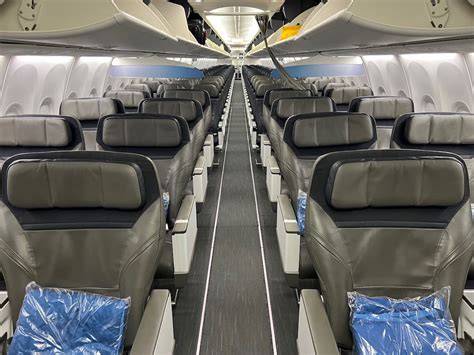
Seat tracks are critical components that secure passenger seats to the aircraft cabin floor structure. While they are not involved in normal flight operations, they play an important role during emergency situations when seats must withstand significant forces caused by sudden deceleration.
If a seat track attachment does not meet design specifications, the ability of passenger seats to maintain their required structural strength could potentially be reduced. The FAA’s proposed directive is intended to identify aircraft with affected components and ensure they receive appropriate corrective action.
The inspection process would require airlines to examine specific seat track locations using procedures provided by Boeing. If maintenance teams discover oversized holes or other discrepancies, operators would need to complete approved repairs or replacements before returning the aircraft to full service.
Inspections Expected to Create Limited Airline Disruption
Unlike major aircraft safety directives that can result in immediate fleet restrictions, the proposed Boeing 737 MAX inspection requirement is expected to be handled through scheduled maintenance programs. Airlines would likely coordinate inspections during planned service intervals whenever possible to minimize operational disruptions.
Aircraft manufacturers frequently discover manufacturing inconsistencies after aircraft have entered commercial service. These findings can emerge through production reviews, quality audits, engineering analysis, or regulatory oversight. When regulators determine that a potential safety issue exists, an airworthiness directive provides a formal process to ensure every affected aircraft receives attention.
Most FAA directives are resolved through targeted inspections, component adjustments, or replacement procedures rather than aircraft groundings. The goal is to maintain safety standards while allowing airlines to continue operating their fleets efficiently.
FAA Continues Increased Oversight of Boeing Production Standards
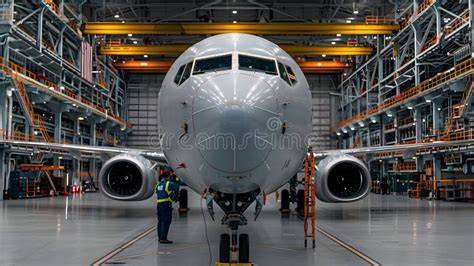
The latest proposal comes as Boeing remains under increased regulatory scrutiny following several recent manufacturing and quality-control concerns across its commercial aircraft programs. The FAA has expanded its oversight activities, focusing on production processes, supplier quality, and compliance with approved aircraft designs.
However, the seat track issue is separate from earlier Boeing 737 MAX problems involving flight control systems and structural concerns. The new proposal focuses specifically on manufacturing conformity and ensuring that installed aircraft components match certified requirements.
The FAA’s continued monitoring highlights the importance of aircraft safety oversight throughout an airplane’s entire operational life. Certification does not represent the end of regulatory attention; instead, aircraft remain subject to inspections, engineering reviews, and potential modifications as new information becomes available.
For Boeing, maintaining confidence in the 737 MAX program remains a major priority as the company works to increase production rates and advance certification efforts for additional MAX variants. Regulatory approval and manufacturing consistency are essential as airlines continue expanding their narrow-body fleets.
Proposed Directive Shows How Aviation Safety Rules Evolve
The FAA’s proposed seat track inspection requirement demonstrates how modern aviation safety systems operate through continuous evaluation. Regulators, manufacturers, and airlines constantly analyze aircraft data to identify potential risks before they affect passengers or flight operations.
If finalized, the directive would establish a specific compliance period requiring affected operators to complete inspections and any necessary corrective actions. Before that happens, the FAA will review public comments and determine whether changes are needed before issuing a final rule.
The proposed action involving 453 Boeing 737 MAX aircraft represents another example of preventive aviation oversight. Rather than waiting for an in-service failure, regulators are addressing a possible manufacturing issue through inspections designed to protect passengers and maintain the high safety standards expected from commercial aviation.