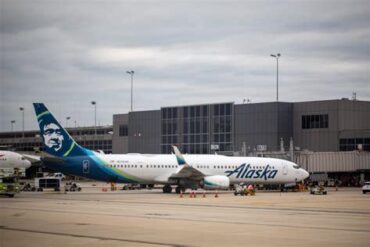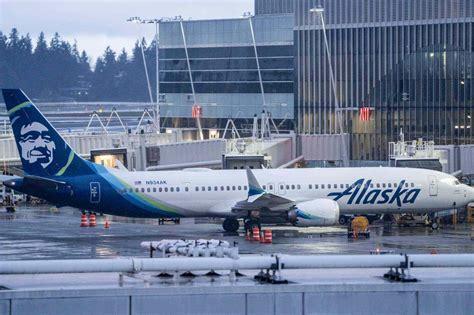
The Federal Aviation Administration has proposed a $165,000 civil penalty against Alaska Airlines after alleging the carrier permitted visibly intoxicated passengers to board at least 11 separate flights over a one-year period. The incidents, which reportedly occurred between February 2024 and February 2025, have intensified scrutiny over how airlines enforce federal safety rules designed to prevent disruptive or dangerous behavior in the cabin.
According to the FAA, the passengers involved showed clear signs of impairment before boarding, placing the airline in violation of Federal Aviation Regulation Section 121.575, which prohibits airlines from allowing intoxicated individuals onto commercial aircraft. The enforcement action highlights a growing regulatory crackdown on airline compliance, particularly involving passenger conduct, crew safety, and alcohol-related disturbances.
Airlines operating within the United States are legally obligated to identify and deny boarding to travelers who appear drunk or otherwise impaired. The FAA argues that Alaska Airlines failed to consistently enforce those requirements despite visible warning signs that should have triggered intervention from gate agents or cabin crew members.
The proposed fine now leaves Alaska Airlines with two choices: accept and pay the penalty or formally contest the allegations through a hearing before an administrative judge under the US Department of Transportation.
The case arrives during a period of heightened attention on aviation safety culture, with federal regulators increasing audits and enforcement actions across several major carriers.
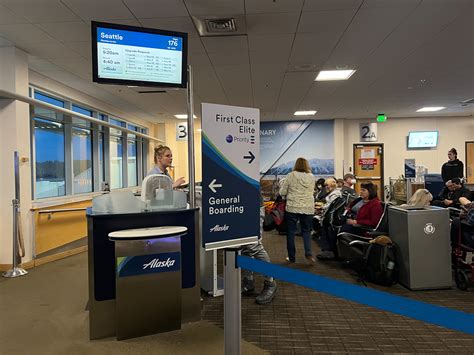
Alaska Airlines Responds With New Training and Boarding Procedures
Alaska Airlines has publicly acknowledged the FAA investigation and stated that it has already implemented corrective measures intended to strengthen compliance procedures. The airline says it cooperated fully with federal auditors and moved quickly once concerns were raised.
Company spokesperson Tim Thompson stated that Alaska Airlines introduced “meaningful changes” after discussions with regulators began more than a year ago. Those changes reportedly include expanded employee training, enhanced screening protocols for gate staff, and stricter procedures for identifying intoxicated travelers before boarding.
The airline’s response reflects how seriously carriers treat alcohol-related enforcement risks. A single disruptive passenger can create operational chaos, delay departures, divert flights, threaten crew safety, and trigger costly investigations. In severe cases, intoxicated passengers have physically assaulted flight attendants, interfered with emergency procedures, or forced aircraft to make unscheduled landings.
FAA regulations place substantial responsibility on airline employees because cabin crews serve functions far beyond customer service. Flight attendants are trained first responders responsible for emergency evacuations, onboard medical situations, and maintaining order during critical incidents. Regulators therefore view intoxicated passengers not merely as a customer issue, but as a direct aviation safety concern.
Industry analysts note that airlines have become increasingly aggressive in denying boarding to visibly impaired passengers since unruly passenger incidents surged during the pandemic recovery years. Federal authorities issued thousands of fines between 2021 and 2023 as onboard confrontations became more common across the industry.
How Airlines Detect Intoxicated Passengers Before Boarding
Airline staff receive specialized behavioral training designed to identify signs of impairment during the boarding process. The FAA encourages crews to use observational techniques that assess speech, coordination, reactions, and emotional stability before passengers enter the aircraft cabin.
One commonly referenced screening method uses the acronym “TRIP” — tone, reactions, impairment, and personality. Employees are trained to identify slurred speech, delayed reflexes, imbalance, aggressive behavior, emotional instability, or unusually exaggerated friendliness.
The process often begins at the gate. Staff members conduct what airlines describe as a “scan and greet,” briefly engaging each traveler in conversation while observing facial expressions, posture, eye contact, and movement. Signs such as glazed eyes, stumbling, flushed skin, or the smell of alcohol can immediately trigger additional scrutiny.

Airline personnel are also trained to recognize attempts to conceal alcohol consumption. Strong cologne, excessive mouthwash use, chewing gum, or erratic behavior may prompt further evaluation. If staff determine that a passenger appears intoxicated, the traveler’s reservation can be flagged within the airline’s operating system to prevent boarding through another gate or aircraft entrance.
If a situation escalates into confrontation or aggression, airport police or local law enforcement may intervene. Passengers denied boarding for intoxication typically forfeit their airfare and may face additional FAA penalties reaching up to $37,000 per violation depending on the severity of the incident.
The financial consequences can become even steeper if an intoxicated traveler causes a diversion. Airlines may pursue civil damages for fuel costs, crew overtime, airport fees, and operational disruption, expenses that can climb into tens of thousands of dollars for a single incident.
FAA Expands Enforcement Across the Airline Industry
The Alaska Airlines case is part of a wider enforcement push by the FAA aimed at tightening operational compliance throughout commercial aviation. Regulators have recently increased audits involving alcohol testing, drug screening, maintenance practices, and operational oversight at multiple major carriers.
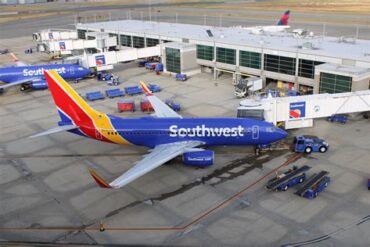
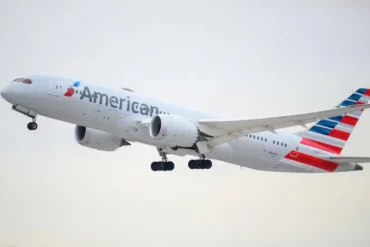
Earlier this year, the FAA proposed a $255,000 fine against American Airlines and a $304,000 penalty against Southwest Airlines over allegations involving failures to properly comply with federal drug and alcohol testing requirements for employees, including pilots, mechanics, and flight attendants.
Those investigations focused on whether airlines properly followed mandatory testing schedules after workers tested positive for prohibited substances. Under Department of Transportation regulations, aviation employees who fail alcohol or drug screenings must undergo extended monitoring and repeated unannounced testing before returning to safety-sensitive duties.
The FAA’s aggressive posture reflects mounting pressure on regulators to restore public confidence following several years of intense scrutiny across the aviation sector. Aircraft manufacturing quality concerns, operational disruptions, staffing shortages, and rising numbers of passenger incidents have all contributed to greater federal oversight.
Safety experts say regulators increasingly view enforcement actions not simply as punishment, but as tools to force long-term cultural changes within airlines. Civil penalties send a public signal that procedural shortcuts, inconsistent oversight, or weak compliance systems will face financial and reputational consequences.
For Alaska Airlines, the proposed penalty itself may prove less damaging than the broader reputational implications tied to passenger safety enforcement. Airlines compete heavily on public trust, and incidents involving intoxicated travelers can quickly undermine confidence among frequent flyers and corporate customers alike.
As the FAA continues expanding audits and investigations across the industry, airlines are expected to further tighten boarding procedures, employee training standards, and reporting systems aimed at preventing intoxicated passengers from ever stepping onto an aircraft.