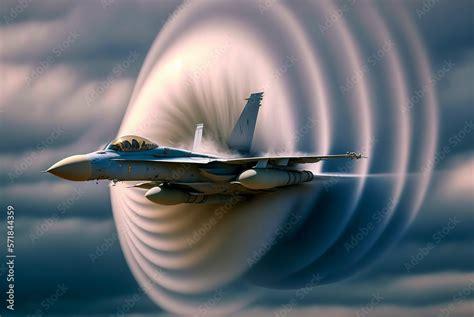
The concept of breaking the sound barrier captures the imagination of aviation enthusiasts and the general public alike. It evokes dramatic images of high-speed aircraft, explosive sonic booms, and the precision of military response. But beyond the cinematic portrayal lies a complex network of regulations, technical considerations, and mission-specific justifications that determine when and why military jets can actually go supersonic.
To the average civilian, hearing a sonic boom might be a once-in-a-lifetime experience—or an alarming one. For military aviators, however, reaching Mach 1, or approximately 767 miles per hour at sea level, is routine—albeit heavily regulated. The reasons for those regulations, the exceptions to them, and the impact of sonic booms all contribute to a fascinating aspect of modern air combat and national defense.
Understanding the Sound Barrier: Mach 1 and Supersonic Flight
Breaking the sound barrier means an object—most often an aircraft—is traveling faster than the speed of sound. This speed is variable, depending on altitude and atmospheric conditions, but it’s generally set at 767 mph at sea level. When an aircraft crosses this threshold, it experiences a rapid increase in aerodynamic drag, and the surrounding air pressure drops drastically.
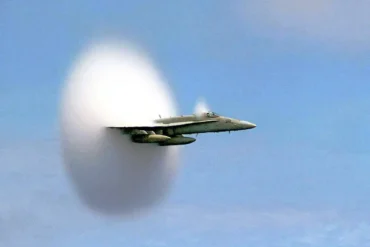
This shift in conditions creates visible and audible phenomena: a rapid condensation cloud known as a vapor cone, and a sonic boom—a thunderous sound wave caused by the pressure differential the aircraft generates as it displaces air faster than the air can move around it.
Historical Context: The First Sonic Boom and the Legacy of Chuck Yeager
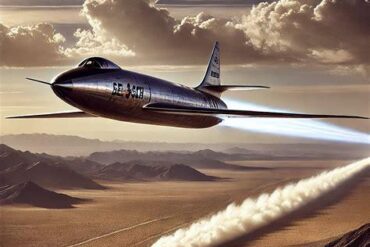
The modern era of supersonic flight began on October 14, 1947, when Charles “Chuck” Yeager piloted the Bell X-1 past Mach 1 at an altitude of 45,000 feet. Yeager’s rocket-powered aircraft, dubbed “Glamorous Glennis” in honor of his wife, was dropped from a modified B-29 Superfortress before igniting its engines to achieve this milestone. The sonic boom he generated over the Mojave Desert was not just a technological triumph but also a warning of the immense power and disruption supersonic speeds could unleash.
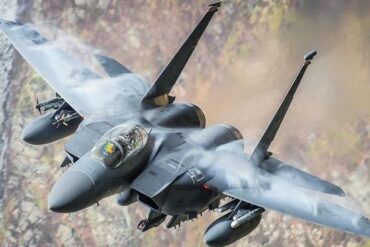
Since then, supersonic capability has become a cornerstone of military aviation. From the F-15 Eagle and F-22 Raptor to the Eurofighter Typhoon and Dassault Rafale, many aircraft in NATO and allied inventories are capable of exceeding Mach 2 under combat conditions. However, that capability is used sparingly in peacetime, especially over civilian areas.
Sonic Booms and Their Disruptive Effects
One of the major reasons supersonic flight is restricted over land is the disruptive nature of sonic booms. The sound wave produced by an aircraft traveling faster than sound can travel dozens or even hundreds of miles, often sounding like an explosion to those unfamiliar with it. In populated areas, this can result in:
- Broken windows
- Structural damage to buildings
- Public panic or confusion, especially during emergencies
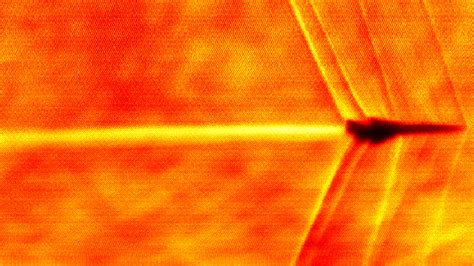
These effects have led governments, especially in the United States, to prohibit routine supersonic flight over land. The Federal Aviation Administration (FAA) and the U.S. military have long-standing policies that restrict such flights to offshore training areas or remote ranges, such as those in Nevada, Utah, or Alaska. Exceptions are few—and notable.
Emergency Exceptions: When Rules Are Broken for National Security
There are rare but legitimate situations in which military aircraft are authorized to break the sound barrier over populated areas. These exceptions typically involve national security emergencies, such as intercept missions or rapid response scenarios.
One such example occurred in June 2023, when an F-16 fighter jet from the D.C. Air National Guard went supersonic while intercepting a non-responsive Cessna private jet that had violated restricted airspace near Washington, D.C. The sonic boom rattled the region and caused widespread confusion before being explained by federal authorities.
A more historic example unfolded on September 11, 2001, when U.S. air defenses scrambled to intercept commercial airliners that were feared to be hijacked. A jet deployed to protect Air Force One went supersonic, generating a boom over the Dayton, Ohio area. Given the chaos of that day, the sound of a sonic boom only added to the anxiety among civilians.
These incidents illustrate that the use of supersonic flight overland is not only tightly controlled but is often a last-resort decision made in real-time during unfolding crises.
The Space Shuttle Exception: NASA’s Supersonic Legacy
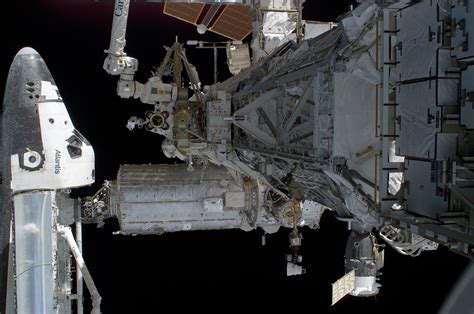
Interestingly, NASA’s now-retired Space Shuttle program offered the public one of the most routine exposures to sonic booms. As the Shuttle re-entered Earth’s atmosphere and approached landing sites like Kennedy Space Center or Edwards Air Force Base, it often created twin sonic booms—one for the nose and one for the tail.
These were typically anticipated and announced in advance to avoid public alarm. For example, in 2013, when the Atlantis orbiter was scheduled to land with a descent path over northern Los Angeles, NASA issued public notices warning of impending sonic booms. The boom would arrive well before the orbiter itself became visible, often shaking windows and startling unaware residents.
Supersonic Policy Evolution: Executive Orders and Future Prospects
For decades, the FAA’s Part 91.817 regulation has prohibited civilian aircraft from flying supersonic over U.S. land due to noise pollution. This also applied to military aircraft, except when operating in designated zones. However, these restrictions have been the subject of political and technological reevaluation.
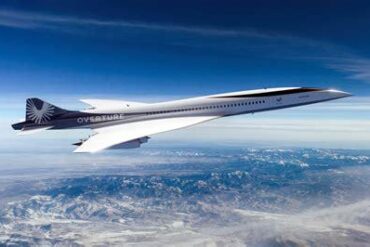
In 2020, an Executive Order by President Donald Trump encouraged the FAA to reexamine supersonic flight rules with the goal of reviving commercial supersonic aviation. While primarily targeting civilian ventures like Boom Supersonic, the policy shift also prompted discussions on military flexibility. However, as of 2025, military flights remain bound by stringent rules, with any deviation subject to airspace coordination and risk assessment protocols.
This doesn’t mean change isn’t on the horizon. Advances in low-boom technology—a field NASA is exploring with its X-59 Quiet SuperSonic Technology (QueSST) aircraft—could open new avenues for military and commercial supersonic travel. If future jets can reduce or eliminate disruptive booms, more flexibility in supersonic missions might follow.
Where Supersonic Training Still Happens
Military pilots still train at supersonic speeds, but those exercises are restricted to certain areas:
- Over open ocean airspace where sonic booms will dissipate over water
- Designated military operating areas (MOAs) like the Nevada Test and Training Range or Point Mugu Sea Range
- Temporary airspace exemptions during joint exercises or combat training missions, often coordinated with local authorities
These areas allow pilots to simulate high-speed intercepts, air combat maneuvers, and missile evasion tactics that are mission-critical in real-world scenarios. The supersonic component of this training is non-negotiable, especially for pilots flying next-generation fighters like the F-35 Lightning II or interceptors like the F-15EX Eagle II.
The Concorde Conundrum: Lessons from Commercial Supersonic Flight
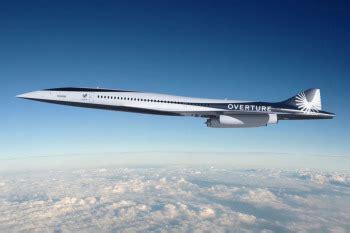
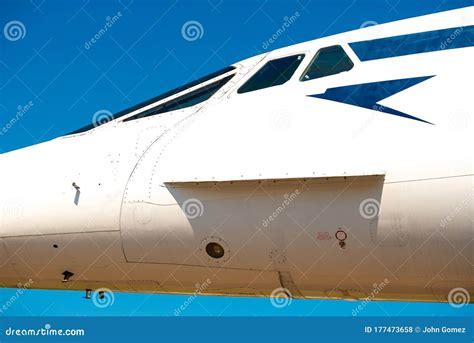
The experience of the Concorde, the Anglo-French supersonic passenger jet, remains a cautionary tale. Despite its extraordinary speed—crossing the Atlantic in just over three hours—the aircraft was banned from flying supersonic over land. Its powerful sonic booms were deemed too disruptive, especially in the U.S., which restricted it to transoceanic routes.
This precedent has deeply influenced military policy. Even though military aircraft are not commercial, the public impact remains a serious concern, especially in densely populated areas. As a result, military planners must weigh the benefits of speed against the costs of public disturbance.
Conclusion: Speed, Power, and Responsibility
Supersonic flight remains a potent symbol of military power and technological advancement, but it comes with serious responsibilities. When military aircraft break the sound barrier, they do so for clear and specific reasons—usually tied to training in isolated zones or responding to emergencies.
The policies restricting sonic booms over land are rooted in decades of experience, public safety concerns, and environmental considerations. While emerging technologies may someday make quiet supersonic flight a reality, for now, the boom of a fighter jet remains a rare and deliberate event—one that echoes both the prowess and the prudence of modern air power.