Supersonic flight represents a monumental leap in aviation history, achieved when an aircraft surpasses the speed of sound—roughly 767 mph (1,234 km/h) at sea level. This threshold, known as Mach 1, introduces a host of complex aerodynamic challenges, which engineers have masterfully overcome with the convergence of advanced materials, design, and propulsion technologies. While the concept was once confined to military and experimental applications, the dream of supersonic travel for civilians became a reality with the Concorde and is now poised for a bold resurgence.
The evolution of supersonic aircraft is not just about speed; it’s a symphony of engineering excellence designed to counteract intense air resistance, heat, and the formidable sonic boom. From the cockpit to the wingtips, every detail is crafted with precision to achieve this audacious feat.
Understanding the Science of Supersonic Travel
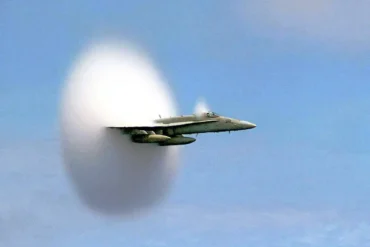
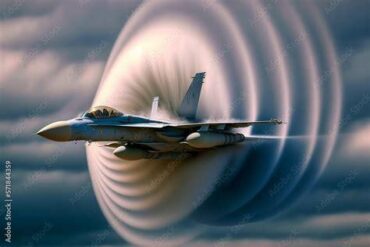
At its core, supersonic flight involves overcoming the resistance created by compressible airflow. As an aircraft nears the speed of sound, air molecules cannot get out of the way fast enough, leading to the formation of shock waves. These shock waves coalesce into a sonic boom, a loud, thunderous crack that follows the aircraft’s path.
To sustain speeds greater than Mach 1, a supersonic aircraft must:
- Generate massive thrust to overcome drag.
- Maintain aerodynamic efficiency to avoid destructive pressure buildup.
- Withstand extreme heat, especially on leading edges.
The solution lies in combining aerodynamic design, powerful propulsion systems, and resilient materials, enabling safe, efficient flight through this demanding regime.
Aerodynamic Design: Shaping the Future of Speed
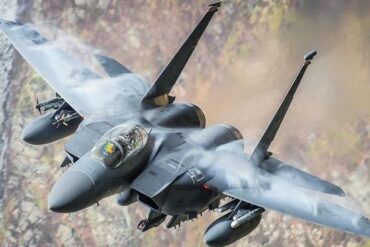
The shape of a supersonic aircraft is as crucial as its engines. Unlike subsonic planes that often feature wide bodies and conventional wing shapes, supersonic jets adopt a sleek, needle-like form:
- Pointed nose cones split air efficiently, minimizing the formation of shock waves.
- Slender fuselages reduce frontal area, lowering parasitic drag.
- Swept-back wings or delta wings help manage lift-to-drag ratio and maintain stability at high speeds.
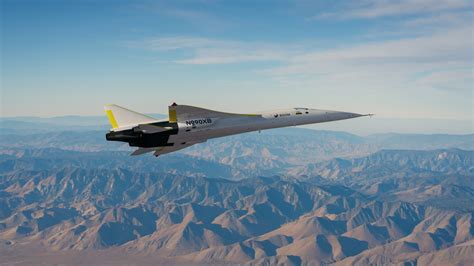
One key element is the area rule, which ensures smooth changes in cross-sectional area from nose to tail. This design principle reduces wave drag—one of the main contributors to aerodynamic resistance at transonic and supersonic speeds.
The Power Behind the Boom: Supersonic Engines
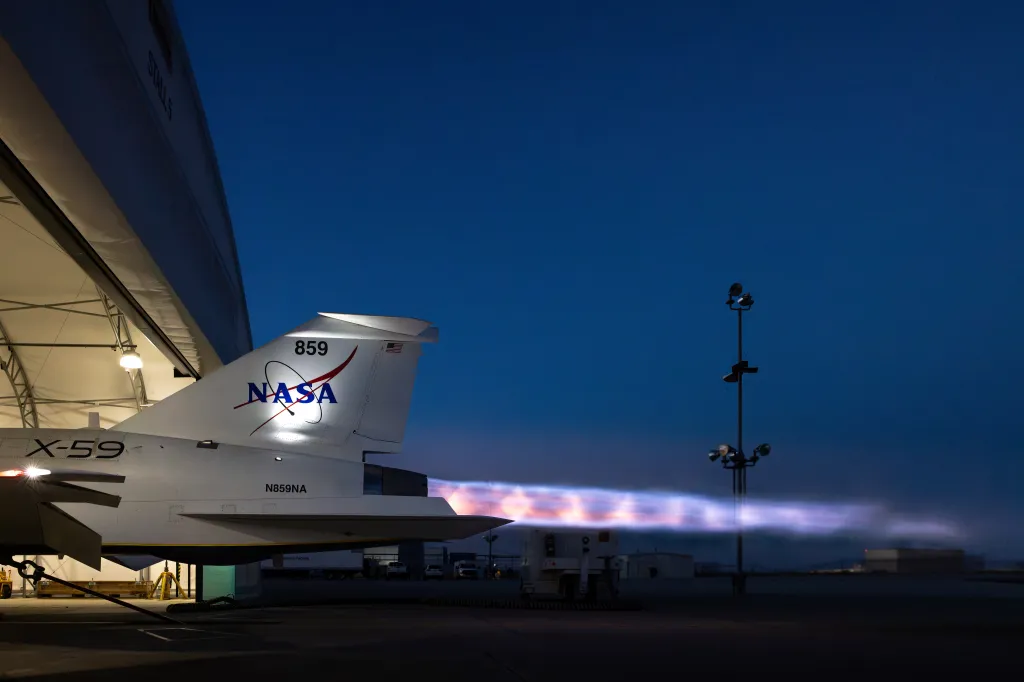
An aircraft’s ability to break the sound barrier hinges on the performance of its engines. Most supersonic aircraft employ turbojet or low-bypass turbofan engines, which prioritize speed over fuel efficiency. However, what truly sets them apart is the use of afterburners.
Afterburners are secondary combustion chambers located behind the main turbines. When engaged:
- Additional fuel is sprayed into the hot exhaust stream.
- This ignites and produces a dramatic increase in thrust.
- The trade-off is significant fuel consumption, used sparingly during takeoff and acceleration.
For example, the Concorde used Rolls-Royce/Snecma Olympus 593 engines that propelled it to Mach 2.04—twice the speed of sound—while incorporating variable engine intakes to regulate airflow at varying altitudes and speeds.
Heat and Pressure: Engineering Against Nature
Flying at supersonic speeds means confronting intense thermal and mechanical stress. Air friction at Mach speeds can heat the aircraft’s skin to over 260°F (127°C) in some areas. Standard aluminum alloys used in subsonic aircraft would soften or deform under such conditions.
To solve this, engineers use heat-resistant materials, such as:
- Titanium alloys: Lightweight, corrosion-resistant, and capable of withstanding high temperatures.
- Ceramic matrix composites: Excellent thermal properties for critical surfaces like leading edges.
- Carbon-carbon materials: Used in military aircraft and spacecraft, offering superb resistance to thermal shock.
The skin of the aircraft must also expand and contract without compromising integrity. On Concorde, engineers allowed for thermal expansion, notably leaving gaps that would close at cruising speed.
The Sonic Boom Dilemma
One of the greatest challenges for supersonic commercial travel is the sonic boom. This disruptive noise, caused by overlapping shock waves, led to widespread restrictions on overland supersonic flight in the 1970s. The Concorde, for instance, was limited to oceanic routes.
Today, engineers are working on low-boom technologies, focusing on modifying:
- Fuselage shape
- Nose cone design
- Engine placement
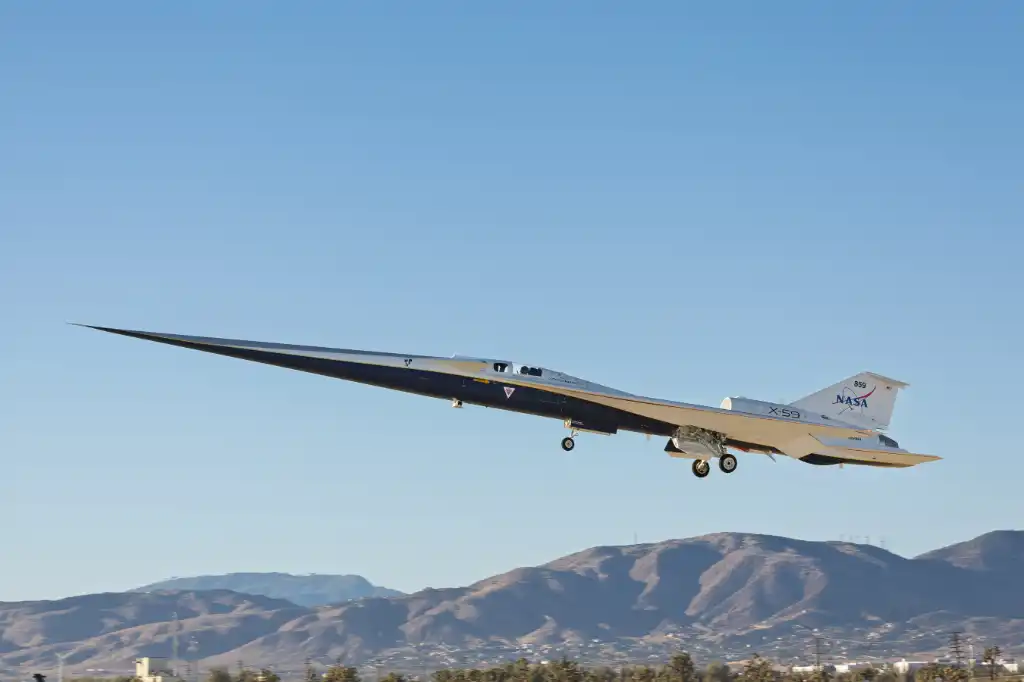
NASA’s X-59 QueSST is a leading prototype in this domain, promising to reduce boom intensity to a soft thump. If successful, this innovation could lift the overland ban and usher in a new era of commercial viability.
Historical Milestones: From Military Marvels to Concorde
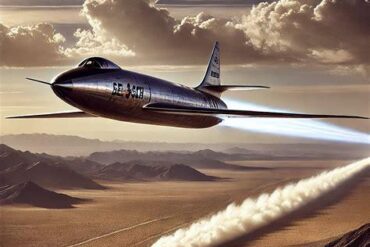
The journey began in 1947, when test pilot Chuck Yeager flew the Bell X-1 beyond Mach 1, becoming the first human to experience controlled supersonic flight. His aircraft, nicknamed Glamorous Glennis, was rocket-powered and dropped from a B-29.
Decades later, commercial aviation attempted its own supersonic dream. The Concorde, developed jointly by British and French aerospace firms, took to the skies in 1973, offering:
- Top speeds of Mach 2.04
- London-New York flights in just 3.5 hours
- A luxury experience with premium pricing
Yet, the Concorde faced limitations: loud booms, high ticket costs, environmental concerns, and low passenger capacity. It was retired in 2003, ending a golden chapter in commercial supersonic travel.
The Future of Supersonic Flight: A New Era
Today, supersonic innovation is roaring back to life. A new generation of aerospace startups and research agencies are working toward making high-speed travel more accessible, efficient, and eco-friendly. Notable players include:
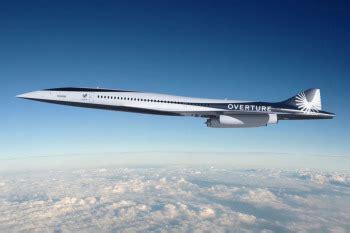
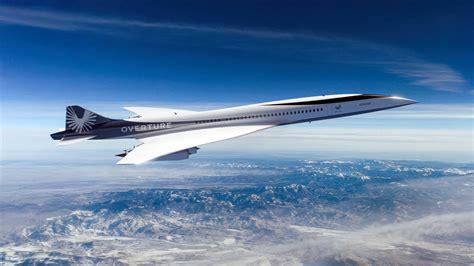
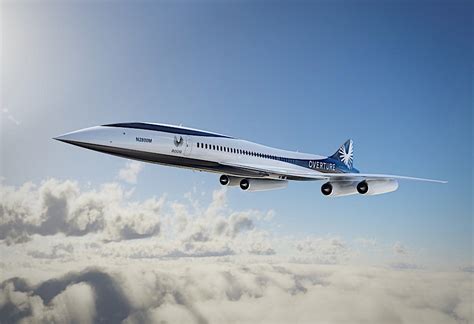
- Boom Supersonic: Developing the Overture, a 65-80 passenger jet aiming for Mach 1.7, with net-zero carbon emissions using sustainable aviation fuel (SAF).
- NASA & Lockheed Martin: Advancing low-boom demonstrators to prove overland supersonic flight is viable.
- Spike Aerospace: Creating the S-512 Quiet Supersonic Jet, a business-class jet designed to eliminate the sonic boom footprint.
Sustainability and regulation remain at the heart of the conversation. With mounting pressure to reduce aviation’s carbon footprint, future supersonic aircraft must marry speed with responsibility, offering reduced emissions and noise without sacrificing performance.
Military Supersonic Technology: Power and Precision
While commercial supersonic ambitions navigate political and environmental hurdles, the military sector continues to push boundaries. Aircraft such as:
- F-22 Raptor
- F-35 Lightning II
- SR-71 Blackbird
…demonstrate what’s possible when cost is not a constraint. These jets employ supercruise (maintaining supersonic speeds without afterburners), advanced radar-evading profiles, and next-gen propulsion systems.
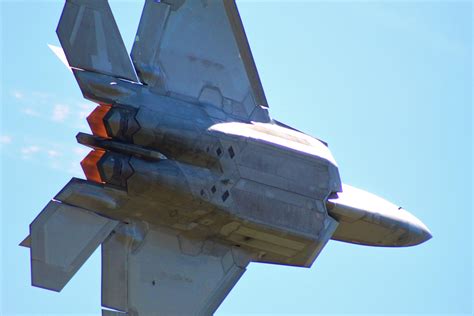
In parallel, hypersonic technologies—vehicles traveling at Mach 5+—are under development, representing the next frontier beyond supersonic. These systems could revolutionize reconnaissance, defense, and even point-to-point space travel.
Conclusion: Chasing the Horizon at Supersonic Speeds
The story of supersonic flight is one of relentless ambition. From the shattering boom over the Mojave Desert in 1947 to the luxurious streak of Concorde over the Atlantic, humanity has proven time and again its willingness to chase the horizon.
As new players blend engineering ingenuity, environmental consciousness, and economic pragmatism, the supersonic dream is being reborn. The question is no longer whether we can fly faster than sound—it’s whether we can do so wisely, affordably, and sustainably.
Supersonic flight is not just a chapter in aviation history. It is its future, racing toward us at the speed of innovation.