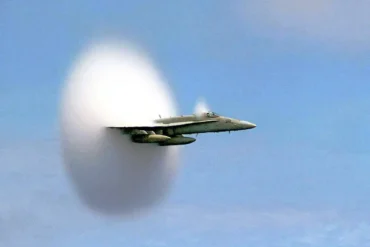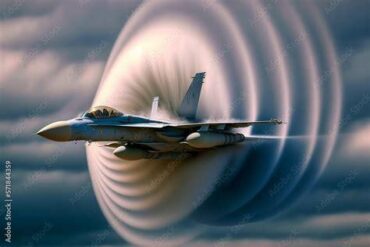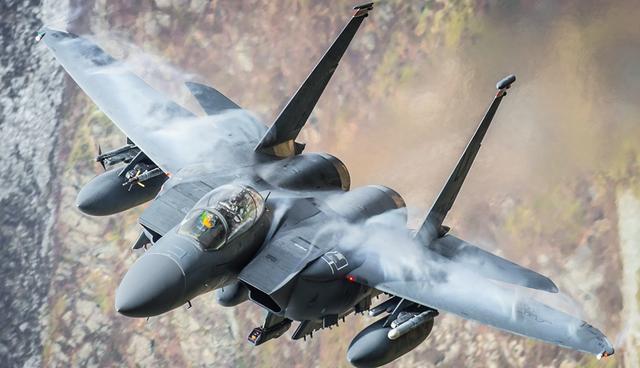
The McDonnell Douglas F-15 Eagle stands as one of the most formidable fighter jets ever built, boasting an unrivaled combination of speed, agility, and combat effectiveness. Designed for air superiority, the F-15 has the unique ability to break the sound barrier effortlessly, reaching speeds beyond Mach 2.5. This capability makes it one of the fastest non-stealth fighter jets still in operation today.
With a history spanning over five decades, the F-15 Eagle has continuously evolved through modern upgrades, ensuring its dominance in supersonic air combat. This article delves into its supersonic performance, aerodynamic design, and real-world applications in military operations.
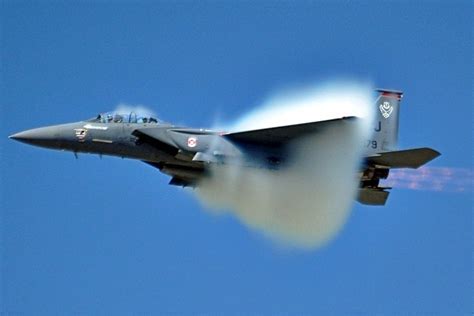
Maximum Speed and Supersonic Performance
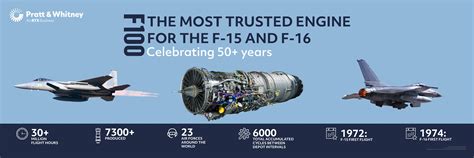
The F-15 Eagle was engineered to excel at supersonic flight, capable of reaching a maximum speed of Mach 2.5 (approximately 1,875 mph or 3,017 km/h at high altitude). This exceptional velocity is achieved through its twin Pratt & Whitney F100-PW-220/229 turbofan engines, which generate a massive thrust-to-weight ratio, allowing the aircraft to accelerate beyond Mach 1 without requiring an afterburner for sustained supersonic travel.
During test flights and operational missions, the F-15 has demonstrated its ability to accelerate through the sound barrier rapidly. In recent Electronic Warfare testing, the F-15E Strike Eagle exceeded Mach 2.0 before launching an experimental hypersonic missile, showcasing its capability to integrate next-generation weaponry while maintaining high-speed performance.
Aerodynamic Design for Supersonic Flight
The structural design of the F-15 Eagle is optimized for high-speed performance, enabling it to operate effectively at supersonic speeds without compromising maneuverability. Several key aerodynamic features contribute to this:
- Swept-Wing Design: The F-15 features a 45-degree leading-edge sweep, reducing drag and allowing for stable supersonic flight.
- Low Wing Loading: By maintaining an optimal lift-to-drag ratio, the aircraft can sustain high speeds while remaining maneuverable.
- Twin Vertical Stabilizers: These provide enhanced stability and directional control when flying at transonic and supersonic speeds.
- All-Moving Horizontal Tail Surfaces: This feature improves pitch control, enabling the aircraft to execute sharp turns even after exceeding the sound barrier.
These aerodynamic characteristics allow the F-15 to maintain control and stability, ensuring that it remains superior in dogfights and high-speed interception missions.
Operational Use of Supersonic Speed in Combat
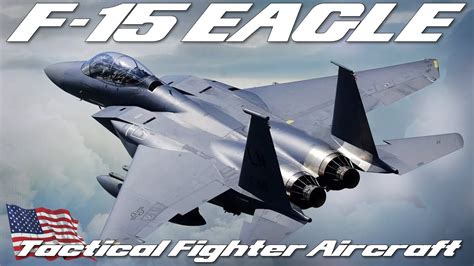
The F-15 Eagle has long been revered for its ability to dominate air-to-air engagements, using its supersonic speed to gain tactical advantages over adversaries. During the Gulf War, the aircraft’s speed was a critical factor in securing an astonishing 104:0 kill-to-loss ratio. Pilots leveraged its ability to outrun and outmaneuver enemy MiG-29s and MiG-23s, ensuring mission success with minimal risk.
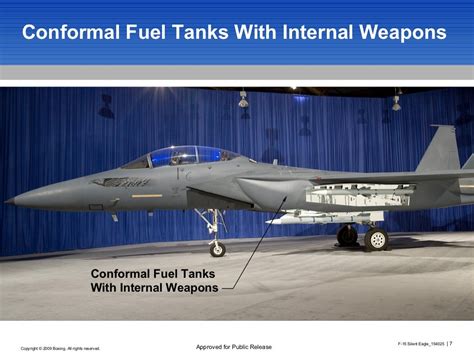
Furthermore, the integration of Conformal Fuel Tanks (CFTs) enables the F-15 to sustain high-speed, long-range flights without excessive drag penalties. These fuel tanks enhance the aircraft’s ability to perform prolonged combat air patrols (CAPs), allowing it to engage enemy aircraft at extended ranges without refueling.
Modern Upgrades Enhancing Supersonic Capabilities
Despite its decades-long service, the F-15 remains relevant due to continuous technological advancements. The latest F-15EX variant, designed as an evolution of the original platform, introduces several improvements:
- Upgraded AN/APG-82(V)1 AESA Radar: Allows superior target detection and tracking, even at extreme speeds.
- Advanced Pratt & Whitney F100-PW-229 Engines: Delivers increased thrust while improving fuel efficiency.
- EPAWSS Electronic Warfare Suite: Enhances survivability by detecting and countering enemy radar and missile threats in contested airspace.
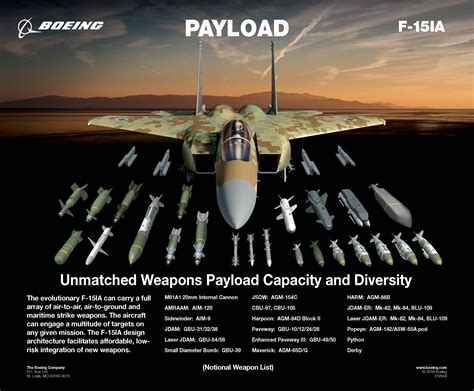
- Expanded Weapons Payload: Can carry up to 16 air-to-air missiles, surpassing the capacity of most modern fighters.
These advancements ensure that the F-15 remains a lethal supersonic fighter despite the rise of fifth-generation stealth aircraft.
Comparison with Other Supersonic Fighters
The F-15’s speed continues to rival or exceed many modern fighter jets, even in the age of stealth warfare. A comparison of maximum speeds highlights its remarkable performance:
- F-15 Eagle: Mach 2.5 (1,875 mph / 3,017 km/h)
- F-16 Fighting Falcon: Mach 2.0 (1,500 mph / 2,414 km/h)
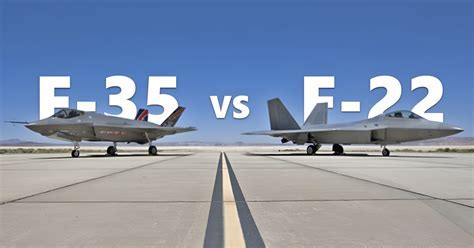
- F-22 Raptor: Mach 2.25 (1,726 mph / 2,778 km/h) with supercruise ability
- Su-35 Flanker-E: Mach 2.25 (1,726 mph / 2,778 km/h)
While stealth aircraft such as the F-22 and F-35 prioritize low-observability and supercruise, the F-15 still outperforms them in raw speed, making it a valuable asset in high-speed interception roles.
Conclusion
The F-15 Eagle remains an engineering marvel, capable of breaking the sound barrier with ease and achieving speeds that surpass many of its contemporaries. With its proven combat record, aerodynamic efficiency, and continuous modernization, it continues to be a dominant force in aerial warfare. Even after 50 years in service, the F-15 proves that raw speed, power, and adaptability can ensure an aircraft’s relevance in modern military operations.
FAQ
1. How does the F-15 break the sound barrier?
The F-15 breaks the sound barrier by utilizing its twin turbofan engines, which generate enough thrust to exceed Mach 1. The aircraft’s aerodynamic design minimizes drag, allowing it to smoothly transition from subsonic to supersonic speeds.
2. What makes the F-15 faster than most modern fighter jets?
Unlike stealth aircraft that prioritize low-observability, the F-15 was designed for pure speed and air superiority. Its powerful engines, swept-wing design, and lightweight structure contribute to its Mach 2.5 maximum speed, making it one of the fastest fighter jets still in operation.
3. Can the F-15 sustain supersonic flight for long durations?
Yes, especially with the use of Conformal Fuel Tanks (CFTs), which allow the aircraft to maintain high speeds without excessive drag. However, prolonged supersonic flight consumes fuel rapidly, requiring strategic refueling for extended missions.