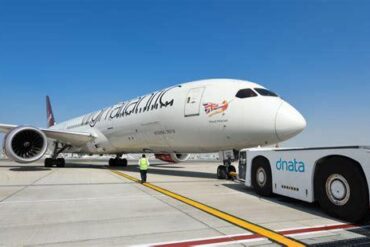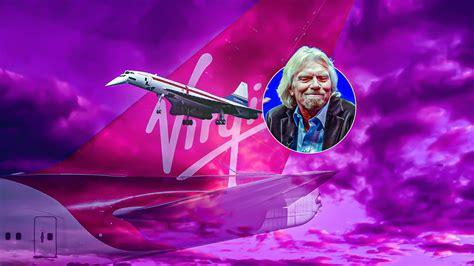
The story of Virgin Atlantic Concorde is not really about an airplane. It is about obsession, ambition, national pride, and a stubborn refusal to accept that some eras are meant to end. For Sir Richard Branson, Concorde was never just a retired aircraft parked in museums. It was a symbol of what commercial aviation once dared to be—and what it might still become if audacity could overpower bureaucracy, economics, and physics.
Concorde’s retirement in 2003 left a vacuum in the aviation world. Overnight, the age of routine supersonic passenger travel vanished, replaced by incremental efficiency gains and quieter engines. Branson, a man whose brand thrives on disruption, saw that vacuum not as closure, but as a challenge. His pursuit of Concorde—and later its spiritual successor—became one of the most romantic and controversial episodes in modern aviation history.
The tale stretches from smoky government offices in London to futuristic design studios in Colorado, from the roar of Olympus engines over the Atlantic to the quiet stillness of museum hangars. It is a saga where idealism collided with reality, and where the dream of outrunning the sun refused to die easily.
Concorde: The Supersonic Miracle That Arrived Too Early
Concorde entered commercial service in 1976 as a technological marvel born of Anglo-French cooperation. Designed by Sud Aviation (later Aérospatiale) and the British Aircraft Corporation, it was the first—and so far only—successful supersonic passenger jet. Flying at over Mach 2, Concorde cut transatlantic travel times in half, carrying passengers from London or Paris to New York in around three and a half hours.
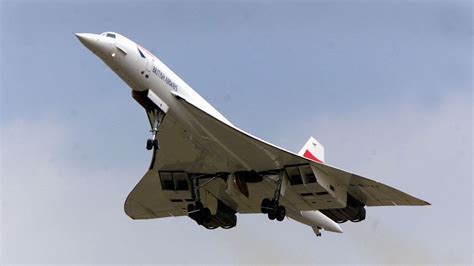
Its technical achievements bordered on science fiction. Concorde cruised at 60,000 feet, above weather systems and most commercial traffic. Its sleek delta wing, drooping nose, and four Rolls-Royce/Snecma Olympus 593 engines defined an era when speed was the ultimate luxury. Yet from the start, Concorde was economically fragile. Predictions of hundreds of aircraft sold to global airlines collapsed under spiraling development costs, environmental opposition, and sonic boom restrictions.
Only 20 Concordes were ever built, including prototypes. British Airways and Air France became its primary custodians, while smaller operators like Braniff International Airways and a brief Singapore Airlines partnership dipped their toes into supersonic operations. Profitability was elusive until British Airways repositioned Concorde as an ultra-premium experience, transforming speed into exclusivity.
Concorde survived not because it made sense on paper, but because it represented something aviation had lost: boldness without compromise.
Why Concorde Ultimately Fell Silent
The reasons Concorde stopped flying were brutally pragmatic. Its operating costs were enormous, fuel consumption staggering, and maintenance increasingly complex as the fleet aged. Each flight burned thousands of gallons of fuel, and every spare part became harder to source.
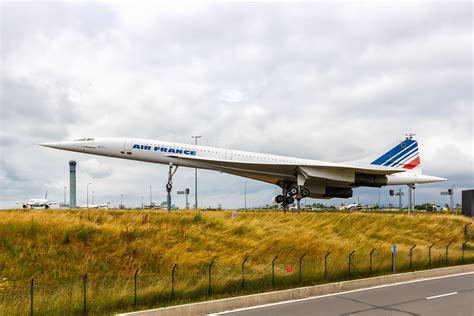
The fatal crash of Air France Flight 4590 in July 2000 shattered public confidence. A strip of metal left on the runway by a Continental Airlines DC-10 led to a catastrophic chain of events, killing 113 people. Although Concorde eventually returned to service after safety modifications, its aura of invincibility was gone. Passenger numbers declined sharply, and insurers grew wary.
Then came September 11, 2001. Global air travel demand collapsed, premium cabins emptied, and the economics of supersonic travel became untenable. Environmental pressure added another nail to the coffin, with Concorde’s noise and emissions increasingly out of step with modern expectations. By November 2003, the final flights had landed, and the Concorde era officially ended.
For most of the aviation world, that was the end of the story. For Richard Branson, it was merely the opening chapter.
Virgin Atlantic’s Bid to Buy Concorde: A One-Pound Provocation
Within a day of British Airways and Air France announcing Concorde’s retirement, Virgin Atlantic made headlines. Branson offered £1 per aircraft, matching the symbolic price British Airways had paid for them decades earlier. The offer was widely dismissed as a publicity stunt, but it was only the beginning.
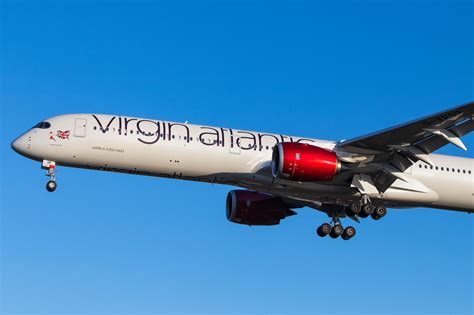
As rejection followed rejection, Branson escalated. The offer rose to £1 million, then £5 million per aircraft. Virgin’s plan was audacious but structured: operate five airworthy Concordes on routes such as London–New York, London–Dubai, and London–Barbados, while using other airframes for spares. Even if profitability proved elusive, Virgin proposed establishing a charitable heritage trust to keep at least two Concordes flying.
British Airways refused. The aircraft, they insisted, would never fly again under any banner. Virgin Group condemned the decision as “industrial vandalism”, arguing that aircraft built with public funds deserved a living legacy. The dispute quickly escalated from commercial disagreement to political theater.
A Failed Appeal to Government Power
Branson’s next move was to knock on the doors of government. He argued that the privatization of British Airways in the 1980s included clauses requiring Concorde to remain available to other operators if BA abandoned it. He further cited the 1962 Anglo-French treaty that had birthed Concorde, claiming Airbus had a responsibility to support the fleet.
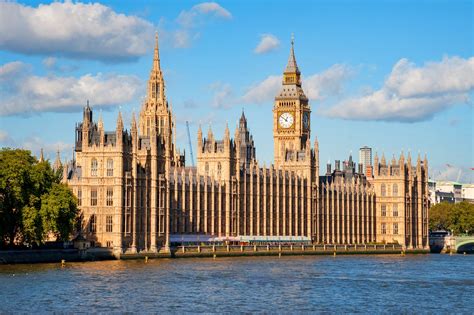
The response was unequivocal. Government officials found no such clauses. Airbus declined any obligation beyond Concorde’s retirement. Trade and Industry Secretary Patricia Hewitt made it clear that the government would not intervene. Concorde was sold to museums and private collectors, its fate sealed by paperwork rather than passion.
For Branson, it was a stinging defeat. The aircraft he believed could inspire a new generation of aviation enthusiasts was now frozen in time, preserved but silent.
From Concorde to Boom: Reinventing Supersonic Flight
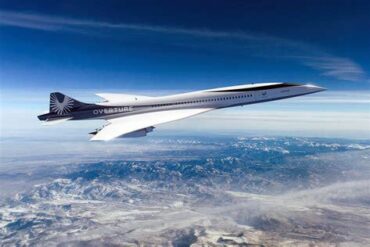
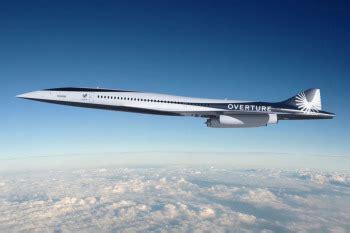
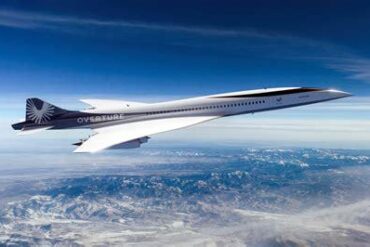
Unable to resurrect the original, Branson pivoted toward the future. In 2016, Virgin Galactic partnered with Boom Supersonic, a Colorado-based startup aiming to build a next-generation supersonic airliner. The project promised to succeed where Concorde failed by leveraging modern materials, aerodynamics, and engine efficiency.
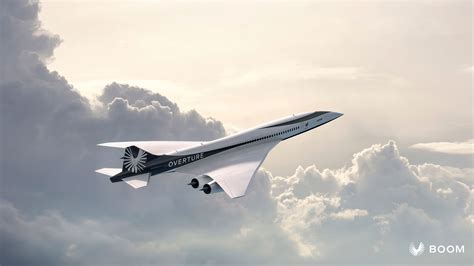
The aircraft, later named Overture, was designed to fly at Mach 1.7, slightly slower than Concorde but dramatically more efficient. The goal was a London–New York journey in 3.5 hours at a price comparable to a business-class ticket. Virgin Galactic committed to supporting engineering, manufacturing, and flight testing, while reserving options for the first aircraft.
Boom’s leadership argued that Concorde was constrained by the technology of its time. Composite materials, digital flight controls, and improved aerodynamics could finally make affordable supersonic travel viable. Investors responded with enthusiasm, injecting hundreds of millions of dollars into the project.
For Branson, Boom represented redemption: a chance to revive the spirit of Concorde without its fatal flaws.
Ambition Meets Reality Once Again
Despite early optimism, reality intruded. Development timelines slipped, costs ballooned, and regulatory hurdles loomed large. By 2020, the partnership between Boom and Virgin Galactic quietly ended by mutual consent. The dream of a 2023 supersonic return—symbolically aligned with the 20th anniversary of Concorde’s retirement—evaporated.
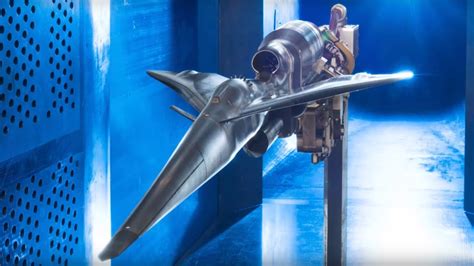
Boom Supersonic pressed on independently, branding Overture as the “New Concorde” and targeting a 2030 entry into service. Yet the challenges remain formidable. Noise regulations, sustainable fuel requirements, and uncertain airline demand cast long shadows over the project. Even Boom’s reduced passenger capacity of 45–50 seats raises questions about long-term profitability.
Virgin Group, for its part, maintains a watching brief. The company continues to express interest in high-speed, sustainable air travel, but without the urgency that once defined Branson’s Concorde crusade.
The Enduring Legacy of Branson’s Supersonic Obsession
Richard Branson never succeeded in bringing Concorde back to the skies. He never painted one in Virgin red, never served champagne at Mach 2, never proved his critics wrong. Yet his pursuit mattered. It kept the conversation alive at a time when aviation risked becoming complacent.
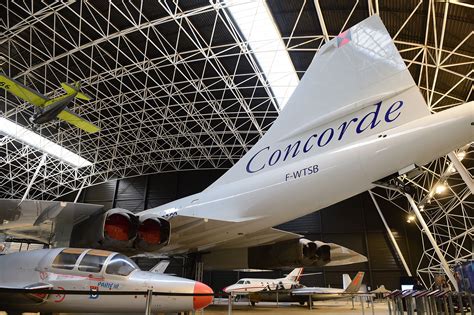
The Virgin Atlantic Concorde saga revealed a fundamental truth about progress: innovation often depends on people willing to fight unwinnable battles. Concorde itself was born from such defiance, and Branson’s attempts to revive it echoed that same rebellious DNA. While the original aircraft will never fly again, its influence persists in every serious discussion about the future of supersonic travel.
In the end, Branson’s quest was less about nostalgia and more about possibility. He refused to accept that humanity’s fastest commercial achievement should remain locked behind velvet ropes. Whether Boom or another company eventually succeeds, the path forward traces back to Concorde—and to the billionaire who refused to let its story end quietly.
Supersonic flight remains unfinished business. And somewhere between museum silence and future roar, Richard Branson’s quixotic dream still lingers in the thin air at sixty thousand feet.