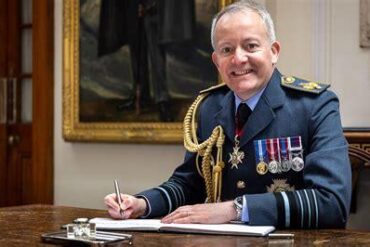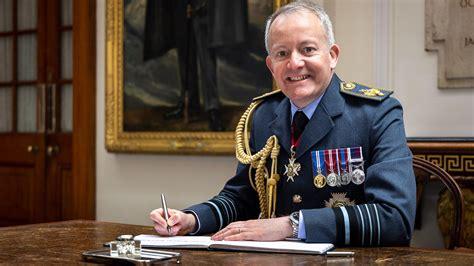
Air Chief Marshal Sir Richard Knighton is expected to be appointed as the next Chief of the Defence Staff, a move that would place him at the helm of the UK’s armed forces during a time of escalating global threats and ambitious defence restructuring. According to multiple sources, including BBC reports, his selection to succeed Admiral Sir Tony Radakin, who has held the post since November 2021, marks a pivotal shift in Britain’s strategic military leadership.
A Technocrat Ascends: Knighton’s Path Through the Ranks
Sir Richard Knighton’s rise is emblematic of a modernisation drive within UK defence circles. With a career that began in 1989 when he joined the Royal Air Force as a university cadet, Knighton brings over three decades of experience to the role. His engineering background and expertise in military systems mark a notable shift toward capability-focused leadership, suited to an era where technological superiority and logistical readiness are paramount.
Most recently serving as the Chief of the Air Staff since June 2023, Knighton was already considered a frontrunner for higher leadership. His previous appointment as Deputy Chief of the Defence Staff (Financial and Military Capability) from 2019 to 2022 gave him a commanding perspective on the UK’s military budget, procurement, and long-term planning.
Strategic Realignment Amid Global Tensions
Knighton’s impending appointment comes as the UK government accelerates its plans to boost defence expenditure, aiming to increase spending from 2.3% of GDP to 2.5% by 2027, with an aspirational target of 3% by 2034. This realignment is not merely fiscal—it is strategic. The UK is repositioning itself against mounting threats posed by Russia’s aggression in Ukraine, rising tensions in the Indo-Pacific with China, and the resurgence of asymmetric threats including cyber warfare and unmanned aerial systems.
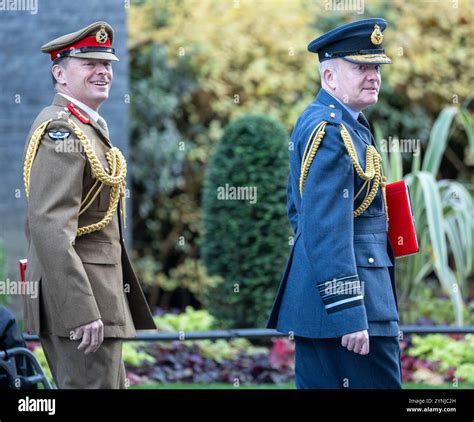
During a recent visit to a defence contractor in Bedfordshire, Knighton was seen alongside Prime Minister Sir Keir Starmer, further underscoring the confidence political leadership places in his capabilities. The Defence Secretary, John Healey, reinforced this direction by unveiling a ten-year military strategy that emphasizes “war-fighting readiness“—a term not used lightly in defence circles. The UK is now aiming for rapid mobilisation capacity, forward deterrence, and global projection.
Transforming the British Armed Forces
Assuming the role of Chief of the Defence Staff, Sir Richard Knighton will oversee sweeping reforms designed to integrate and optimise the capabilities of the Royal Navy, British Army, and Royal Air Force. These reforms aim to achieve force interoperability, agile logistics, and technological superiority across all domains—land, sea, air, cyber, and space.
Knighton’s leadership style is widely regarded as collaborative but data-driven. He is known for his detailed knowledge of the military industrial base and a keen interest in aerospace innovation, making him particularly well suited to a military increasingly reliant on autonomous systems, artificial intelligence, and space-based assets.
Knighton’s Vision: Capability Over Tradition
One of the defining elements of Knighton’s career has been his relentless focus on operational capability rather than ceremonial tradition. This emphasis could signal a shift in how the Ministry of Defence evaluates its assets—not simply by their historic legacy or symbolic importance, but by their real-time strategic effectiveness.
His previous tenure as Deputy Chief of Defence Staff for Capability saw him streamline several procurement pipelines and reallocate resources to key operational areas, including combat air systems, digital infrastructure, and expeditionary logistics. Sources close to the Ministry suggest that Knighton is particularly keen to advance the Future Combat Air System (FCAS) and strengthen the UK’s position in multi-domain integration, a central pillar of NATO’s evolving doctrine.
A Leadership Change with Global Ramifications
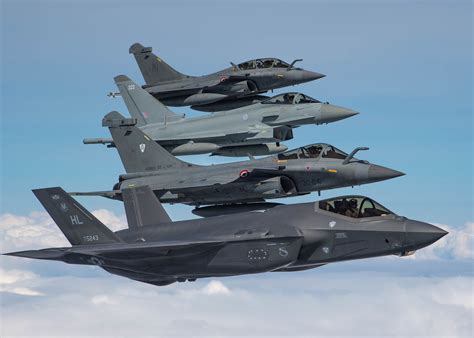
The handover from Admiral Radakin to Knighton will not be a ceremonial formality—it marks a substantive redirection of the UK’s global military posture. Under Radakin, emphasis was placed on maritime capability and global naval presence, particularly in the Indo-Pacific. Knighton is likely to broaden that focus to incorporate a more balanced tri-service strategy, with heavy investments in air dominance, space surveillance, and cyber warfare resilience.
This is especially critical as NATO faces an evolving set of challenges. With Russia continuing to wage a war of attrition in Eastern Europe, and China’s ambitions extending beyond regional power projection to potential global influence, Knighton’s tenure will be pivotal in shaping UK-led coalition strategies and deterrence architectures.
Civil-Military Dynamics and Public Confidence
The new Chief of the Defence Staff will also play a crucial role in maintaining public trust in the armed forces. This includes managing sensitive issues such as military conduct, institutional transparency, and the mental health crisis among veterans. Knighton’s analytical, low-profile public persona contrasts with Radakin’s more prominent media presence, which may reflect a deliberate shift toward substance over style in defence communication.
In Parliament, support for Knighton’s appointment appears bipartisan. Opposition MPs have signalled cautious optimism, highlighting Knighton’s track record in delivering value-driven defence capability and his methodical approach to complex reforms.
Royal Approval and the Formal Process
Although unofficial sources strongly suggest that Knighton’s appointment is imminent, formal confirmation is pending Royal Assent, a process that typically involves consultation with the Prime Minister, Defence Secretary, and Buckingham Palace. The Ministry of Defence has issued a standard statement referring to the news as “speculation,” while maintaining that the selection process is “ongoing.”
It is expected that the official announcement will be made within days, setting the stage for a leadership transition that could redefine the operational and strategic framework of the UK’s defence apparatus for the next decade.
A Decisive Moment for Britain’s Military Future
In many ways, the appointment of Sir Richard Knighton as Chief of the Defence Staff comes at a historical inflection point. The world order is undergoing seismic shifts, and the UK’s role within NATO, the Five Eyes intelligence alliance, and broader international coalitions will require nuanced, technologically competent, and forward-thinking leadership.
If confirmed, Knighton will become the first RAF officer to lead the UK’s armed forces since Air Chief Marshal Sir Jock Stirrup held the role from 2006 to 2010. This return of air force leadership to the top military job carries symbolic weight, potentially reflecting the growing importance of aerospace power in 21st-century warfare.
His tenure will be measured not only by the success of strategic reforms and operational readiness but also by the UK’s ability to project stability, deter adversaries, and uphold international norms in an increasingly fragmented global landscape.
The coming weeks will reveal the final contours of this leadership transition, but one thing is clear: Sir Richard Knighton’s appointment signals a new chapter in British defence—one grounded in capability, foresight, and technological acumen.