The proposed “Blue Sky” partnership between United Airlines and JetBlue is drawing intense scrutiny, with U.S. Senator Richard Blumenthal raising alarms over its potential to harm competition and reduce consumer choice in one of the most economically vital air travel corridors in the country: the Northeast. While the collaboration promises strategic growth opportunities for both airlines, the backlash from federal regulators and political leaders signals yet another regulatory hurdle for JetBlue in its ongoing efforts to redefine its market position.
The Blue Sky Partnership: Strategic Opportunity or Competitive Threat?
Announced as a strategic collaboration between two of the nation’s most prominent carriers, the Blue Sky initiative seeks to create reciprocal loyalty program benefits, coordinated flight schedules, and shared access to airport slots. The biggest headline is United Airlines’ return to New York’s JFK Airport, a move made possible through the partnership with JetBlue, which holds valuable slot access at JFK. Simultaneously, JetBlue stands to gain from more favorable flight timing slots at United’s Newark hub, giving the carrier enhanced visibility and operational leverage in the tri-state area.
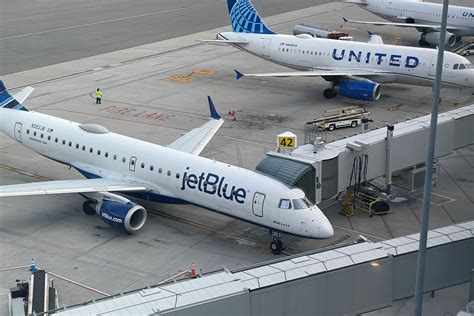
However, this arrangement is raising eyebrows due to its clear focus on a region already fraught with congestion and limited flight options. The partnership, while mutually beneficial, may result in a diminished number of available seats from other competitors or even drive up airfare due to reduced pressure to keep prices competitive.
Senator Richard Blumenthal Raises Concerns About Market Consolidation
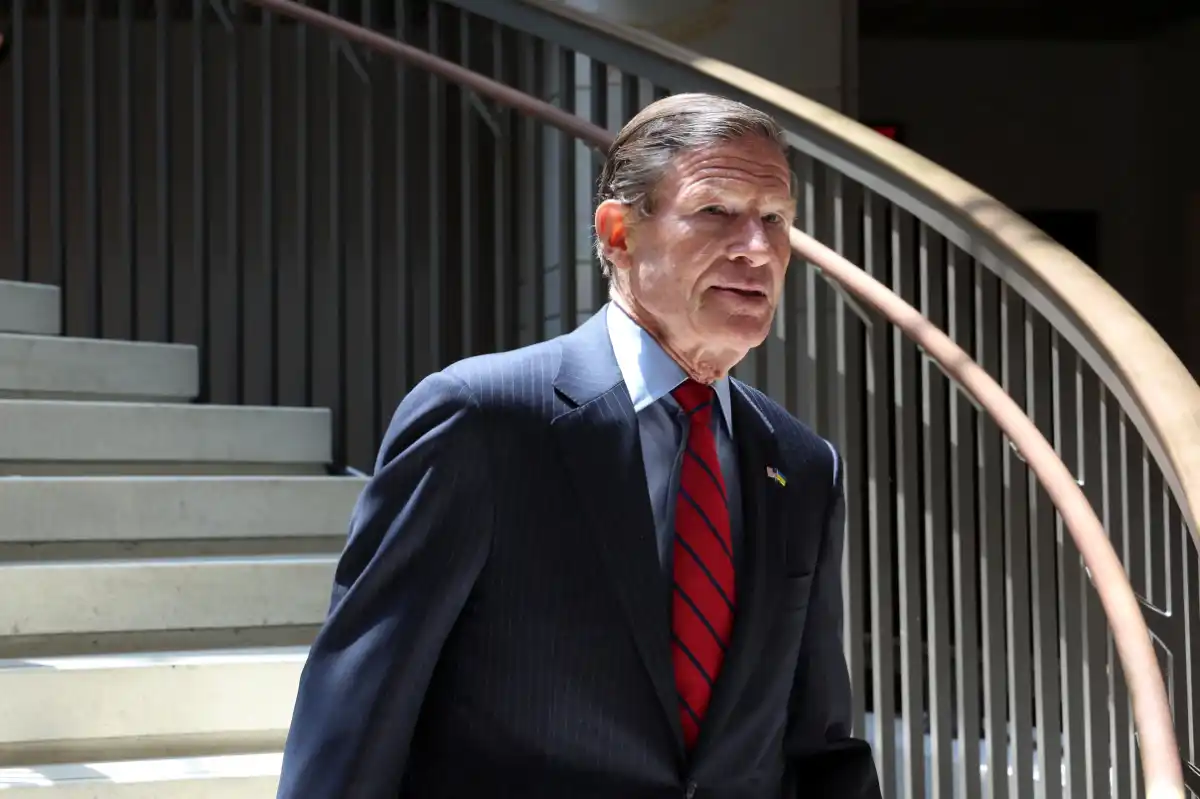
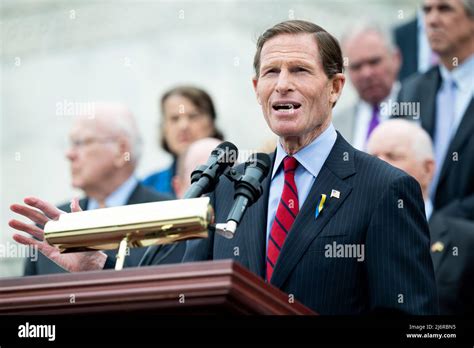
Senator Richard Blumenthal (D-CT), a long-time advocate for antitrust enforcement in aviation and consumer rights, issued a formal letter condemning the Blue Sky deal. Citing potential price hikes and restricted flight choices, Blumenthal emphasized the risk of a repeat scenario reminiscent of JetBlue’s earlier Northeast Alliance (NEA) with American Airlines.
In his letter, Blumenthal stated:
“JetBlue’s previous attempts to consolidate through partnerships have already been deemed unlawful. This new deal brings those same concerns roaring back.”
The senator also called on the executives of both United and JetBlue to disclose internal records about the nature of the deal, including future plans that might indicate market coordination or capacity control strategies. His demand aligns with growing skepticism from the Department of Justice (DOJ), which has increased scrutiny on airline consolidations following a string of court victories that have halted or reversed major mergers and alliances.
JetBlue’s Troubled History With Airline Partnerships
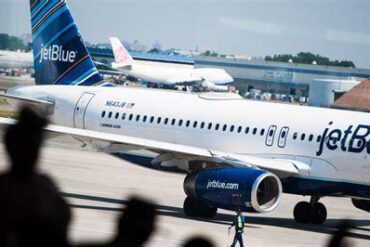
This latest backlash comes at a precarious moment for JetBlue. The airline has been searching for a sustainable business model in a post-COVID landscape that increasingly favors premium cabin services, international connectivity, and reliable long-haul schedules—areas where JetBlue has historically struggled to compete. Its failed alliance with American Airlines was declared illegal by a federal judge who sided with the DOJ’s assertion that the arrangement reduced competition in key markets.
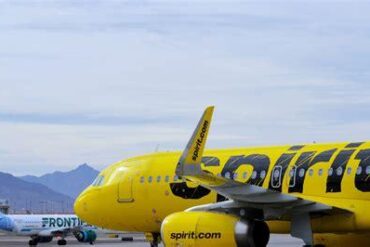
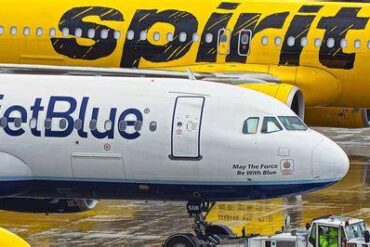
Adding to its regulatory woes, JetBlue’s attempted acquisition of Spirit Airlines—a strategic effort to solidify its domestic footprint—was struck down by the DOJ, citing anti-competitive risks. That decision placed JetBlue in a vulnerable position, having neither the cost advantages of ultra-low-cost carriers nor the full-service dominance of legacy giants like Delta or American. Now, with the Blue Sky deal on the table, JetBlue is once again under the microscope.
United Airlines Eyes JFK Return Amid Slot Constraints
For United Airlines, the Blue Sky partnership represents an important tactical reentry into JFK, an airport it exited several years ago due to insufficient slot access. The airline’s leadership has publicly acknowledged that its 2015 withdrawal from JFK was a strategic mistake—one it attempted to reverse post-pandemic, only to be stymied by slot availability constraints.
With JetBlue controlling a significant presence at JFK, United now sees an opportunity to launch a competitive response to Delta Air Lines, which dominates the airport’s transatlantic and domestic offerings. By aligning with JetBlue, United could unlock the slot pairings needed to run a competitive schedule, increasing both frequency and destination variety.
However, even United’s gains are seen as a double-edged sword. Critics argue that slot trading, especially in congested urban airports like JFK and Newark, can result in barriers to entry for smaller or newer airlines, effectively freezing out potential competitors and further concentrating market power in the hands of the few.
Consumer Implications: Fewer Options, Higher Prices?
The core of Senator Blumenthal’s opposition hinges on consumer harm. Should the partnership succeed without modifications or regulatory oversight, it could reduce independent competition in the New York travel corridor—particularly on routes like New York to Boston, New York to Washington D.C., and other high-density short hauls that were formerly competitive.
Critics argue that the code-sharing arrangements, combined with synchronized scheduling, may lead to fare coordination and a decrease in fare wars that previously benefited customers. While Blue Sky is not a merger in the legal sense, it potentially blurs the lines of operational independence, a factor that courts and regulators increasingly scrutinize.
Blumenthal emphasized:
“We must learn from the past. We cannot allow these carriers to form pseudo-monopolies that harm working families who rely on affordable air travel.”
JetBlue’s Strategic Pivot: A Carrier at a Crossroads
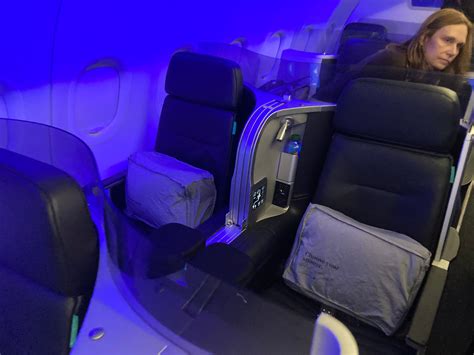
JetBlue’s leadership views the Blue Sky alliance as a necessary evolution. In recent years, the airline has battled rising labor costs, infrastructure limitations, and a shifting demand landscape that prioritizes long-haul and business-class travel—segments where JetBlue is only beginning to gain traction through offerings like its Mint premium cabin.
After the DOJ blocked its merger with Spirit Airlines, JetBlue has been seeking ways to maintain relevance in a consolidating industry. The partnership with United, despite its risks, offers the airline access to a larger global network, improved slot optimization, and potential gains in brand prestige.
Yet the stakes are high. Any further regulatory defeat could not only delay the partnership but also erode investor confidence and dampen consumer perception of JetBlue’s long-term viability.
Regulatory and Legal Outlook: What Comes Next?
As of now, the Blue Sky partnership has not received full regulatory approval. The Department of Transportation (DOT) and Department of Justice (DOJ) are expected to review the agreement’s compliance with antitrust laws. The DOT, in particular, may analyze the deal’s impact on airport slot allocations, while the DOJ will assess whether the partnership leads to horizontal coordination in key competitive markets.
There is also the possibility of state-level investigations, especially from attorney generals in states like New York, Massachusetts, and Connecticut, who have previously voiced concerns about airline consolidation. The outcome of this scrutiny could significantly delay implementation—or force the carriers to renegotiate terms or divest certain assets.
Conclusion: A Defining Moment for Airline Competition Policy
The Blue Sky deal encapsulates a growing tension in U.S. aviation policy: how to balance operational efficiency and network expansion with the need for competitive diversity and consumer protection. United and JetBlue both stand to gain tactically from this alignment, but the partnership also risks becoming a case study in regulatory overreach or market capture, depending on its outcome.
Senator Blumenthal’s intervention marks more than a political soundbite—it underscores the increasing politicization of corporate strategy in aviation, a trend likely to continue as demand recovers, consolidation intensifies, and public scrutiny increases. As the Blue Sky proposal moves forward, all eyes will be on federal regulators and how they choose to interpret and enforce the spirit of competition in the modern airline industry.