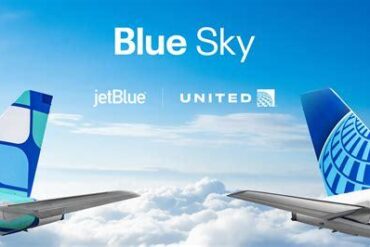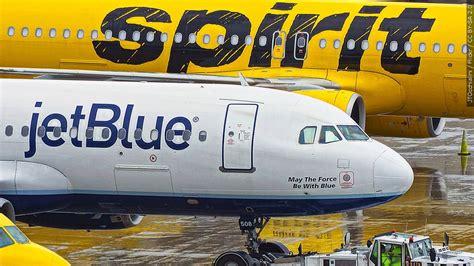
Spirit Airlines has launched an assertive campaign urging the U.S. Department of Transportation (DOT) to block the proposed partnership between JetBlue Airways and United Airlines, warning that the deal poses long-term risks to competition, affordability, and accessibility in the U.S. aviation market. This latest move signals escalating tensions between major legacy carriers and low-cost airlines over control of critical market infrastructure, especially in the congested Northeast corridor.
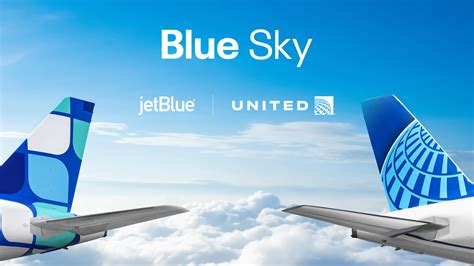
The Core of the Controversy: Strategic Slot Exchange in New York
At the heart of the proposed partnership lies a strategic exchange of flight slots—the limited and highly coveted permissions that dictate when and where airlines can take off and land. Under the agreement:
- JetBlue would grant United Airlines access to seven round-trip slots per day at John F. Kennedy International Airport (JFK) starting in 2027.
- The two carriers would also exchange eight slots at Newark Liberty International Airport (EWR).
- Additionally, United plans to transfer a portion of its holiday and travel service operations to JetBlue’s Paisley platform, expanding JetBlue’s presence in the high-margin travel services segment.
Spirit Airlines argues that this arrangement gives two of the largest airlines in the U.S. undue influence over critical East Coast routes, reducing opportunities for smaller carriers to compete in these densely trafficked markets.
Spirit’s Core Argument: Consumer Harm Through Reduced Competition
Spirit Airlines has taken a principled stand, asserting that the partnership could seriously damage the low-cost carrier ecosystem, reducing both consumer choice and price competitiveness. In a formal filing with the DOT, Spirit detailed several primary concerns:
- Diminished slot availability at high-demand airports would choke out smaller airlines.
- Increased market concentration among legacy carriers would drive up fares.
- Barriers to entry for new or expanding low-cost carriers would rise.
- Long-term market consolidation could lead to a monopoly-like structure in critical U.S. corridors.
The airline emphasized that partnerships like this one could create a precedent that allows giant airlines to entrench their dominance, leaving budget travelers with fewer affordable flight options.
JetBlue’s Financial Pressures: Motivation Behind the Alliance
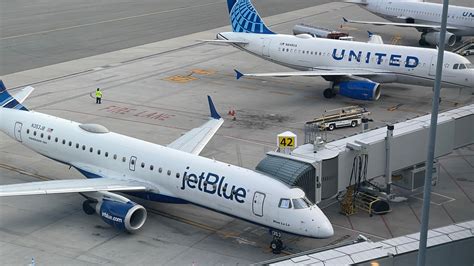
The proposal also comes at a precarious time for JetBlue, which has been battling prolonged financial headwinds. Despite ranking as the sixth-largest U.S. airline, JetBlue has reported only two profitable quarters out of the last nine, largely due to:
- Lingering effects of the COVID-19 pandemic
- Operational disruptions and rising costs
- Challenges in integrating past ventures, including the failed Northeast Alliance with American Airlines
JetBlue views the United partnership as a strategic pathway to stabilize revenues, leverage broader infrastructure, and build back market share. However, Spirit maintains that such tactics must not come at the expense of industry competition and fair market access.
Regulatory Context: Echoes of JetBlue’s Failed Alliance with American Airlines
The backdrop to this situation includes the collapse of the Northeast Alliance (NEA) between JetBlue and American Airlines, which was dismantled by a federal judge in 2023 for violating antitrust principles. That deal, similarly focused on slot-sharing and coordinated scheduling, was found likely to harm competition in the Northeastern U.S.
Spirit has warned that the proposed JetBlue-United alliance mirrors many of the anti-competitive features of the defunct NEA, potentially threatening markets that are already under pressure from reduced carrier diversity. If approved, the current deal could signal a regulatory green light for mega-carrier alliances, prompting a wave of similar partnerships.
Market Impact: Slot Allocation and the Death of Competition
Airport slots, especially at JFK and Newark, are among the most limited aviation resources in the country. Spirit contends that the deal would:
- Allow United and JetBlue to monopolize premium departure and arrival windows
- Squeeze out newer entrants from obtaining competitive times or gates
- Lead to higher average ticket prices, particularly during holidays and peak travel seasons
For passengers, this means less pricing power, fewer route options, and in many cases, an increased need to connect through major hubs rather than enjoying point-to-point efficiency. Spirit also noted that the deal would undermine efforts to expand affordable international routes, as dominant carriers typically prioritize business-heavy or long-haul segments.
Spirit’s Broader Warning: A Dangerous Precedent in the Making
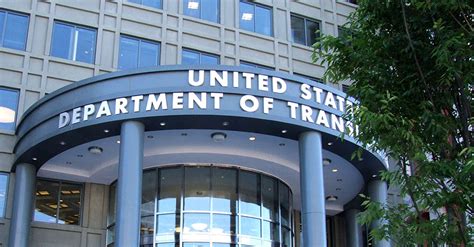
In its petition to the DOT, Spirit argued that the United-JetBlue deal fits into a larger trend of market consolidation and competitive erosion. Over the past decade, the U.S. airline industry has witnessed:
- Mergers such as Delta-Northwest, United-Continental, and American-US Airways
- Joint ventures between U.S. and foreign carriers that coordinate pricing and schedules
- Alliances that centralize power in fewer hands and marginalize smaller operators
Spirit believes that unless the DOT acts now, this pattern will become irreversible, fundamentally transforming the airline landscape into an oligopoly.
Competitive Balance vs. Corporate Synergy: A Regulatory Tightrope
While JetBlue and United argue that their partnership will create synergies, improve operations, and enhance customer experiences, Spirit insists that these arguments overlook the larger structural threat posed to market fairness.
The DOT now faces a difficult balancing act. It must weigh:
- The short-term efficiency gains promised by the deal
- Against the long-term anti-competitive effects feared by critics
For policymakers, the core question becomes: Do alliances between large carriers benefit consumers enough to offset the competitive damage done to smaller, price-disruptive airlines like Spirit?
What’s at Stake for Consumers and the Future of Air Travel
If the DOT approves the JetBlue-United agreement, the consequences will ripple beyond New York and Newark. Spirit warns that:
- Airfares could rise not just in the Northeast, but across all interlinked hubs
- Low-cost innovation could stagnate as competitive pressure wanes
- Passenger choice will shrink, especially for underserved markets
Conversely, blocking the deal could send a strong signal that regulators intend to defend the principles of fair access and affordability, encouraging greater innovation from both legacy and low-cost carriers alike.
Conclusion: A Defining Moment in U.S. Airline Competition
The DOT’s decision on the JetBlue-United partnership will set a critical precedent. Spirit Airlines has laid out a compelling and detailed case against the alliance, emphasizing that it would distort slot allocation, entrench dominant carriers, and harm the traveling public by eliminating viable low-cost options.
This is not merely a dispute between two airlines—it is a reflection of broader market dynamics shaping the future of U.S. commercial aviation. As consolidation tightens its grip on strategic gateways, regulators must decide whether to protect competitive integrity or permit convenience-driven alliances that risk long-term market damage.
The outcome of this decision could define how Americans fly for decades to come.