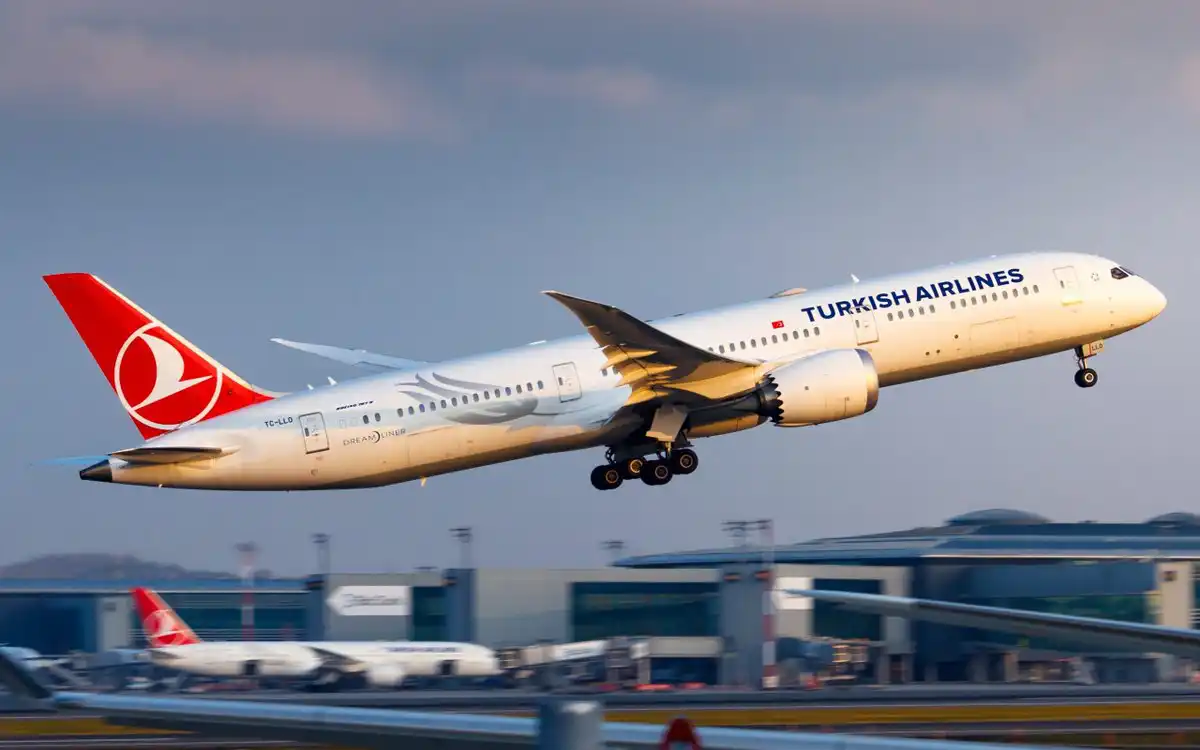
Turkish Airlines has ignited a fresh debate over press freedom and corporate reputation management after confirming that it barred a well-known aviation journalist from flying for six months, citing internal rules designed to protect its brand image. The decision, which surfaced publicly through the journalist’s own account, has drawn scrutiny both within Turkey and among international aviation observers.
At the center of the controversy is Ali Kıdık, a Turkish aviation journalist who reported that he had been placed on Turkish Airlines’ so-called “Safe Travel Passenger Tracking System.” According to the airline, this system allows it to restrict travel for passengers whose actions or statements are deemed harmful to the company’s brand value. While such systems are typically associated with security or safety risks, this case hinges instead on speech and public commentary.
What has unsettled critics most is not only the ban itself, but the explicit acknowledgment by Turkish Airlines that reputational harm can justify denying service. Rather than distancing itself from the decision, the airline has pointed to its published rules, effectively confirming that public criticism—under certain interpretations—can result in temporary blacklisting.
A Rarely Seen Rule Moves Into the Spotlight
Turkish Airlines’ Safe Travel Passenger Tracking System is usually understood as a mechanism for handling passengers who pose operational or safety concerns. In this instance, however, the airline emphasized a clause stating that passengers who make statements diminishing the airline’s brand value may be denied travel for a defined period.
In an email reportedly sent to Kıdık and later shared publicly, the airline explained that it reserves the right to refuse transport to passengers who fail to comply with its rules under international passenger and baggage transportation conditions. The message clarified that the tracking system also covers individuals who “intentionally engage in actions or share content damaging to the brand image of Turkish Airlines.”
The language of the notice was formal and unambiguous. Turkish Airlines informed the journalist that his behavior had been judged inconsistent with the company’s brand image and that, as a result, he would not be accepted on its flights until mid-2026. For many observers, the striking element was not the duration of the ban, but the broad discretion the policy appears to grant the airline.
The Social Media Post That Triggered the Ban
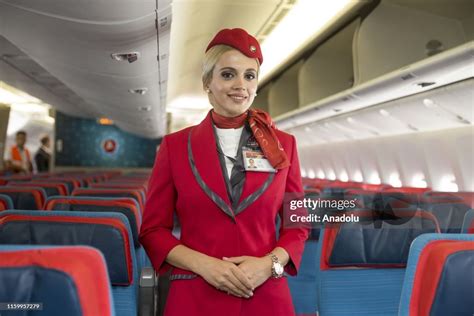
Although Turkish Airlines did not specify which statement led to the restriction, the timing has focused attention on a January 7 social media post by Kıdık. In that post, he claimed that flight attendants were no longer permitted to wear Turkish flag pins or display a portrait of Mustafa Kemal Atatürk, the founder of modern Turkey, on their uniforms.
The post quickly gained traction, in part because of how it was framed. By questioning whether the airline had an “issue” with Atatürk and the national flag, and by alluding to political sensitivities, the commentary struck a nerve. Public reaction was swift and emotional, with many interpreting the claim as an erosion of national symbols by the country’s flag carrier.
Subsequent reporting, however, suggested that the situation may have been more nuanced. According to multiple accounts, the uniform policy in question has existed since 2011, limiting cabin crew to standard-issued badges. A recent internal memo reportedly reiterated the rule rather than introducing a new restriction. If accurate, that context raises questions about whether the original post overstated a routine internal reminder.
Corporate Image Versus Journalistic Scrutiny
The episode has reopened a long-running tension between corporate brand protection and critical journalism. Airlines, particularly national carriers, invest heavily in image management and often argue that misleading claims can cause reputational and financial harm. At the same time, journalists contend that public-interest reporting and commentary should not carry the risk of commercial retaliation.
What makes this case unusual is the transparency of the policy itself. Turkish Airlines is not accused of acting covertly; instead, it has pointed directly to a written rule that allows such action. For critics, that candor does little to soften concerns, as it suggests a formalized mechanism for penalizing speech that the airline deems unfavorable.
Broader Implications for Passengers and Media
For frequent flyers, the incident serves as a reminder that airlines wield considerable contractual power over who they choose to transport. While bans are commonly associated with disruptive behavior, extending that authority to public commentary introduces a more subjective dimension that could prove controversial.
For the media, the case underscores the potential risks faced by journalists covering powerful brands. Even a temporary ban can have professional consequences, particularly for reporters whose work depends on regular air travel. As the discussion continues, Turkish Airlines’ decision is likely to remain a reference point in debates over where brand protection ends and free expression begins.
The outcome may ultimately shape how airlines, journalists, and passengers navigate the increasingly blurred line between corporate reputation and public discourse in the digital age.