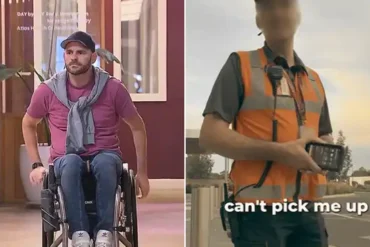
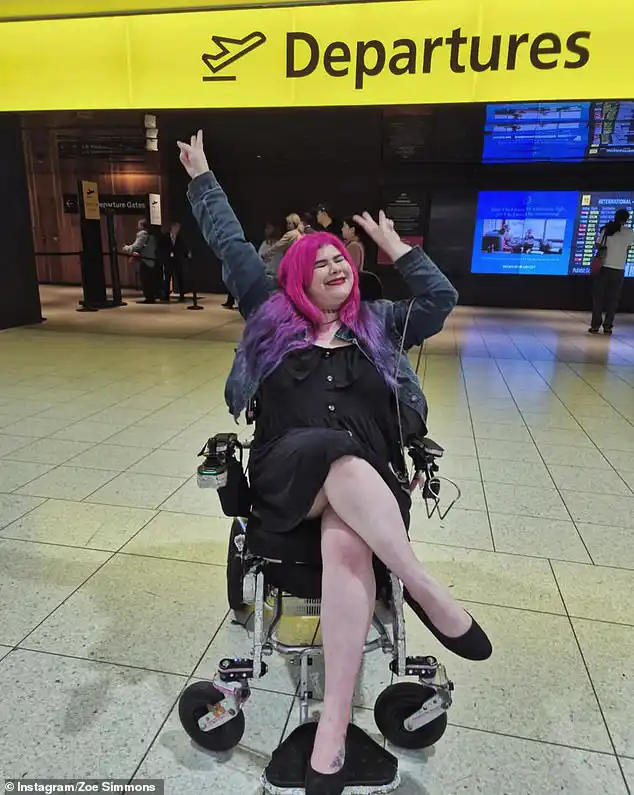
Zoe Simmons, a disability advocate from Melbourne living with fibromyalgia, has publicly condemned Qantas Airways after her wheelchair was damaged for the third time while flying with the airline. The most recent incident followed her return from a round-trip to Japan, where she discovered her custom mobility aid—essential for daily function—had sustained severe damage. Parts of the frame were bent and warped, the metal was scratched, and key components were rendered unusable.
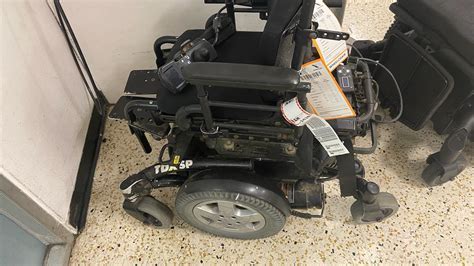
Ms. Simmons’ reaction was a mix of exhaustion and frustration. While Qantas did initiate a repair process through a partner service, the offered provider couldn’t service her specific model. Zoe had to intervene herself, providing the airline with an alternative repairer. The act of constantly advocating for what should be standard—safe handling of essential mobility equipment—left her incensed.
A Repeated Pattern of Neglect by Qantas
What makes this case particularly galling is that this is not an isolated incident. Ms. Simmons recounted two prior cases: one in 2024 and another in 2021, both involving Qantas, both resulting in her wheelchair being damaged. In a previous case, the controller of her powered wheelchair was completely snapped off. Airline staff, according to Simmons, treated the situation with a disturbingly casual attitude, reportedly “laughed off” the complaint, and offered no meaningful resolution.
“What are they doing to our wheelchairs that causes metal to warp and break?” she asked, voicing the silent frustration of many with disabilities who rely on these aids not for convenience, but for survival.
A Bigger Problem Than Just One Chair
Zoe’s experience speaks to a broader systemic failure in how airlines handle mobility equipment. Unlike luggage, wheelchairs are personal, custom-built, often irreplaceable pieces of medical equipment. Yet, they are routinely handled without care, treated like excess baggage rather than precision-designed medical devices.
“Every time we fly, we are expected to endure this treatment,” Simmons said. “It’s not just about my chair. It’s about the normalisation of this abuse.”
Her appeal isn’t just to Qantas but to the entire aviation industry: implement better training, refine policies, and offer transparency through public reporting. Unlike the United States, where airlines have been required since 2018 to report damages to wheelchairs and scooters, Australia lacks any such mandate.
Monthly statistics in the U.S. show 25 to 30 mobility aids are damaged every day during domestic flights. Without similar data transparency in Australia, there is no way to know how widespread the issue is, but advocacy groups believe it is grossly underreported.
Dismissive Sympathy and Institutional Barriers
According to Simmons, when she attempted to explain the damage to several Qantas airport staff, she was met with a standard cocktail of “dismissive sympathy”—a polite nod without meaningful action. Her call to speak with a manager resulted in yet another defensive wall: she was told policies and procedures were in place, though their implementation appeared questionable.
“The burden always falls on the person with the disability to fight,” she said. “To explain, to push, to beg. We are forced to be our own advocates, again and again, even when we are tired and hurting.”
Fibromyalgia, the condition Simmons lives with, involves widespread musculoskeletal pain, severe fatigue, and cognitive impairments. Her wheelchair isn’t a convenience—it is a vital support system. The emotional and physical labor required to repeatedly challenge airline bureaucracy only compounds the daily struggles faced by individuals with chronic illness.
Airline Response and Public Relations Damage Control
Qantas issued a statement claiming they had “sincerely apologised” to Ms. Simmons and were “working closely with her to ensure repairs are facilitated as soon as possible.” However, this reactive approach, repeated verbatim from past incidents, lacks any indication of preventative change.
The airline also stated they were “investigating how this damage occurred,” a phrase that now rings hollow after three separate instances involving the same passenger. While apology statements may look good on a press release, they do little to fix systemic problems or address the growing distrust among disabled communities.
Calls for Reform: From Damage Control to Damage Prevention
Ms. Simmons has outlined clear, actionable reforms that could drastically reduce the risk of further incidents:
- Specialist training for all ground crew handling mobility aids.
- Designated handling procedures specifically for wheelchairs and other essential medical equipment.
- Public reporting requirements for all incidents involving mobility aid damage.
- Direct reimbursement or immediate loaner equipment programs for affected passengers.
If implemented, these measures could signal genuine commitment from airlines to treat disabled passengers with the same dignity and care afforded to everyone else.
The Human Cost of Poor Policy
The price of inadequate wheelchair handling isn’t merely monetary—it’s deeply human. A wheelchair broken in transit can mean missed medical appointments, lost workdays, compromised independence, and prolonged physical pain. For individuals with disabilities, that chair is an extension of their body. Mishandling it is akin to injuring the passenger themselves.
Simmons’ story has resonated widely online, especially among advocacy groups, disability rights communities, and travellers who share similar stories of negligence. It highlights a critical gap in airline service delivery: the complete lack of empathy-led design when it comes to passengers with physical disabilities.
Looking Forward: Will Qantas Lead or Linger?
Qantas has an opportunity—not only to make things right with Zoe Simmons but to lead the Australian aviation industry in disability policy reform. The path forward demands more than quiet apologies and bureaucratic process. It requires leadership, transparency, and above all, respect.
In Zoe’s words: “We are tired of fighting every time we want to travel. We deserve better.”
Her demand isn’t excessive. It’s a basic expectation—one rooted in dignity, accessibility, and equality. The question now is whether Qantas and other airlines will finally listen.
Final Thoughts
Until airline policies shift from damage control to damage prevention, passengers like Zoe Simmons will remain vulnerable. Public awareness, media pressure, and vocal advocacy are now the last lines of defense for those simply wanting to move through the world safely and equally.
Without immediate reform, the next incident is not a question of if—but when, and who.