Mounting Legal Pressure Over Repeated Ground Collisions
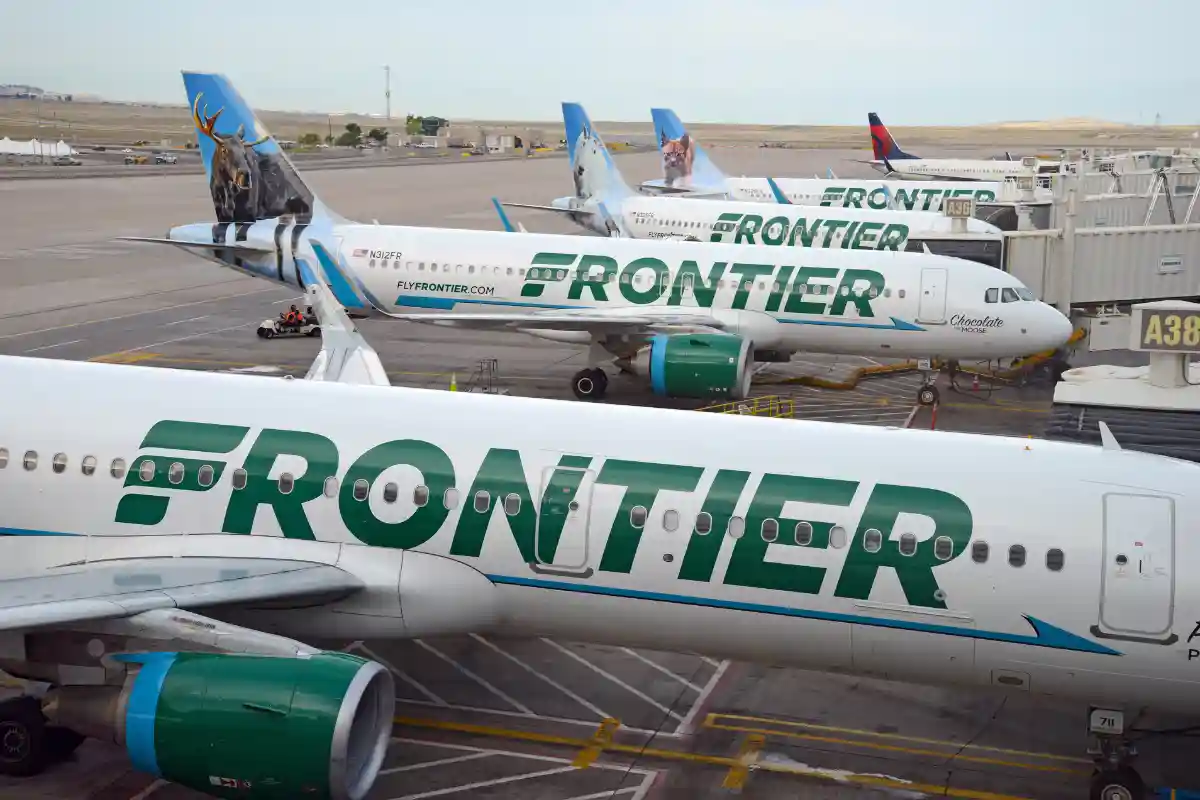
Frontier Airlines has intensified its legal confrontation with American Airlines, alleging systemic safety lapses following two separate aircraft collisions in 2024. The Denver-based ultra-low-cost carrier is now seeking additional compensation after what it describes as a pattern of operational negligence and inadequate safety oversight. At the center of the dispute lies a costly incident involving a damaged Airbus A321, alongside broader claims that American Airlines has failed to correct known deficiencies in its procedures.
The latest lawsuit builds upon an earlier settlement tied to a November 2024 accident at Boston Logan International Airport, where an American Airlines Boeing 777-200LR struck a stationary Frontier aircraft. While partial compensation was previously agreed upon, Frontier now argues that the remaining damages—and the underlying safety concerns—remain unresolved.
Boston Collision Highlights Operational Breakdown
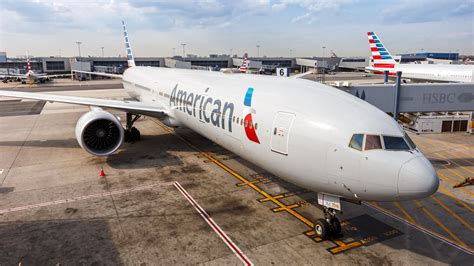
The Boston incident unfolded under routine ground operations, yet quickly escalated into a costly disruption. Frontier’s Airbus A321 was parked at gate E14A, fully boarded and preparing for departure. At the same time, an American Airlines widebody aircraft was taxiing toward an adjacent gate. During the parking maneuver, the Boeing 777’s wing clipped the sharklet of the Frontier jet, causing significant structural damage.
The consequences were immediate and far-reaching. Frontier was forced to cancel the scheduled flight, displacing passengers and disrupting network operations. The damaged A321 remained grounded for six days while undergoing repairs that ultimately totaled $670,387.45. Beyond direct repair costs, the airline also absorbed losses tied to operational downtime and passenger reaccommodation.
From Partial Settlement to Renewed Legal Action
Nearly a year after the Boston collision, American Airlines agreed to cover 50% of the repair costs, along with a portion of associated financial damages. However, Frontier’s latest filing seeks to recover the remaining balance—approximately $335,000—while simultaneously expanding its claims to include broader safety concerns.
The lawsuit asserts that American Airlines was already “on notice of systemic deficiencies” in areas such as training, supervision, and compliance protocols. Frontier contends that despite prior incidents and warnings, the legacy carrier failed to implement meaningful corrective actions, leaving similar risks unaddressed.
This renewed legal push signals a strategic shift. Rather than treating the Boston event as an isolated occurrence, Frontier is framing it as part of a larger pattern of preventable errors, strengthening its argument for full compensation and accountability.
Miami Incident Reinforces Pattern of Risk
The Boston collision was not an isolated case. Earlier in March 2024, another American Airlines aircraft struck a Frontier plane at Miami International Airport, causing far more extensive damage. In that instance, the affected aircraft was removed from service for six months, underscoring the severity of the impact.
Frontier’s lawsuit related to the Miami incident seeks approximately $100,000 in damages, and the case is expected to proceed through mediation. Together, the Boston and Miami events form the backbone of Frontier’s argument that American Airlines’ ground handling and safety culture may be fundamentally flawed.
By linking the two incidents, Frontier strengthens its claim that these are not random accidents but rather symptoms of systemic operational weaknesses.
Safety Culture Under Scrutiny
At the heart of the dispute lies a critical question: what defines a robust airline safety culture? Frontier’s allegations suggest that American Airlines may be falling short in key areas, including pilot training, ground coordination, and adherence to safety protocols. In high-density airport environments, even minor lapses in communication or judgment can result in costly—and dangerous—collisions.
Airlines operate within tightly regulated frameworks designed to minimize such risks. However, Frontier’s legal filings argue that compliance alone is not enough; consistent execution and proactive risk management are equally essential. The repeated nature of these incidents raises concerns about whether American Airlines has effectively internalized these principles across its operations.
Frontier’s Expanding Role in a Competitive Industry
Frontier Airlines continues to grow aggressively, operating a fleet of more than 170 Airbus aircraft and serving over 120 destinations. Known for its ultra-low-cost model, the airline focuses on efficiency and high aircraft utilization—making unplanned downtime particularly costly.
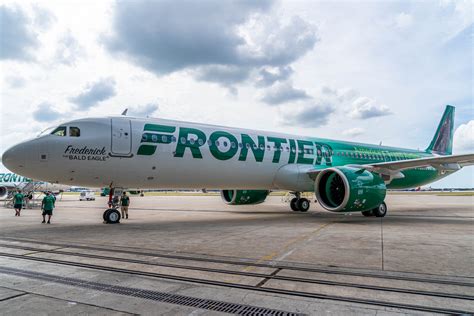
Founded in 1994 and backed by Indigo Partners, Frontier has steadily expanded its footprint while maintaining a no-frills approach to air travel. Optional add-ons such as seat selection, baggage, and onboard services generate additional revenue, while new initiatives—including a planned First Class product—signal a gradual evolution of its offering.
Against this backdrop, the financial and operational impact of repeated aircraft damage becomes even more significant. Each grounded plane represents not just repair expenses, but also lost revenue and disrupted schedules.
A Legal Battle with Industry-Wide Implications
The ongoing dispute between Frontier and American Airlines extends beyond a simple compensation claim. It highlights the critical importance of ground safety practices in an industry where margins are tight and operational precision is paramount.
As both cases move forward, the outcome could influence how airlines approach risk management, training standards, and accountability. For Frontier, the objective is clear: recover financial losses and push for stronger safety assurances. For American Airlines, the lawsuits represent both a financial challenge and a reputational test.
In an environment where even routine ground movements carry significant risk, the stakes are high—and the industry will be watching closely.