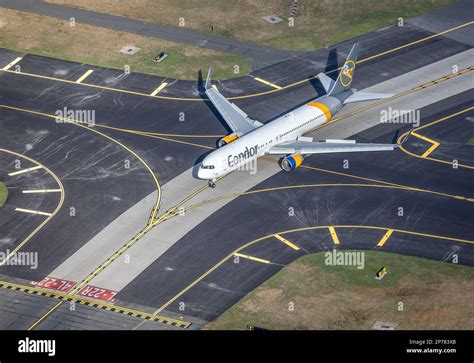
Germany’s aviation landscape is witnessing a seismic shift as Condor Airlines officially initiates legal proceedings against Lufthansa Group, challenging its controversial acquisition of ITA Airways. The legal confrontation, rooted in competition concerns and market dominance fears, could redefine the regulatory boundaries of European air travel consolidation. Condor, a prominent yet comparatively smaller German airline, is positioning itself as the defender of fair competition within a sector increasingly defined by strategic takeovers and aggressive expansion.
Condor’s Legal Offensive: A Bold Challenge to Lufthansa’s Power Play
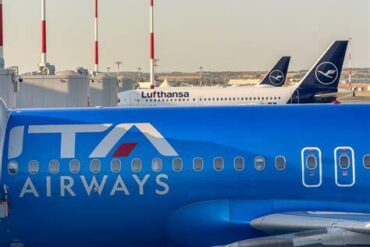
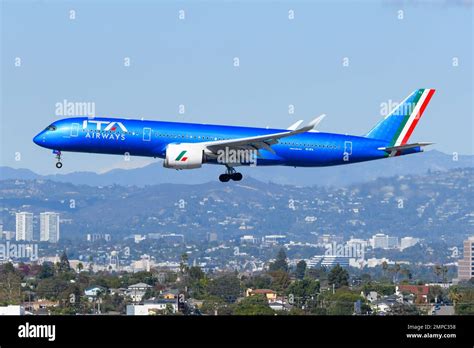
At the heart of the lawsuit is Lufthansa Group’s acquisition of a 41% stake in ITA Airways, Italy’s national airline successor to the defunct Alitalia. Although technically a minority shareholding, the acquisition comes with considerable influence over ITA’s operations and future strategy, marking a crucial foothold for Lufthansa in the southern European market. Condor argues that this move, approved by the European Commission, significantly distorts market competition, particularly on key European routes.
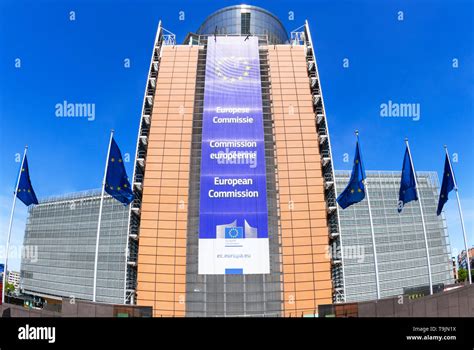
Condor’s complaint points to the EU Commission’s failure to impose stringent enough conditions on the deal. According to Condor, the oversight body has underestimated the ripple effects this consolidation could have on pricing, route availability, and overall market health. These concerns are amplified by expectations that Lufthansa’s stake in ITA Airways could soon become a majority share, giving the German aviation giant even more leverage across European skies.
Historical Context: Lufthansa’s Strategic Foray into Italy
Lufthansa’s courtship of ITA Airways traces back to early 2023, a period marked by the Italian carrier’s struggle to stabilize after inheriting the troubled legacy of Alitalia. With ITA Airways still grappling with financial sustainability, Lufthansa emerged as a suitor capable of providing the capital, connectivity, and operational integration needed to ensure its survival.
In January 2025, the €325 million deal was sealed, granting Lufthansa 41% ownership of ITA and, crucially, significant decision-making influence. This move was not merely a rescue mission for the floundering Italian airline but part of a broader Lufthansa strategy to expand its influence across Europe, particularly in regions where its previous market share was modest.

Condor’s Perspective: Market Monopolization and Reduced Consumer Choice
For Condor, the implications of this deal extend well beyond a simple equity transfer. The airline fears that Lufthansa’s dominance, now reinforced with a southern European ally, will marginalize smaller competitors. Routes once accessible and competitive may now fall under the pricing and scheduling whims of a single powerful conglomerate. Condor insists that reduced airfare competition is not only a threat to carriers but a disservice to European consumers.
Condor also stresses that the competitive playing field has already been tilted in Lufthansa’s favor for years, thanks to its massive operational footprint, extensive fleet, and broad alliance partnerships. By acquiring a stake in ITA Airways, Lufthansa isn’t simply growing—it’s eliminating strategic gaps in its network, especially in the lucrative leisure and business corridors between Germany and Italy.
Regulatory Oversight and the EU Commission’s Role
The European Commission’s approval of the deal has become a lightning rod for criticism. While acknowledging potential risks, the Commission imposed a limited set of conditions that it believed would preserve market balance. These included divestitures of certain slots and guarantees about maintaining existing service levels on overlapping routes.
However, Condor and several independent analysts argue that these conditions fall far short. The concession measures are seen as superficial, lacking the structural depth needed to prevent anti-competitive behavior. Furthermore, Condor asserts that regulatory leniency has emboldened Lufthansa, setting a dangerous precedent for future consolidations in the industry.
Strategic Implications for Lufthansa and ITA Airways
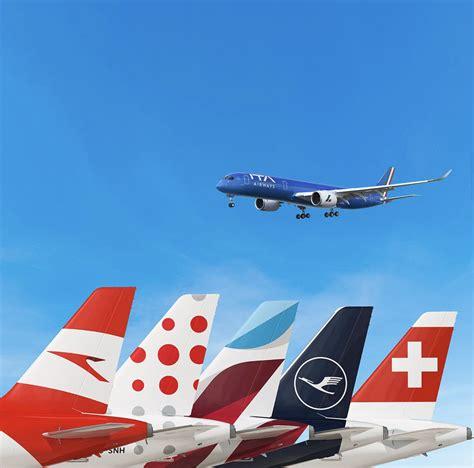
From Lufthansa’s standpoint, the acquisition of ITA Airways represents a masterstroke of strategic alignment. Italy has long been a market where Lufthansa struggled to establish dominance, in part due to nationalistic airline policies and deeply entrenched local preferences. With ITA in its fold, Lufthansa instantly gains a major operational base in Rome and Milan, granting access to southern European, North African, and Middle Eastern routes.
Moreover, Lufthansa claims that the deal will boost its annual profits by hundreds of millions of euros, thanks to network synergies, shared maintenance operations, and optimized fleet usage. ITA, too, benefits from this partnership, gaining access to Lufthansa’s purchasing power, IT systems, and global alliances, which could stabilize its operations and attract new traffic flows.
The Broader Industry Context: Consolidation Trends and Market Anxiety
The Condor-Lufthansa legal clash underscores a broader industry pattern: consolidation as a survival and dominance strategy. European aviation has, over the past decade, witnessed a flurry of mergers and partnerships aimed at countering rising costs, regulatory burdens, and intense global competition. From Air France-KLM to IAG’s control of British Airways, consolidation has been the preferred path forward.
Yet, these mergers frequently raise consumer protection and market fairness concerns. Critics warn that fewer, more powerful airline groups mean less price transparency, weaker service quality, and diminished route diversity. While large conglomerates tout efficiency and connectivity, smaller airlines like Condor see their autonomy and profitability gradually eroded.
Legal Grounds and Potential Outcomes
Condor’s legal challenge, filed in European courts, hinges on proving that the Lufthansa-ITA deal violates EU competition law. This will require demonstrating not just theoretical harm but quantifiable market disruptions—such as price hikes, route closures, or unfair slot allocations—that directly result from the acquisition.
If successful, Condor’s suit could result in:
- Revised regulatory conditions, forcing Lufthansa to divest certain assets or relinquish strategic control over parts of ITA.
- Financial penalties or restrictions on future M&A activity for Lufthansa.
- Stronger, precedent-setting regulations on how airline consolidations are approved and monitored in the EU.
However, legal experts warn that overturning an approved EU Commission decision is a monumental challenge. The burden of proof lies heavily on Condor, and the process is likely to be long, complex, and politically fraught.
Industry Reactions and Stakeholder Sentiment
The lawsuit has triggered a wave of reactions across the aviation industry. Some regional airlines and consumer advocacy groups have voiced support for Condor’s move, arguing that unchecked airline consolidation needs to be curtailed. Others, particularly Lufthansa stakeholders and pro-integration analysts, argue that Condor is resisting inevitable industry evolution.
There is also concern that the lawsuit could deter future rescue operations for struggling airlines. If legal and regulatory barriers grow too high, larger groups may think twice before investing in weaker counterparts, potentially leaving national carriers to collapse without recourse.
The Future of European Aviation Regulation
Regardless of the lawsuit’s outcome, Condor’s bold move has already reignited the debate around competition in European skies. As the European Commission faces mounting pressure to revisit its merger approval frameworks, new rules may emerge to address concerns raised by this case.
Key focus areas for future regulation could include:
- Stricter pre-merger impact assessments focused on regional routes.
- Mandatory post-merger audits to ensure promised competition safeguards are upheld.
- Increased transparency around how market influence is measured, especially when minority stakes come with disproportionate control.
Conclusion: A Case That Could Reshape the Skies
The Condor vs. Lufthansa legal battle is more than a corporate dispute—it is a litmus test for how Europe defines fairness, balance, and opportunity in the aviation sector. As mega-carriers grow larger and market boundaries blur, the need for robust regulatory frameworks becomes ever more urgent.
For Condor, the lawsuit is a fight for survival. For Lufthansa, it’s a challenge to its grand strategy. For regulators and passengers, it may ultimately decide whether the skies over Europe remain open and fair—or consolidate into the hands of a few giants.