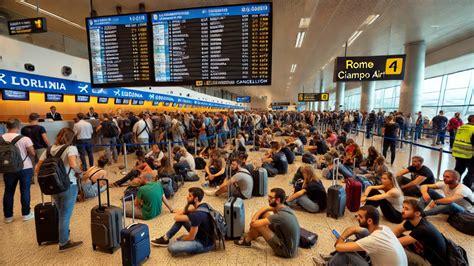
The summer of 2025 has delivered an unexpected jolt to travelers in Italy, with a 24-hour national strike bringing widespread disruptions across the country. On Friday, June 20th, thousands of transport workers—spanning sectors from aviation to local buses—walked off the job, grounding flights, stalling trains, and silencing the hum of urban transit. Tourists navigating cities like Rome, Milan, Naples, and Florence are facing long delays, cancellations, and mounting frustration as the country’s infrastructure grinds to a near halt.
The strike, called by multiple trade unions, has one overarching message: labor disputes in Italy’s public and transport sectors are intensifying, and travelers caught in the middle must adapt fast. As of midday, over 80 flights have been canceled, trains rerouted, and city streets unusually still as local buses, metro lines, and trams halt their services.
Why the Strike Is Happening and Who Is Involved
The 24-hour strike, rooted in longstanding grievances over wages, working conditions, and job security, is being spearheaded by transportation unions across the country. While these strikes are not uncommon in Italy, the scale of this coordinated walkout has taken many by surprise—largely due to its timing during peak tourist season and the broad sweep of sectors participating.
Employees at airports, national railway lines, and municipal transport departments are joining hands in protest. Ground handling staff, baggage handlers, rail conductors, bus drivers, and even ticketing agents have refused to clock in. The result: a domino effect of transport paralysis from Fiumicino to Venice, affecting inbound and outbound travel alike.
Among the most impacted sectors is air travel, where major airlines are bearing the brunt of cancellations and severe operational slowdowns.
Airlines Most Affected: ITA Airways, Flydubai, Lufthansa, Ryanair, and EasyJet
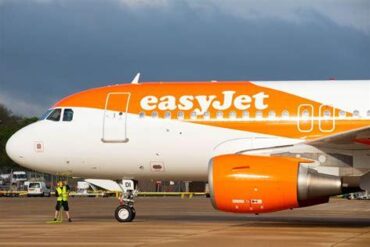
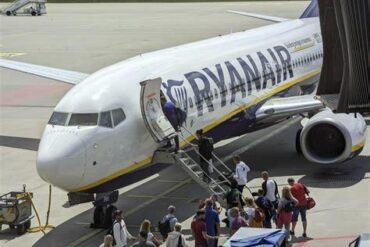
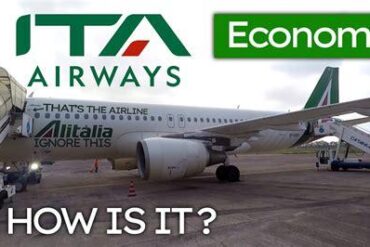
ITA Airways, Italy’s national carrier, has confirmed the cancellation of 34 flights—a mix of both domestic and international routes. Flights between Rome and Milan, as well as high-volume connections to London Heathrow, are among those most severely affected. Other international carriers including Flydubai, Lufthansa, Ryanair, and EasyJet are also reporting significant disruptions.
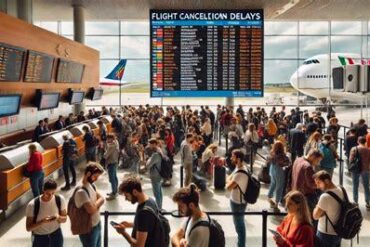
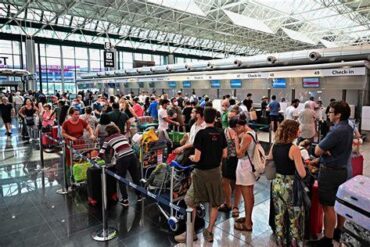
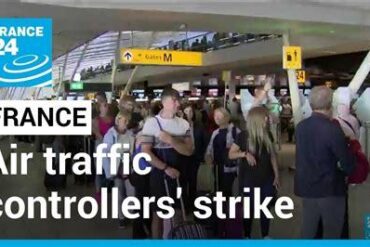
At Rome Fiumicino Airport, terminal congestion is intensifying as long queues form at customer service desks, and departure boards flash red with delay notices. At Milan Malpensa, confusion reigns as passengers scramble to rebook or seek alternate connections.
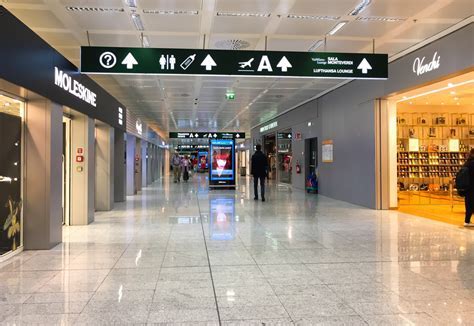
What makes this strike particularly chaotic is its reach into international travel corridors, with flights not just within Italy, but between major European and Middle Eastern hubs being delayed or canceled. Travelers heading to Dubai, Frankfurt, Munich, London, and Paris are urged to double-check their status.
What Air Travelers Should Do Now
For those traveling in or out of Italy on June 20th, proactive communication with airlines is essential. Real-time updates, offered through mobile apps and official airline websites, can help mitigate surprises. Here’s what to keep in mind:
- Confirm flight status before heading to the airport, even if the flight appears unaffected.
- Allow extra time for check-in, security, and boarding, as staffing shortages may cause longer-than-usual waits.
- Know your rights under EU261 regulations. If your flight is canceled due to strike action and no alternative is offered, you may be entitled to rebooking, a refund, or compensation, depending on the circumstances.
- Travel insurance holders should check if labor strikes are included in coverage, particularly regarding missed connections, accommodation delays, or cancelled tours.

While many airlines are offering free rebooking or refund options, the short notice of the strike has meant limited seat availability on alternate flights. Tourists traveling on budget airlines like Ryanair and EasyJet may find fewer support staff and longer waits for customer service.
National Train Network Faces Massive Disruptions
Italy’s famed rail network, operated by Trenitalia and Italo, is not spared from the chaos. The strike is affecting both regional and high-speed services, with Frecciarossa and Italo AV trains among those delayed or suspended.
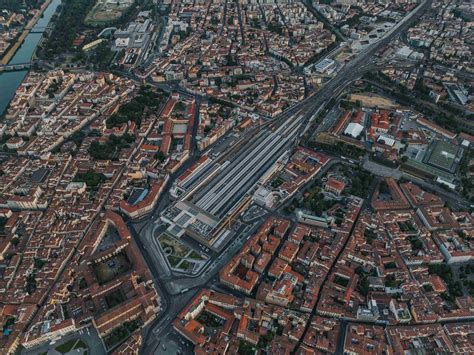
Key connections between Rome–Florence, Venice–Milan, and Naples–Bologna are either operating on reduced schedules or completely halted. Tourists attempting to take day trips or transition between cities by rail are facing widespread uncertainty.
Rail operators are advising passengers to:
- Verify schedules online before departure, using official apps or the Trenitalia website.
- Use flexible tickets where possible, as many services are now overbooked due to rerouted passengers.
- Explore bus alternatives like FlixBus or regional coach services, though these too may face road delays due to disrupted urban traffic.
- Stay near transit hubs, especially if connecting flights or international rail links are involved.
Even overnight trains like InterCity Notte are not immune, with many services either delayed by hours or cancelled outright.
City Transit in Rome, Milan, Naples, and Florence Grounded
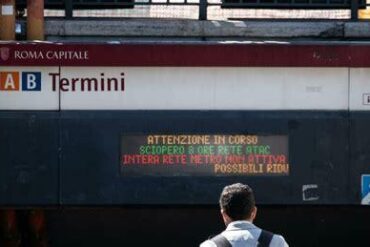
Urban movement has come to a standstill in Italy’s major cities, where municipal transport systems have seen entire bus fleets parked and metro stations shuttered. Tourists in Rome face closed Metro Line A and B segments, while trams in Milan remain stuck in their depots. In Naples, the city’s famed funicular lines and local buses are operating on skeleton schedules, if at all.
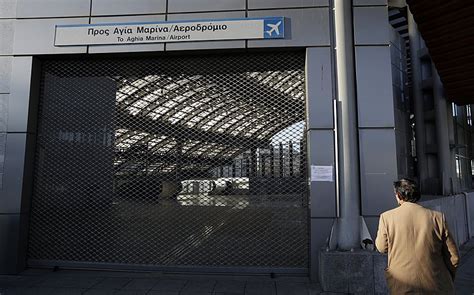
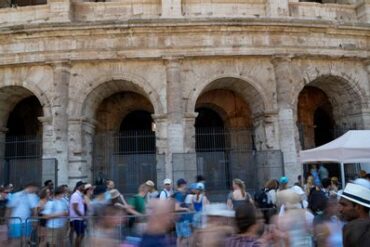
Visitors relying on public transport to reach landmarks such as the Colosseum, Duomo di Milano, or Pompeii may need to resort to taxis, ride-hailing services, or rental scooters.
Despite higher costs, Uber, Free Now, and ItTaxi are functioning, though demand surges are leading to longer wait times and higher fares. In cities like Florence, tourists are increasingly choosing to walk or cycle, using dockless bike-share platforms such as Mobike or Lime.
Tourist Hotspots Are Still Open, But Access Is Tough
Notably, Italy’s cultural landmarks remain open, and most museums, galleries, and attractions are operating on normal schedules. However, getting there is the real challenge.
At the Vatican Museums, early-morning lines are stretching longer as public buses from central Rome remain offline. In Venice, water taxis are overwhelmed with passenger loads due to the vaporatto water buses’ reduced service.
Some savvy travelers are adjusting by:
- Relocating accommodations to city centers to minimize dependency on transit.
- Planning more walkable days, focusing on single neighborhoods rather than cross-city tours.
- Using hotel concierge services to arrange local drivers or shared shuttles.
Real-Time Resources for Navigating the Strike
To stay ahead of the chaos, travelers are encouraged to utilize digital tools and platforms that offer real-time updates:
- ITA Airways and Lufthansa apps for live flight tracking.
- Trenitalia’s ViaggiaTreno platform for train status updates.
- Moovit and Rome2Rio for alternative city routes and transit options.
- Twitter/X feeds of airports like @AeroportidiRoma and @MiAirports for ground-level updates.
Some hotels and tour agencies are also sending out email alerts to guests, advising on revised tour schedules, pickup times, or delays to group activities.
Looking Ahead: Will More Strikes Follow?
This strike has triggered broader questions about the reliability of Italy’s transport system during peak travel periods. With union leaders indicating the possibility of further walkouts unless negotiations with the government and private operators bear fruit, the summer travel season could see additional flashpoints.
Tourists planning to visit in late June and July are advised to monitor labor news, stay flexible with cancellation policies, and possibly plan longer stays in fewer cities to reduce transfer stress.
As the day progresses, more information will emerge about resumption timelines, compensation offers, and potential de-escalation. But for now, June 20th stands as one of the most disruptive days for travel in Italy in recent years—serving as a stark reminder that even the world’s most romantic destinations are not immune to logistical gridlock.
Final Thoughts: Patience and Planning Are Essential
While the 24-hour strike has undeniably thrown countless vacation plans into disarray, tourists who plan ahead, stay informed, and act swiftly can still salvage their experiences. Italy’s beauty, culture, and charm remain intact—even if reaching them today requires a little more effort and a lot more patience.
Whether you’re stuck at Fiumicino, rerouted through Zurich, or navigating backstreets in Naples, your Italian adventure can still go on—just with a few unexpected detours.