Italy welcomes millions of visitors each year, drawn by its historic cities, breathtaking coastlines, and vibrant culture. Yet, many tourists unknowingly fall into legal traps set not by intent, but by a lack of awareness. From Rome’s ancient ruins to Venice’s romantic canals, hidden municipal laws govern tourist behavior—and ignoring them could lead to unpleasant surprises in the form of fines. Here’s what every traveler should know to avoid breaking Italian laws in 2025.
Respecting Italy’s Cultural Treasures Isn’t Optional
Tourists marvel at Italy’s majestic landmarks, but few realize that local ordinances protect these sites aggressively. For instance, in cities like Rome and Florence, eating or drinking near churches, fountains, or historical monuments is strictly prohibited. This law aims to preserve the sanctity and cleanliness of Italy’s most cherished symbols. That innocent gelato selfie beside the Pantheon? It could cost you upwards of €250 if caught.
Equally tempting during hot Mediterranean days is to cool off in one of the country’s elegant fountains. Yet, bathing, sitting, or even dipping your feet in public fountains is not only frowned upon—it’s illegal. Authorities patrol areas like Piazza Navona or the Trevi Fountain regularly, issuing fines that can reach hundreds of euros.
Think Twice Before Taking Nature Home
Italy’s natural beauty is unmatched, especially along its stunning coastline. But tourists often make the mistake of trying to bring a piece of paradise home. Removing sand, pebbles, or shells from beaches, especially those along Sardinia, Sicily, or Amalfi Coast, is illegal. Even a few grams of sand tucked into a plastic bottle can land you in trouble at the airport.
This rule isn’t just symbolic—it’s strictly enforced. In 2023 alone, authorities in Sardinia fined over 400 tourists for attempting to smuggle sand or stones. Some received fines of up to €3,000, proving that even well-meaning souvenirs can carry steep costs.
The same rules apply in protected mountainous regions like the Dolomites or the Aosta Valley, where wildflower picking and herb gathering are prohibited. What might seem like a harmless nature walk can quickly become an environmental violation.
Avoid Unlicensed Street Vendors—And Their Tempting Prices
Street shopping is part of the Italian experience, especially in popular cities like Naples or Milan. But many tourists fall for deals offered by unauthorized street vendors, especially when buying sunglasses, purses, or souvenirs. What’s often ignored is that buying from unlicensed sellers is itself a fineable offense, not just for the seller but for the buyer.
These operations often involve counterfeit goods, which are strictly controlled under EU intellectual property laws. Police and undercover agents regularly sweep areas like the Spanish Steps in Rome or the Rialto Bridge in Venice. If caught, you could face an immediate fine starting at €100 and climbing significantly depending on the value of goods.
Tourist Tax: A Legal Obligation, Not a Scam
Many visitors are caught off guard by Italy’s mandatory tourist tax, which varies by city, municipality, and hotel rating. Unlike a hidden fee, this tax is a legal requirement and usually collected by hotels at check-in or checkout.
The rates typically range:
- €1 to €7 per night per person
- Higher rates in cities like Venice, Rome, and Florence
- Often excluded from online booking prices

Always request a receipt after payment. Refusing to pay or leaving without settling this tax can result in fines, especially in establishments registered with local municipalities. If you’re using a vacation rental platform like Airbnb, the platform might collect the tax for you—but not always. Read your confirmation emails carefully.
Validate Tickets or Pay the Price on Italian Public Transport
Italian public transportation, from Trenitalia regional trains to local trams in Milan, requires ticket validation before boarding. Tourists often make the mistake of buying a ticket and hopping on, assuming possession is enough. It’s not.
Before you board:
- Find the small yellow or green validation machine (usually on the platform or near vehicle doors)
- Insert your ticket to stamp it with the date and time
If you skip this step, you’re considered as traveling without a valid ticket—even if you paid. Inspectors patrol frequently, especially on popular routes like Rome–Florence or Naples–Pompeii. Fines start at €100 and can go up to €500, though immediate payment often reduces it to €50.
Tourists cannot use ignorance as an excuse. If you don’t speak Italian, it won’t exempt you from enforcement.
Always Carry Valid Identification
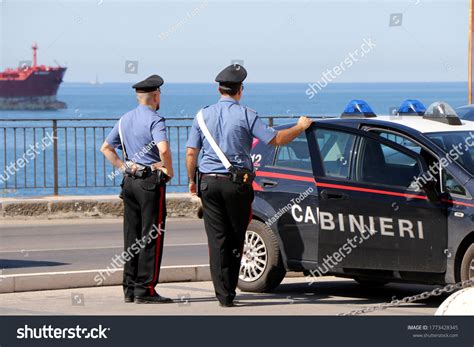
In Italy, it’s mandatory to carry identification. While many tourists leave passports in their hotel for safety, this could create complications. Police are permitted to stop and ask for ID at any time, especially near tourist sites or at random traffic checks.
Acceptable identification includes:
- A full passport (strongly preferred if you’re driving)
- A photocopy of your passport plus another official photo ID
For those renting a car, it’s non-negotiable. Italian traffic police (Polizia Stradale) require your full passport and valid driver’s license on hand—not in the hotel safe. Failure to produce documentation could result in temporary detainment or vehicle seizure until your identity is confirmed.
Don’t Block Public Walkways or Sit on Stairs
In cities like Florence and Venice, tourists often rest on church steps or busy stairways to take a break, unaware that blocking public passages is punishable. With overcrowding a growing problem, city authorities are cracking down on anything that restricts pedestrian flow.
In Florence, sitting on the cathedral steps or the steps of Basilica di Santa Croce is prohibited. Similar bans exist near the Spanish Steps in Rome, where sitting has been banned since 2019, and violations come with fines of up to €400. Local police enforce this actively.
Watch Your Dress Code in Sacred Places
Italian churches and cathedrals aren’t just architectural marvels—they’re active places of worship. Tourists entering these sacred spaces without proper attire may be denied entry or worse, fined for disrespecting religious customs.
Dress modestly when visiting churches:
- Shoulders and knees must be covered
- Hats should be removed
- Swimwear is never acceptable, even with a cover-up
Signs outside major sites like St. Peter’s Basilica clearly warn visitors. Enforcement isn’t just symbolic—tourist police stationed outside these monuments have the authority to issue citations or remove visitors deemed disrespectful.
Noise and Public Conduct Laws in Small Towns
Italy’s charm often lies in its smaller villages—Cinque Terre, Assisi, or Alberobello—where local life still thrives. But in these tranquil towns, noise and public conduct are strictly regulated, especially at night. Public drunkenness, loud music, or disruptive behavior can lead to police intervention.
Some towns also enforce seasonal bans. In Cinque Terre, walking in flip-flops on rugged trails has been discouraged due to the number of injuries—fines up to €2,500 have been issued to ill-prepared hikers. Always check local signage before exploring lesser-known areas.
Conclusion: Be Informed, Not Fined
Italy is not just a feast for the senses—it’s a patchwork of municipalities, each with its own local laws and cultural expectations. Tourists who enter blindly risk ruining their experience with unexpected penalties. From validating a bus ticket to respecting the silence of a monastery, the small details matter.
Familiarizing yourself with these lesser-known rules isn’t just about avoiding fines—it’s about respecting the heritage, culture, and laws of the places you visit. As tourism rebounds in 2025, enforcement is only getting stricter. Make your memories of Italy sweet and stress-free by staying informed and treading thoughtfully.