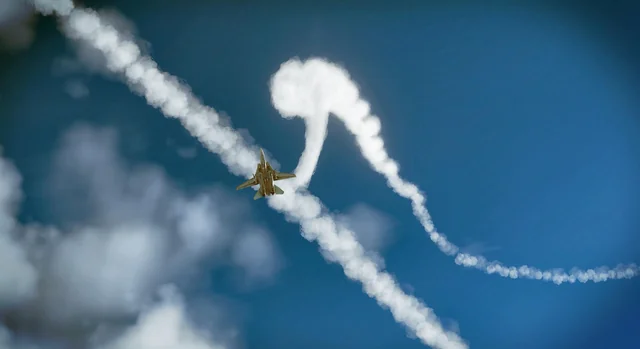
Flat spins are one of those flight conditions you never want to experience—but absolutely need to understand. Popularized by films like Top Gun, where Maverick and Goose face a terrifying spin, the flat spin isn’t just Hollywood drama. It’s a real aerodynamic danger that can challenge even experienced pilots. In this article, we’ll break down what a flat spin is, how it differs from a regular spin, what causes it, how to recover from one, and—most importantly—how to prevent it. If you’re training to be a pilot or already in the cockpit, this knowledge could save lives.
What Exactly Is a Flat Spin?
A flat spin is a dangerous type of stall where an aircraft rotates horizontally in a nearly level attitude. Unlike a typical spin, where the nose points downward, a flat spin involves the aircraft spinning on a flatter, horizontal axis—almost like a leaf twirling to the ground.
Here’s the problem: in a flat spin, there’s very little airflow over the control surfaces. That drastically reduces the pilot’s ability to regain control. The aircraft is essentially falling out of the sky while rotating, and it’s very hard—sometimes impossible—to stop without the right technique.
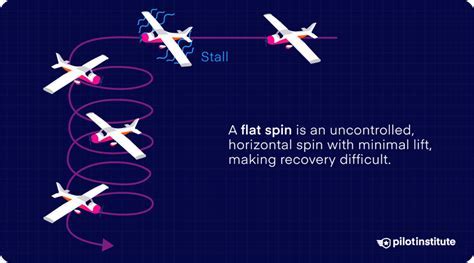
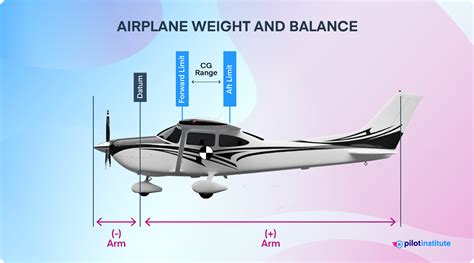
Some aircraft are more prone to flat spins, especially if the center of gravity (CG) is too far aft. But even aircraft within their normal CG range can experience flat spins under the wrong conditions.
Comparing a Flat Spin to a Normal Spin
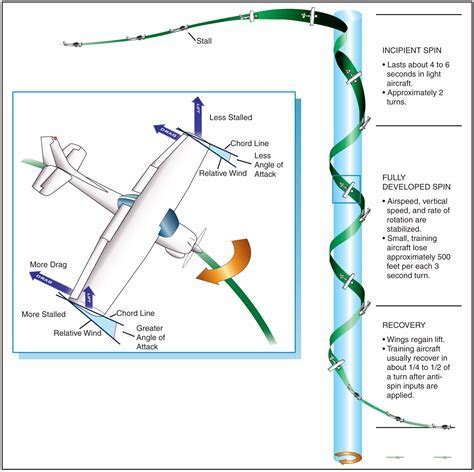
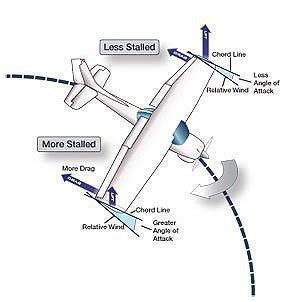
To understand flat spins, you first need to know how stalls and spins work in general. A stall occurs when the angle between the wing and the oncoming air (angle of attack) gets too steep, and the wing stops generating lift. If the stall is paired with yaw—a rotation around the aircraft’s vertical axis—it can lead to a spin.
A normal spin usually involves a nose-down spiral with one wing more stalled than the other. But in a flat spin, the nose stays nearly level with the horizon, which means:
- Less airflow over control surfaces
- Significantly reduced control effectiveness
- Higher difficulty in recovery
The biggest danger? In a flat spin, typical recovery moves may not work—or could make things worse.
How to Recover Using PARE
Recovering from a flat spin isn’t about improvisation—it’s about following a proven method. The acronym PARE gives us the exact steps:
- P: Power – Idle
- A: Ailerons – Neutral
- R: Rudder – Opposite to spin
- E: Elevator – Forward
Let’s break each step down so you know exactly why and how each one matters.
Power – Idle
The first instinct might be to add power—but that’s the opposite of what you should do. Adding power can worsen the situation by increasing airflow over the tail, causing the nose to pitch up even more. To break the stall and reduce rotation, pull the power back to idle.
Ailerons – Neutral
Next, keep the ailerons neutral. It might feel natural to use them to stop the spin, but that can cause asymmetrical lift—worsening the spin or even reversing it. Neutralizing the ailerons stabilizes the wings’ angles of attack and helps you regain balance.
Rudder – Opposite Direction
Use full rudder opposite to the direction of the spin. If you’re spinning left, apply full right rudder. This counters the yaw and stops the rotation. But remember: once rotation stops, return the rudder to neutral. Holding it too long can flip you into a spin in the opposite direction.
Elevator – Forward
Finally, ease the yoke forward. This reduces the angle of attack, helping the wings start generating lift again. It’s uncomfortable—especially if you’re nose-down—but it’s critical to ending the stall.
Common Causes of Flat Spins
Flat spins usually don’t just “happen.” They result from specific flight conditions or poor decision-making. The most common causes include:
1. Aft Center of Gravity
When the CG is too far aft, it changes the aircraft’s stability. The farther back the CG, the harder it is to recover from a stall—and the more likely the stall turns into a flat spin.
2. Uncoordinated Flight
Spins often begin when control inputs are unbalanced. For example, using too much rudder without coordinated aileron or elevator input can increase yaw and decrease lift. Combine that with a stall, and you’re flirting with disaster.
3. Abrupt Maneuvering
Sharp control inputs, especially during low-speed, high-angle-of-attack maneuvers, can easily push an aircraft into a spin. If the CG is aft and control inputs are aggressive, a flat spin becomes even more likely.
Preventing Flat Spins Before They Happen
The best way to survive a flat spin? Never get into one in the first place. Here’s how to reduce your risk.
Get Proper Flight Training
Flight training isn’t just about earning a license—it’s about saving your life. Learn to recognize the signs of a stall early:
- Buffeting
- Sluggish controls
- Nose-high attitude
Practice stall and spin recovery often with your instructor so you’re ready if it ever happens.
Stay Within Aircraft Limits
Know your aircraft. That means understanding stall speeds, weight and balance limits, and maneuvering speeds. Always ensure your weight and CG are within the recommended envelope.
Also, avoid abrupt inputs near stall speed, especially during climb-out or while setting up for landing.
Maintain Situational Awareness
Flat spins are more likely when you’re low, slow, and distracted. Whether it’s takeoff, landing, or aerobatics, always monitor weather, terrain, and control responsiveness. Being mentally ahead of the airplane gives you more time to react when something feels off.
Notable Flat Spin Accidents
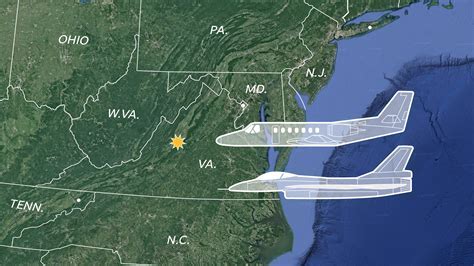
Tragically, flat spins have claimed lives across general aviation and aerobatic flying. Here are three sobering examples that highlight the dangers.
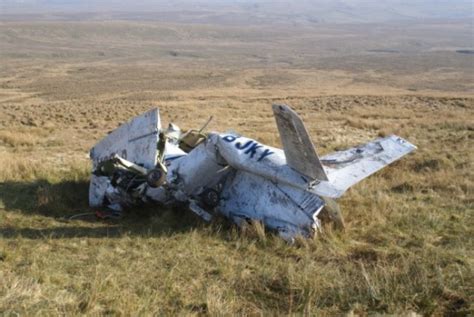
2006 Cessna 152 Crash
During a spin training flight, a student and instructor entered a spin they couldn’t recover from. The investigation suggested the student panicked, possibly holding onto the yoke and preventing the instructor from taking over. Both died on impact.
2000 Pitts 260DB Flat Spin
A Pitts aerobatic aircraft crashed in the Florida Everglades after entering a flat spin. The plane was overweight and had an aft CG, which made recovery impossible. The pilots bailed out too late for their parachutes to deploy. The aircraft was found with no mechanical issues—just bad loading and decision-making.
2021 Cessna A150 Aerobat Crash
In Queensland, Australia, a flight instructor and student were performing spin recoveries in a Cessna A150 Aerobat. They likely used the Mueller/Beggs method, which is effective in Pitts aircraft but not in the Aerobat. The spin continued until impact, killing both.
A Safety Advisory Notice was later issued to warn pilots against using aircraft-specific recovery techniques outside their intended designs.
Final Thoughts: Stay Informed, Stay Safe
Flat spins are rare—but deadly. That’s why every pilot should be trained, prepared, and alert to avoid them. By learning the warning signs, staying within safe operating limits, and practicing recovery procedures like PARE, you can fly confidently knowing you’re ready to handle the unexpected.
Aviation rewards those who respect it. Knowledge and preparation are your best co-pilots.