Airline standby and rebooking systems often appear confusing because passengers see only the final result: a name moving up or down a list, a seat becoming available, or another traveler boarding while they remain at the gate. However, behind every standby list is a complex priority structure built around loyalty status, ticket type, operational needs, and commercial relationships.
When a flight is canceled, delayed, or unexpectedly has fewer available seats, airlines do not simply follow a first-come, first-served system. Instead, they use computer-based ranking systems that evaluate each passenger’s eligibility and priority level. A traveler who requested standby hours earlier may still lose a seat to someone who joined the list later but has higher status or a more valuable ticket.
Understanding how airlines rank standby and rebooking priority can help passengers make smarter decisions during disruptions. From elite frequent flyers receiving hidden advantages to airline employees following completely different rules, these five factors explain why the standby process rarely works the way travelers expect.
1. Standby Lists Are Not First-Come, First-Served Queues
Many passengers assume that arriving early at the airport or requesting standby immediately gives them the best chance of receiving an available seat. In reality, time is usually only a secondary factor in airline standby rankings.
Airlines divide standby passengers into different priority categories. These categories are often determined by frequent flyer status, ticket type, reason for travel, and whether the passenger was affected by an airline disruption.
For example, a passenger with top-tier elite status who joins the standby list shortly before departure may rank above a general member who requested standby several hours earlier. The system is designed to reward customer loyalty and protect the airline’s most valuable travelers.
The request time becomes important when two passengers have identical priority levels. If two Gold-level frequent flyers are waiting for the same flight and both have the same fare category, the passenger who requested standby first may receive the seat.
However, request time does not allow a lower-priority traveler to jump ahead of higher-ranking passengers. This is one of the biggest misunderstandings surrounding airline standby systems.
Major airlines typically organize standby lists using several layers. Frequent flyer elite status often comes first, followed by fare class, corporate traveler benefits, and other internal ranking factors. Only after those categories are considered does the timestamp of the request become a deciding factor.
This means that simply being first in line at the gate does not necessarily mean being first on the standby list.
2. Basic Economy Tickets Often Come With Hidden Standby Restrictions
The rise of basic economy fares has changed how passengers interact with airline standby systems. These cheaper tickets may look similar to standard economy seats, but they usually remove many of the flexibility benefits that traditional economy passengers receive.
Many airlines introduced basic economy to create stronger differences between fare categories. The goal is simple: attract price-sensitive travelers while encouraging passengers who value flexibility to purchase a more expensive ticket.
Standby access is one of those differences.
Some airlines allow basic economy passengers to request standby, while others restrict or completely remove that option. In the United States, policies vary significantly between carriers. Airlines such as American Airlines and United Airlines have historically offered more flexibility for basic economy travelers in certain standby situations, while other carriers apply stricter restrictions.
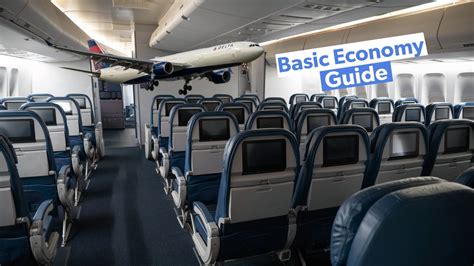
The reason behind these restrictions is not operational difficulty alone. Airlines use fare rules as part of their revenue management strategy. A passenger who pays the lowest possible fare receives fewer benefits, while travelers purchasing higher fare classes gain additional flexibility.
Basic economy restrictions may include limitations on:
- Flight changes
- Same-day standby options
- Seat selection
- Carry-on baggage allowance
- Upgrade eligibility
For passengers, the lesson is clear: the cheapest ticket may become expensive when travel plans change. A slightly higher fare can sometimes provide valuable flexibility during irregular operations.
When a flight is delayed or canceled, passengers with more flexible tickets may have more options available before basic economy travelers even enter the standby competition.
3. Elite Frequent Flyers Often Receive Priority Over Other Passengers
Airlines invest heavily in loyalty programs because frequent travelers represent some of their most profitable customers. As a result, elite status plays one of the biggest roles in determining standby and rebooking priority.
Top-tier members of airline loyalty programs are usually placed near the top of standby lists. These passengers have demonstrated long-term value through frequent travel, higher spending, or corporate relationships.
For example, premium loyalty members at major US airlines receive special recognition:
- American Airlines rewards its highest-value customers through ConciergeKey and Executive Platinum levels.
- Delta Air Lines provides priority benefits for members of its Medallion program, including its invitation-only Delta 360 tier.
- United Airlines offers priority treatment through Global Services and Premier elite levels.
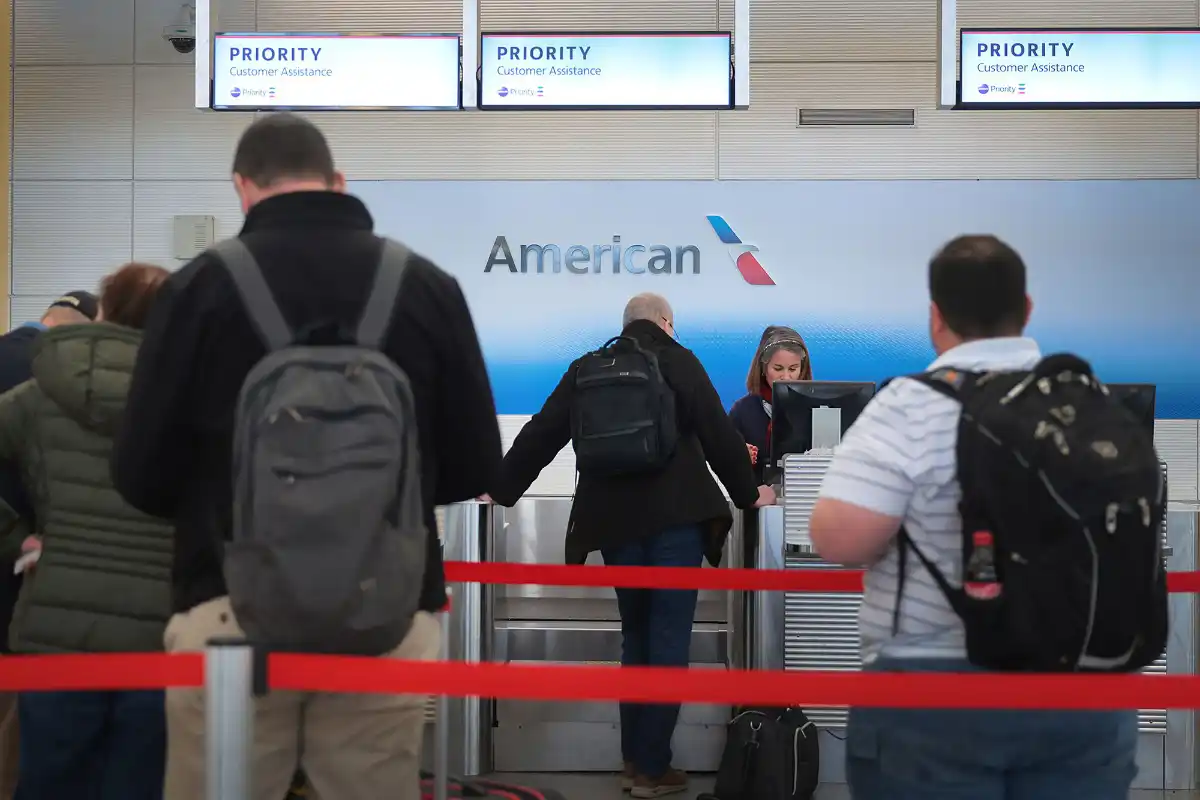
These benefits are especially visible during irregular operations. When multiple passengers compete for a limited number of seats, elite travelers often receive advantages that ordinary passengers do not have.
Airlines consider loyalty status important because protecting these customers reduces the risk of losing them to competitors. A traveler who flies dozens of times each year represents significantly more future revenue than someone taking a single vacation trip.
However, elite status does not always guarantee a seat. During major disruptions, hundreds of elite passengers may compete for limited availability. In those situations, the airline’s internal ranking system still determines the final order.
Other factors can also influence placement, including:
- Fare class purchased
- Recent spending activity
- Corporate travel agreements
- Airline credit card relationships
- Time of standby request
The system is complicated, but the overall principle is simple: airlines prioritize customers who provide the greatest long-term value.
4. Passengers Affected by Cancellations Can Move Ahead of Regular Standby Travelers
A major exception to normal standby rankings occurs when passengers become distressed travelers because of airline-caused disruptions.
A passenger who voluntarily chooses standby for convenience is usually treated differently from someone whose flight was canceled or significantly disrupted. Airlines recognize that passengers affected by cancellations did not create the situation and often need priority assistance.
When a flight cancellation leaves hundreds of travelers stranded, airlines may rebook passengers onto later flights. However, some travelers choose standby because it provides a faster path to reaching their destination.
For example, if a passenger’s original flight is canceled and the next confirmed option is many hours later, joining a standby list for an earlier flight may create another opportunity. If a seat becomes available, the disrupted passenger may receive priority over someone simply hoping to travel earlier.
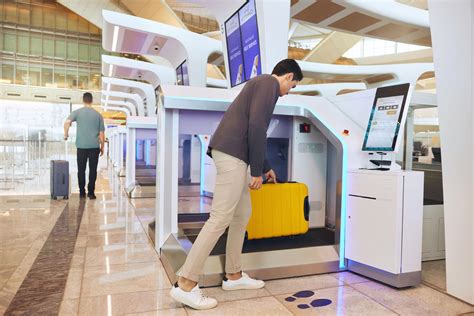
This approach balances customer service and operational efficiency. Airlines want to restore disrupted journeys while also filling empty seats that would otherwise generate no revenue.
During large-scale disruptions caused by weather, aircraft problems, or air traffic restrictions, airlines may use special rebooking procedures. These systems consider:
- Original itinerary
- Connection importance
- Time of disruption
- Destination availability
- Passenger priority category
The exact rules differ by airline, but passengers impacted by cancellations generally have stronger priority than travelers using standby purely for convenience.
This distinction explains why someone who arrives at the airport hoping for an earlier flight may watch another passenger receive a seat first, even if they joined the standby list later.
5. Airline Employees Follow a Completely Different Standby System
Many travelers know that airline employees receive flight benefits, but the reality is more complicated than simply receiving free seats. Airline employees typically travel through a separate system known as non-revenue standby, commonly shortened to “non-rev.”
Non-rev passengers do not hold traditional revenue tickets, meaning they only receive seats after paying passengers have been accommodated. Their priority depends on factors such as employment status, seniority, and reason for travel.
Airline employees may use standby benefits for personal trips, commuting, or family travel. However, they usually remain behind passengers who purchased tickets.
The non-rev system often includes several categories. Employees traveling for urgent company reasons receive higher priority, while personal travel and buddy passes receive lower priority.
A typical ranking structure may consider:
- Emergency employee travel
- Required company relocation
- Employee personal travel
- Retiree or family benefits
- Buddy pass travelers
One important exception involves deadheading crew members. Unlike regular non-rev travelers, deadheading pilots and flight attendants are traveling because the airline needs them at another location to operate a scheduled flight.
Because these crew members are essential to future operations, they may receive extremely high priority. In rare situations, airlines may even remove passengers from a flight to transport required crew members.
This can seem unfair to travelers, but from the airline’s perspective, moving crew is necessary to prevent larger disruptions affecting hundreds of passengers.
Why Understanding Airline Standby Priority Matters
Airline standby systems are designed to manage limited seats during unpredictable situations. Although the process may appear random from the passenger’s perspective, airlines rely on detailed ranking systems that balance loyalty, revenue protection, customer service, and operational needs.
The biggest mistake passengers make is assuming that arrival time alone determines success. In reality, elite status, ticket flexibility, disruption history, and airline-specific rules often matter far more than when a request was submitted.
Travelers can improve their chances by understanding their airline’s policies before problems occur. Choosing a fare with more flexibility, joining loyalty programs, and learning how same-day standby works can make a significant difference when flights become crowded.
The standby list may look like a simple waiting line, but behind every name is a complex calculation designed to decide who gets the next available seat.