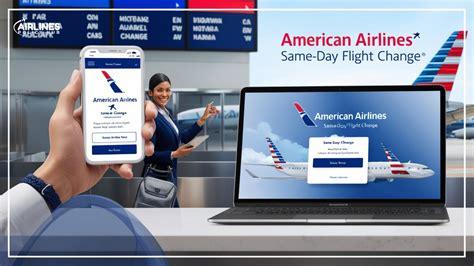
In a landmark shift reshaping the landscape of U.S. domestic travel, American Airlines has officially expanded its same-day standby access to all passengers, even those with checked baggage. Effective July 1, 2025, this update redefines how travelers adapt to shifting itineraries, tight connections, or unexpected schedule changes. Where once only elite AAdvantage members held the privilege of jumping on earlier flights, now every ticketed passenger can request to fly sooner—regardless of status or luggage.
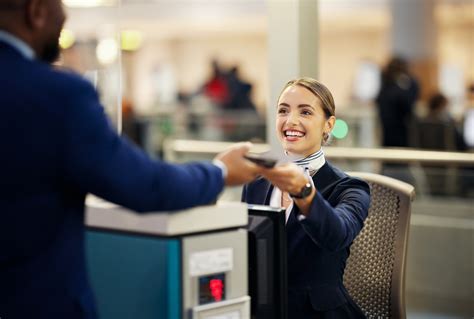
Breaking Down the Policy Shift: Same-Day Standby Reimagined
Historically, American Airlines’ same-day standby was riddled with limitations. Economy passengers without elite status faced cumbersome digital processes and barriers that prevented them from modifying travel plans, particularly if they had checked baggage. Under the new policy, those restrictions have been lifted.
Key highlights of the updated policy include:
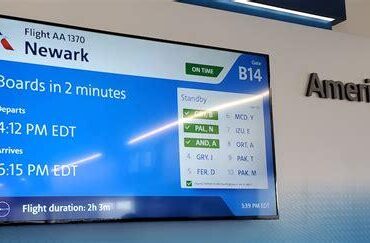
- All travelers can now request same-day standby at any domestic U.S. airport.
- Gate agents are empowered to assist, bypassing app or website-only restrictions.
- Passengers with checked bags can list for standby at least 45 minutes before departure.
- Elite flyers (Platinum Pro and above) maintain priority, including access up to 15 minutes before departure.
This human-centric approach allows travelers to handle changes in-person, especially when digital tools fall short due to real-time complications.
Empowering Non-Elite Travelers: Democratizing Flexibility
The update marks a pivotal moment in democratizing air travel flexibility. Before July 2025, the ability to adjust travel plans last-minute was largely a premium-tier benefit, reinforcing a system where only top-tier AAdvantage members could optimize travel during delays or early arrivals. The new approach recognizes that every passenger, regardless of status, faces similar travel disruptions and deserves equal opportunity to respond.
By doing so, American Airlines aligns itself with evolving consumer expectations: modern travelers want agility. Plans change. Meetings get canceled. Weather shifts rapidly. And passengers need the freedom to adapt.
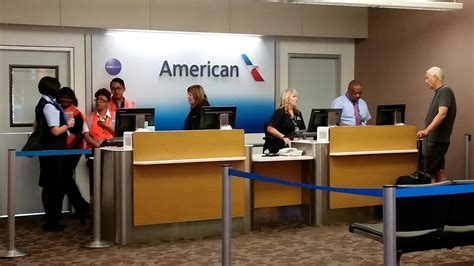
Human Agents Over Algorithms: A Return to Personalized Service
A notable feature of the revised system is its re-emphasis on gate agent discretion. For years, many travelers found American’s app-based standby system confusing or unreliable, especially during peak travel chaos. Now, face-to-face conversations with agents offer personalized assistance that digital tools can’t replicate.
Passengers can explain unique circumstances—missed connections, family emergencies, weather concerns—and gate agents can decide in real-time whether to help. This flexibility is invaluable, particularly for:
- Families with young children stuck in long layovers
- Business travelers hoping to make a meeting
- Leisure travelers eager to return home earlier
Still Domestic Only: Understanding the Boundaries
While the new policy is expansive, it does not apply to international flights. Travelers departing for or arriving from international destinations must still follow previous, more restrictive standby rules. Additionally, routing constraints remain:
- Passengers can’t alter their connecting cities.
- Only co-terminal swaps (e.g., PHX–LAX changed to PHX–SNA) are permitted—and only if no checked bags are involved.
Even with these boundaries, the policy offers far more breathing room than before.
Elite Benefits Remain Intact: Loyalty Still Has Its Perks
Importantly, American Airlines hasn’t abandoned its elite fliers. High-tier members still receive notable advantages under the new rules:
- ConciergeKey, Executive Platinum, and Platinum Pro members can list for standby as late as 15 minutes before departure.
- Same-Day Flight Change (SDFC)—offering confirmed seats instead of standby—remains free for elites, while starting at $60 for others.
This ensures that American maintains tiered loyalty incentives, without excluding non-elites from basic flexibility.
Why This Move Is a Strategic Win
The competitive nature of the U.S. airline industry means that any enhancement in customer experience resonates widely. Delays, cancellations, and missed flights are a fact of modern air travel. American’s expanded standby option delivers a lifeline for disrupted passengers and eases pressure on staff during operational crunches.
Additionally, allowing travelers with checked bags to pursue earlier flights represents a major logistical and customer service breakthrough. Baggage policies have traditionally anchored passengers to their scheduled flights. By dismantling this barrier, American sends a message: the passenger comes first.
Risks and Challenges: Checked Baggage Adds Complexity
Despite its benefits, the policy isn’t without operational risk. Rerouting checked bags to align with new passenger itineraries demands precise coordination. Mishandled luggage could undermine goodwill if not addressed proactively.
Gate agents will also bear increased decision-making pressure. Balancing fairness, capacity, and real-time logistics will require training and support. For the policy to succeed, American must continue investing in backend systems that track luggage seamlessly across changed itineraries.
What This Signals for the Industry’s Future
American’s move isn’t just about policy—it’s a statement of intent. It signals a post-pandemic realignment in airline priorities: adaptability, customer empowerment, and tech-human balance. If this gamble pays off in smoother operations and higher satisfaction, rival carriers will face pressure to implement similar reforms.
Southwest, United, and Delta are all monitoring closely. And if travelers begin favoring American due to its agility, expect industry-wide ripple effects.
Emotional Value: Restoring Control to the Traveler
For most passengers, flying is more than logistics—it’s emotional. A missed flight could mean a missed job interview, a loved one’s funeral, or a child’s graduation. Under the old system, travelers with checked bags and no status were left helpless.
Now, there’s hope at the gate. There’s a chance to salvage a ruined travel day. This shift restores a sense of autonomy in a setting where passengers often feel powerless. By granting everyday travelers more control, American Airlines strengthens its emotional contract with customers.
Final Thoughts: A Welcome Revolution in Flexibility
American Airlines’ expansion of same-day standby access marks a rare and welcome moment of customer-first policy in the airline industry. It levels the playing field by allowing all passengers—elite or not, with or without checked bags—to pursue more convenient flights.
This is not a trivial change. It is a strategic, emotional, and operational evolution that better reflects the realities of modern air travel. It also sets a benchmark for service standards in an era where flexibility is not optional—it is essential.
Whether it’s about beating a storm, making it to a milestone event, or just getting home sooner, American Airlines now gives every traveler a fair shot.
The skies just became a little more forgiving—and that could change everything.