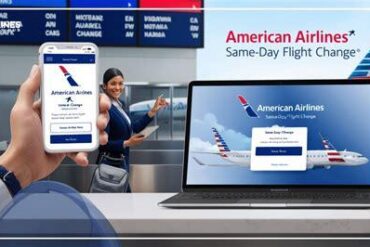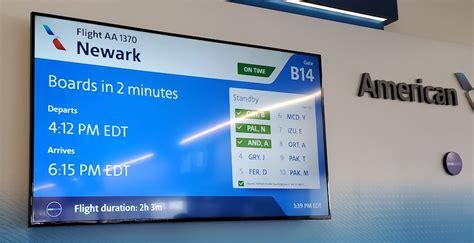
American Airlines has officially reversed course, restoring gate standby access for every domestic traveler without regard to loyalty status. This pivotal policy change, effective July 1, 2025, reunites human assistance with digital convenience and positions AA alongside United and Delta in delivering the ultimate travel safety net.
Since March 2024, American Airlines passengers faced a digital‑only standby system that confined all same‑day standby listings to mobile apps, websites, and kiosks. Non‑elite travelers often found themselves stranded at crowded gates when apps crashed or internet signals failed. As frustration mounted, the absence of gate agent support created a palpable sense of helplessness among the flying public.

A Major Shift as American Airlines Puts People First
In a bold move, AA’s leadership acknowledged that technology cannot fully replace the empathy and creativity of a trained gate agent. By reinstating in‑person standby assistance, American restores the human touch to travel operations. Passengers may now approach any gate agent to request a same‑day, same‑origin standby listing—no digital wizardry required.
Effective July 1, 2025, this policy applies across every domestic route. Loyalty members retain a slight edge: AAdvantage elites can list up to 15 minutes before departure, whereas all other passengers may list at any time prior to that cutoff. Crucially, no traveler is now excluded from seeking face‑to‑face help.
Travelers Once Left in the Lurch
When American first rolled out its digital‑only standby policy, it seemed like a forward‑thinking step. Yet the reality proved harsh. Passengers whose devices died, whose apps froze, or who encountered weak connectivity found themselves without recourse. They could neither request standby at the gate nor receive personalized troubleshooting, even in life‑or‑death scenarios like medical emergencies or family reunions.
Long queues formed at information desks, while gate agents were constrained by corporate edict. Flyers in Dallas/Fort Worth and New York JFK expressed outrage on social media, sharing stories of missed weddings, canceled meetings, and children delayed by hours. The digital experiment demonstrated that screen-based service has limits, especially under peak‑season stress.
The High Stakes of Standby
For many, standby represents more than a convenience—it’s a lifeline. Business travelers racing to critical meetings, families eager to reunite, and vacationers on tight itineraries rely on gate standby to save missed connections and capture earlier flights. Without it, travelers face cascading disruptions and skyrocketing rebooking fees.
The absence of human assistance turned simple schedule adjustments into high‑stakes gambles. In one documented case, a corporate executive at DFW missed an important presentation when his phone battery died mid‑standby request. Had a gate agent been available, he could have been listed manually, preserving both time and reputation.
American Airlines Listens to Its Customers
Under mounting pressure from consumer advocacy groups and social media campaigns, AA executives held listening sessions with frequent flyers and customer experience teams. Their conclusion was clear: passengers demanded a hybrid model that combines the speed of digital tools with the reliability of personal service.
By reinstating gate standby access, AA demonstrates that it values customer feedback over rigid process, acknowledging that real‑world travel often defies algorithmic solutions. This decision sends a message that travel corporations can adapt swiftly when the human element is at stake.
A Move to Match Industry Standards
With this policy reversal, American Airlines aligns itself with Delta and United, both of which maintained gate agent standby listings throughout the pandemic and beyond. Delta’s policy allows all flyers—except Basic Economy—to request standby in person, while United similarly empowers passengers to list without elite status, typically two hours before departure.
These carriers never wavered in preserving the human safety net. American’s late but decisive action closes the gap and eliminates a glaring inconsistency that had left its brand vulnerable to criticism. By matching industry standards, AA neutralizes a competitive disadvantage and reaffirms its commitment to traveler-centric service.
A Win for Travelers—and Airline Operations
Beyond customer relief, reinstating gate standby offers tangible operational benefits. Airlines contend with record‑high travel volumes—surpassing pre‑pandemic levels—and must navigate irregular operations driven by weather, staffing shortages, and mechanical issues. Gate standby helps recover empty seats and smooth passenger flows, reducing costly flight cancellations and rebooking workloads.
When travelers self-manage earlier connections through gate agents, planes depart fuller and crews stay on schedule. This operational agility translates into cost savings and enhanced reliability, reinforcing the airline’s bottom line while improving passenger satisfaction.
Gate Standby Revival: How Major US Airlines Are Putting Flexibility Back in Flyers’ Hands
As summer 2025 travel peaks, the reinstatement of gate standby marks a broader trend: airlines acknowledging that human problem-solving is irreplaceable. In moments when digital channels falter—battery failures, app crashes, or network outages—travelers crave the reassurance of a live person who can listen, empathize, and find creative solutions.
This revival of in‑person service overturns years of tech‑centric experiments, reaffirming that the optimal travel experience merges digital convenience with human expertise.
Delta Air Lines: The Consistent Leader in Passenger Flexibility
Delta Air Lines has long been hailed for its unwavering commitment to gate standby. Except for Basic Economy fares, all Delta passengers may approach a gate agent to request standby on any domestic or select international routes. This consistency has earned Delta loyalty from flyers who value flexibility and reliability.
Passengers report high satisfaction when gate agents proactively suggest standby options, mitigating stress during delays. Delta’s unwavering stance demonstrates that prioritizing the traveler’s needs fosters goodwill and repeat business.
United Airlines: Maintaining the Human Touch
United Airlines, too, preserved same‑day standby services throughout the pandemic. Passengers can list in person—usually two hours before scheduled departure—without needing elite status. United’s gate agents are empowered to assist with missed connections and accommodate last‑minute changes, ensuring that technology supplements but does not supplant human judgment.
This steadfast approach underscores a critical industry lesson: real‑time empathy and creative problem‑solving cannot be programmed into an app.
Why Gate Standby Matters Now More Than Ever
AAA forecasts more than 60 million Americans traveling for the Fourth of July holiday alone. With passenger volumes surging and weather‑related disruptions inevitable, gate standby emerges as a vital tool for maintaining network fluidity. Passengers armed with standby options can swiftly rebound from delays, minimizing knock‑on effects throughout the system.
Travelers juggling tight connections or urgent commitments no longer face the anxiety of watching screen refreshes—they can rely on a proactive gate agent to secure a seat and keep their journey on track.
A Strategic Business Move—Not Just Customer Service
Reinstating gate standby is as much a savvy operational strategy as it is a customer-centric gesture. By empowering gate agents to list travelers, AA unlocks new pathways for seat optimization and revenue recovery. Fewer empty seats mean higher load factors and improved yield management.
Moreover, American guards against brand erosion. In an era where a single viral complaint can snowball into reputational damage, offering robust standby options protects the airline’s social media presence and sustains loyalty across demographics.
Technology and Human Service Must Work Together
American Airlines continues to invest heavily in its mobile app, website, and backend systems. Digital tools remain indispensable for routine tasks: check‑in, mobile boarding passes, and basic rebookings. Yet, when complexity strikes—weather delays, cascading cancellations, or medical emergencies—human gate agents are the frontline troubleshooters.
The future of travel lies in blending algorithmic precision with human empathy, ensuring that every passenger feels heard, valued, and secure.
A Trend Toward Passenger‑Centric Service
Recent years have witnessed a seismic shift in traveler expectations. No longer content with one‑size‑fits‑all policies, customers demand personalized service, transparency, and flexibility—regardless of how often they fly. The reinstatement of gate standby exemplifies this trend, signaling that airlines recognize the importance of treating every passenger as a valued individual.
From loyalty programs to real‑time assistance, the travel industry is pivoting toward an era where customer experience reigns supreme.
Looking Ahead: The Future of Gate Standby
With gate standby access restored for all, American Airlines positions itself for sustained success amid growing travel demand. As skies become busier, the ability to quickly reassign seats and accommodate unexpected changes will differentiate market leaders from followers. Travelers now know that AA—and its peers—offer a human safety net that digital channels alone cannot provide.
This renewed focus on in‑person assistance may inspire further innovations in hybrid service models, combining AI‑driven insights with real‑world empathy.
The Real Human Impact
Behind every policy update lie the stories of travelers whose journeys hang in the balance. A parent rushing to join a sick child, an executive racing to close a deal, or a couple capturing precious vacation time—all benefit from gate standby. The simple act of a gate agent smiling, listening, and typing a name into a standby list can transform anxiety into relief and frustration into gratitude.
These personal victories reinforce the enduring power of human connection in an industry often dominated by screens and algorithms.
The Summer Travel Rush Raises the Stakes
Major hubs like Dallas/Fort Worth and New York JFK will experience unprecedented passenger volumes this summer. Road traffic forecasts from AAA warn of gridlock on highways, pushing more travelers to the skies. In this high‑pressure environment, gate standby becomes a critical pressure valve, absorbing shocks and streamlining passenger flows.
Airports equipped with robust standby procedures will see fewer bottlenecks and deliver smoother experiences for millions of travelers.
Digital Tools Still Matter—But So Does Human Help
American’s policy reversal does not diminish its digital investments; rather, it elevates them through strategic integration with human service. Mobile check‑in, real‑time flight tracking, and AI‑powered notifications remain essential. Yet, when life’s unpredictability strikes, nothing outperforms the judgment of a seasoned gate agent.
By balancing innovation with interpersonal care, AA crafts a travel experience that is both efficient and deeply reassuring.
What This Means for Travel Trends
Flexibility and responsiveness are emerging as the twin pillars of customer satisfaction. Travelers no longer tolerate opaque policies or rigid systems. Instead, they reward airlines that demonstrate agility, transparency, and a willingness to solve problems on their feet.
American Airlines’ gate standby reinstatement exemplifies this shift, proving that even legacy carriers can adapt swiftly to evolving passenger demands.
A Competitive Edge in Customer Loyalty
In a marketplace where loyalty is increasingly fluid, customer experience becomes the currency of choice. By decisively addressing passenger frustration, American stands to reclaim trust and loyalty from disenchanted flyers. Social media testimonials and word‑of‑mouth recommendations will amplify the impact of this policy change, potentially translating into increased market share.
Bold service moves like this can tip the scales in an industry defined by razor‑thin margins and fierce competition.
The Road Ahead for Airline Service
As travel volumes continue to climb, airlines will be judged not only on their network reach or fare competitiveness but on their capacity for real‑time problem‑solving. Gate agents, once viewed as cost centers, are now strategic assets—bridging the gap between technology and humanity.
The airlines that master this synergy will define the next generation of air travel.
A New Era for Standby Flyers
American Airlines’ policy reversal opens a new chapter in travel flexibility. Passengers can once again rely on face‑to‑face assistance when plans unravel, ensuring that missed connections or schedule changes no longer spell disaster. In an industry driven by complex systems and algorithms, this human‑centered approach stands out as a beacon of reliability.
Standby flyers can now plan with confidence, knowing that help is always just a gate agent away.
A Welcome Relief for Travelers
With gate standby access restored, travelers nationwide gain a critical safety net. Whether escaping airport delays, seizing earlier departures, or recovering from unforeseen disruptions, passengers now enjoy the reassurance of real‑time, human support. As summer travel peaks, this policy change may well set a new standard for customer service across the industry.
In the high‑stakes world of air travel, the simple act of enabling gate standby for all flyers may prove to be the most powerful competitive edge of all.