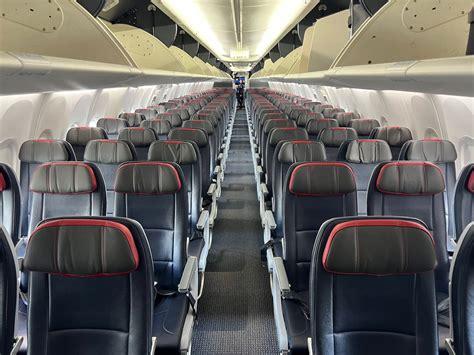
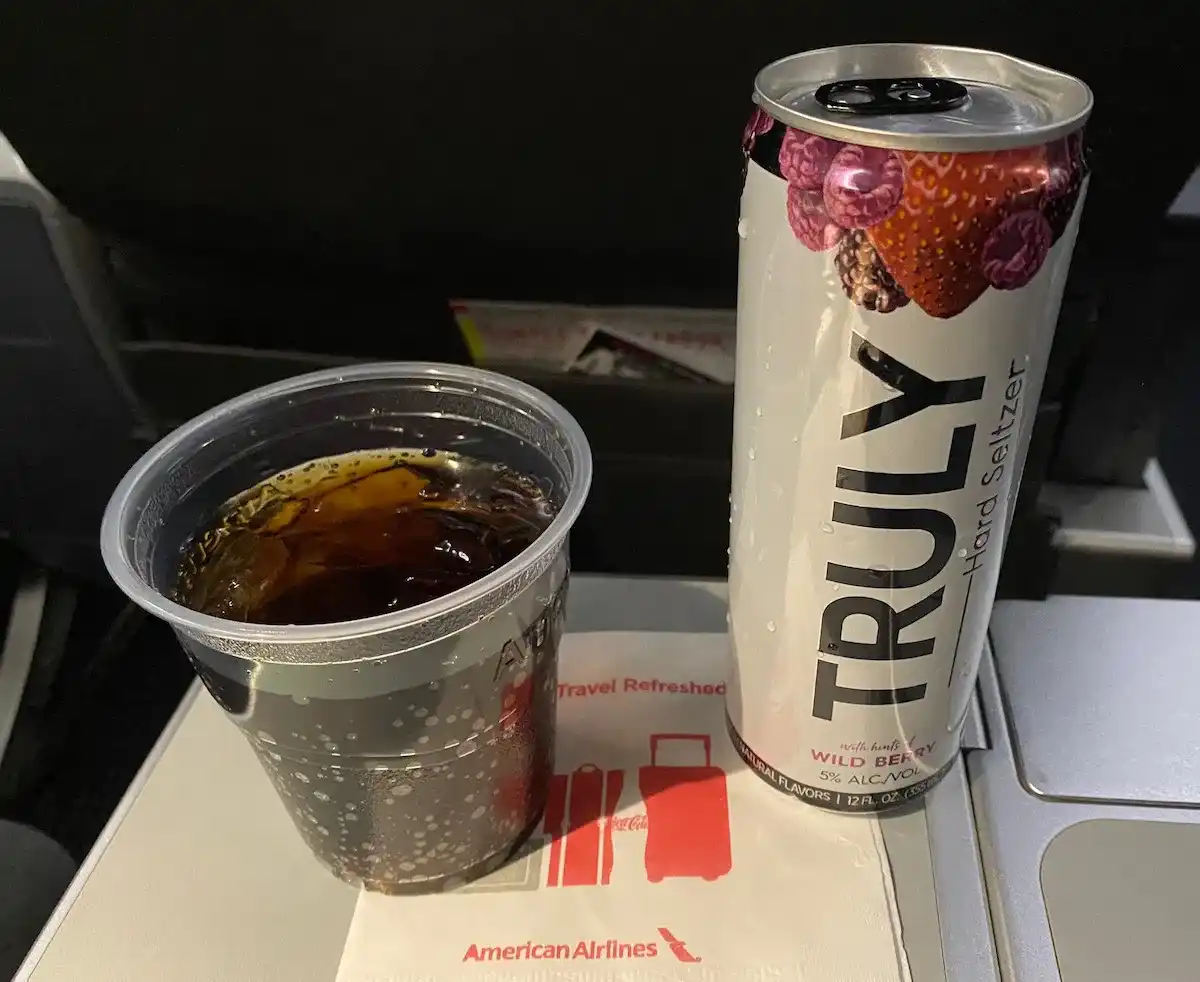
After months of cost-cutting adjustments that drew criticism from both passengers and employees, American Airlines has announced the return of a long-missed amenity: a second beverage service in economy class on select domestic routes. As of May 14, 2025, this expanded service will be available on all domestic flights over 1,500 miles, marking a subtle yet welcome shift in the airline’s inflight experience strategy.
A Long-Awaited Step Toward Passenger Satisfaction
For travelers who frequently fly long-haul domestic routes with American Airlines, the reintroduction of a second beverage round is a significant improvement. Previously, the airline reduced the service to a single beverage pass, with any additional requests requiring passengers to proactively ask crew members. This move, thinly veiled as a pandemic-era adjustment and later quietly maintained, was widely viewed as a cost-saving measure designed to curb both labor intensity and catering expenditures.
The new policy reflects a modest course correction. While the airline hasn’t returned to the full-service model seen prior to the pandemic, this reinstatement suggests that customer experience metrics and feedback are beginning to influence decision-making once again.
American Airlines released a carefully worded statement highlighting their aim to “enhance the customer experience throughout the travel journey.” According to the airline, the decision to revive the second beverage service is directly informed by passenger feedback and signals a broader initiative to “add more value” to the customer journey.
International Routes Get Pre-Meal Beverage Service Back
In addition to the changes on domestic flights, American is also reviving pre-meal beverage service on select international flights. Specifically, long-haul international departures scheduled before 9:01 PM local time will now feature a dedicated drink service prior to the main meal, breaking the monotony of the all-in-one tray drop-off approach.
This change realigns American with the practices of more premium-oriented carriers and demonstrates an intent to elevate the economy cabin experience, even if incrementally. It’s worth noting that this modification only applies to flights departing before the cutoff time, meaning red-eye or ultra-late departures may still follow the more streamlined service protocol.
A Broader Shift in Strategy Amid Customer Frustration
This move does not exist in isolation. In recent months, American Airlines appears to be undergoing a slow recalibration of its customer service philosophy. After years of aggressive cost-cutting—most notoriously symbolized by the historic olive-removal anecdote—the airline now seems to recognize that passenger goodwill cannot be an afterthought.
From beverage services to flight connection holds for delayed travelers, American has been making subtle but pointed changes. Though modest in cost and effort, these changes significantly impact customer perception and loyalty, especially in a fiercely competitive domestic market.
It’s also notable that these adjustments are arriving in parallel with American’s labor renegotiations and executive declarations about investing in people. Recent contracts have secured large raises for frontline employees, yet passengers and analysts alike question whether those investments are yielding tangible improvements in service.
Service Culture Still Lags Behind Competitors
While reinstating drink service is a step forward, American’s service culture remains a major stumbling block. Frequent travelers continue to report lackluster attitudes, inconsistent communication, and an overall absence of empowerment among crew members, especially during irregular operations such as delays and cancellations.
Critics argue that the issue isn’t just with the front-line employees themselves, but with a top-down management philosophy that has long wavered between being customer-centric and profit-driven. When corporate messaging oscillates between “premium airline” and “the schedule is the product,” the result is a confused workforce and a disjointed customer experience.
The Competitive Landscape: American vs. Delta and United
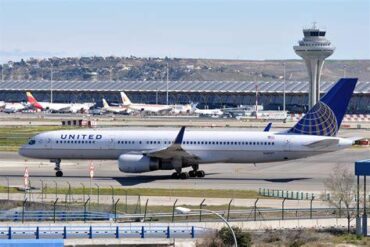
Despite these improvements, American remains a distant third when it comes to overall customer satisfaction compared to Delta Air Lines and, increasingly, United Airlines. Delta’s investment in consistent service training, upgraded seatback entertainment, and proactive problem resolution continues to elevate its reputation, making it the benchmark for full-service carriers in the United States.
United, too, has focused on premium cabin upgrades and fleet modernization, creating clear tiers of service differentiation that American has yet to fully match. While American does lead in specific operational areas—like the size of its route network—it struggles to create a consistently positive emotional connection with passengers.
The restoration of drink service alone is not enough to elevate American’s standing, but it does suggest the airline is slowly re-aligning with industry standards.
Operational Considerations: Impact on Cabin Crew
One area of tension remains behind the scenes: flight attendant response to the change. While customers may celebrate the return of drink refills, the added workload—without corresponding staffing increases—has raised concerns among crew members. The airline industry continues to deal with labor fatigue and scheduling complexities, and adding service expectations without adjusting support can backfire internally.
Sources from within American’s cabin crew ranks suggest that many employees feel overstretched, especially on long domestic legs where turnaround times are tight. Without further investments in training, scheduling flexibility, or even automation of certain tasks, such service additions may contribute to internal friction.
The Path Forward: Small Wins, Larger Goals
The decision to reinstate beverage services must be seen as a symbolic gesture. It’s not just about giving passengers a second drink—it’s about signaling that American is at least listening again. After years of pushing passengers toward a no-frills model, the airline now appears to be course-correcting, one small fix at a time.
Yet, if American wants to genuinely compete at the top tier of air travel, this must be the beginning of a broader strategic reinvention. It will take more than ginger ale refills and meal trays to reverse years of cost-focused degradation.
The airline must invest not only in hard product improvements, such as in-seat power, Wi-Fi reliability, and inflight entertainment, but also in employee engagement and service consistency. Without both sides of that equation, isolated enhancements will ring hollow.
Final Thoughts: A Welcome but Incomplete Return
To be clear, the reinstatement of a second beverage service is a small but important step in improving customer satisfaction and brand perception. It doesn’t fundamentally change the experience, but it suggests American Airlines is once again considering passenger comfort as part of the value proposition.
Whether this move is part of a larger shift toward renewed service excellence—or merely a response to declining passenger satisfaction metrics—remains to be seen. However, for passengers flying over 1,500 miles, the ability to enjoy a second drink without needing to flag down a flight attendant might just make the journey a bit more pleasant.
As American Airlines continues to balance profitability with premium positioning, small details like this will shape its trajectory. After all, in the competitive skies, every drop counts.