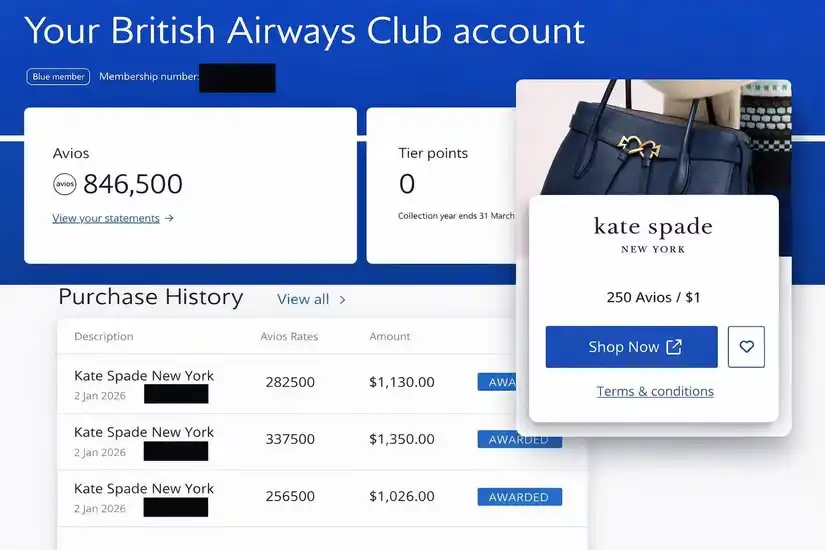
The world of airline loyalty programs occasionally produces strange little economic anomalies—moments where the rules of travel rewards bend just enough for a sharp-eyed traveler to walk away with extraordinary value. In early January, one such anomaly erupted inside the British Airways US shopping portal, where a brief but spectacular earning rate appeared for purchases at Kate Spade. What began as a suspected glitch quickly transformed into one of the most lucrative travel-hacking windfalls in recent memory.
Within days, travelers realized that what looked like a mistake—250 Avios per dollar spent—was actually tracking in the system. Those willing to take the calculated gamble discovered that buying designer handbags could generate a mountain of airline miles. For one particularly successful participant, roughly $3,500 in handbag purchases produced 846,500 Avios, enough to unlock years of premium travel.
The episode spread rapidly through online loyalty forums and social media circles, turning a niche portal promotion into a full-blown phenomenon among points collectors and travel hackers. The stakes were high, the numbers almost unbelievable, and yet—week by week—the rewards kept posting.
The 250 Avios-Per-Dollar Promotion That Shocked the Travel World
British Airways operates a shopping portal similar to many airline mileage malls. The concept is straightforward: customers click through the airline’s portal before making purchases at partner retailers and earn Avios points based on the amount spent.
Typically, these promotions offer modest bonuses—perhaps 2 to 10 Avios per dollar depending on the retailer. Occasionally a seasonal promotion might push the figure to 20 or even 30 Avios per dollar, which already qualifies as an unusually strong return in loyalty-program terms.
The 250 Avios per dollar rate that appeared for Kate Spade on January 2, however, was something else entirely.
At that multiplier, a simple $100 purchase would theoretically generate 25,000 Avios, a quantity that normally requires multiple flights to accumulate. To experienced travel hackers, the math immediately signaled a likely pricing or configuration error inside the portal’s promotional system.
Yet the mechanism itself was legitimate. Users only needed to:
- Click through the British Airways shopping portal
- Purchase eligible Kate Spade handbags or accessories
- Wait for the Avios to track and eventually post
The opportunity window was brief, but it was long enough for a wave of opportunistic buyers to jump in.
The $3,500 Shopping Spree That Produced 846,500 Avios
Among the participants, one traveler emerged as the most visible example of the promotion’s extraordinary upside. According to reports shared by Resell Calendar and circulated on social platform X, the individual made three Kate Spade purchases totaling roughly $3,500 through the portal.
When the tracking data eventually appeared, the results were staggering.
The account showed 846,500 Avios credited, an amount large enough to transform a simple shopping experiment into a massive travel balance.
Last month British Airways had a promo that gave rewards members 250 points per dollar spent at Kate Spade.
Guy in RC bought $3,500 worth of purses and got 846,500 points.
That’s enough points for 40 LA -> Hawaii flights, or $25-60k worth of first class international travel. pic.twitter.com/lDiO0g8fnE
— RC (@ResellCalendar) March 6, 2026
To appreciate the scale of this windfall, consider that many airline customers spend years collecting fewer than 100,000 miles through flights, credit cards, and promotions. Suddenly receiving nearly 850,000 Avios from retail purchases represents a loyalty jackpot rarely seen in the industry.
Importantly, the traveler was not alone. Multiple participants reported earning hundreds of thousands of Avios after making similar purchases during the brief promotion window. The numbers varied depending on spending levels, but the pattern was consistent: the system appeared to be honoring the massive earning multiplier.
Why the Risk Was Surprisingly Low
Travel hacking often involves uncertainty. Mistake fares may be canceled, award bookings sometimes get reversed, and loyalty programs occasionally retract points generated by obvious system errors.
What made the British Airways–Kate Spade promotion unusual was the limited financial downside.
Kate Spade’s 30-day return policy created a built-in safety net. Buyers could theoretically purchase the handbags, wait to see if the Avios posted, and return the merchandise if the points never appeared.
In effect, participants were wagering little more than temporary cash flow. The potential reward—hundreds of thousands of airline miles—dramatically outweighed the inconvenience of processing a return.
By late January, early signals suggested the gamble might pay off. Accounts began showing the Avios as “pending,” indicating that the transactions had tracked correctly within the British Airways system.
Then, weeks later, the final confirmation arrived.
The Avios officially posted to member accounts, cementing one of the most remarkable loyalty-program windfalls in years.
What 846,500 Avios Can Actually Buy
The sheer number of points sounds impressive, but the real story lies in what those points can unlock within the British Airways Avios redemption system.
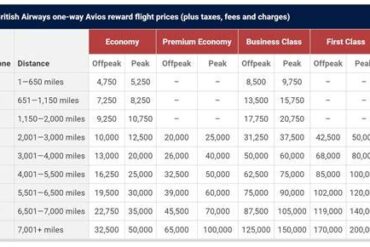
Using current reward examples published by the airline, a balance of 846,500 Avios opens the door to a vast range of travel possibilities.
For short-haul routes within Europe, such as London Heathrow to Geneva, award flights begin at roughly 10,000 Avios in economy or 16,500 in business class. At that rate, the balance could cover dozens of trips across the continent.
Long-haul travel is where the value becomes even more dramatic.
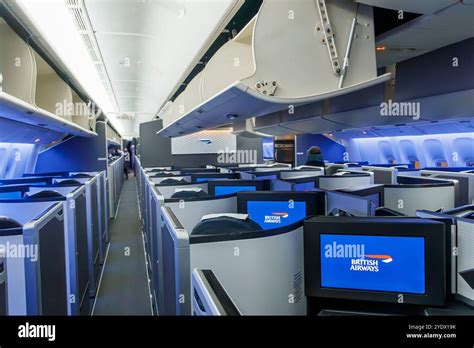
A typical one-way redemption from London to New York JFK costs approximately:
- 27,500 Avios in economy
- 46,750 Avios in premium economy
- 88,000 Avios in business class (Club World)
With 846,500 Avios, travelers could theoretically book:
- 84 short-haul economy flights
- 15 round-trip long-haul economy journeys
- About five round-trip long-haul flights in business class
Those numbers only reflect British Airways flights themselves. The Avios currency becomes even more flexible when used across the oneworld alliance network.
Why Avios Become Even More Valuable on Partner Airlines
British Airways Avios are not confined to one airline. They can also be redeemed with oneworld partners, including American Airlines, Alaska Airlines, Qantas, and Cathay Pacific.
For travelers based in the United States—the primary participants in the Kate Spade promotion—this dramatically expands redemption opportunities.
Instead of flying through London, many Avios collectors choose partner routes that offer lower surcharges and stronger redemption value.
For example, American Airlines award charts allow efficient redemptions for domestic and regional flights. Alaska Airlines also provides attractive pricing for routes to Hawaii and the West Coast.
Some travel hackers have estimated that a balance of 846,500 Avios could fund dozens of flights across North America or potentially 40 separate trips to Hawaii when redeemed strategically.
When measured against typical cash fares—especially in premium cabins—the total redemption value can easily climb beyond $50,000 worth of travel.
Why British Airways Honoring the Deal Matters
The most surprising aspect of the story may be that British Airways appears to have honored the promotion in full.
Airlines frequently cancel or reverse transactions tied to obvious system mistakes. In many previous loyalty-program glitches, the rewards were clawed back after being identified as errors.
Yet in this case, the Avios posted without widespread reversals.
That decision effectively transformed a brief technical anomaly into a historic loyalty-program event. Participants who moved quickly—and had the confidence to hold their purchases while the points processed—ended up with extraordinary travel balances.
The story also highlights a broader truth about the strange micro-economies of airline loyalty programs. These systems are complex digital marketplaces built on dynamic pricing, promotional algorithms, and retail partnerships. When one parameter shifts unexpectedly, the results can be spectacular.
How This Travel Hack Compares With Other Airline Mistakes
Airline pricing errors occasionally generate headlines, but few match the scale and structure of the British Airways shopping-portal glitch.
Recent examples illustrate the range of similar anomalies:
- JetBlue briefly published round-trip flights to major European cities for about $218, far below market prices.
- Delta Air Lines accidentally offered premium economy tickets to Madrid for just over $500, cheaper than many economy fares.
- Air France–KLM’s Flying Blue program once released business-class awards for as little as 1,500 points, though many of those bookings were eventually canceled.
Most mistake fares vanish within minutes and often come with uncertain outcomes.
The Kate Spade portal event was different. The opportunity lasted long enough for many participants to act, the financial risk was relatively small due to return policies, and—most importantly—the airline ultimately allowed the rewards to stand.
That rare combination of huge upside, limited downside, and confirmed payouts is why the episode will likely remain legendary among travel hackers.
A few handbags quietly purchased through a shopping portal evolved into a treasure trove of airline miles. In the strange, game-like universe of loyalty programs, it serves as a reminder that sometimes the most valuable flights in the world begin not at an airport—but in a retail checkout cart.