Asia’s domestic aviation landscape presents a remarkable paradox: flights operating entirely within national borders yet spanning distances equal to transcontinental journeys. The enormity of nations such as Russia, China, India, and Indonesia has created internal corridors that stretch beyond 3,000 miles, demanding aircraft endurance, crew precision, and long-range operational discipline. These routes redefine the conventional expectation that domestic flights are brief hops, instead revealing a web of far-reaching air bridges that sustain economic activity, population mobility, and territorial cohesion.
The length of these journeys reflects not only geographic breadth but strategic necessity. Many of these routes link remote territories with political, financial, or transport hubs, ensuring that communities separated by thousands of miles remain tied to national infrastructure. As a result, these long internal corridors have become vital arteries in the aviation ecosystem, supported by modern narrowbodies that have steadily improved in range, efficiency, and reliability.
Russia’s 3,000-Mile Domestic Champions
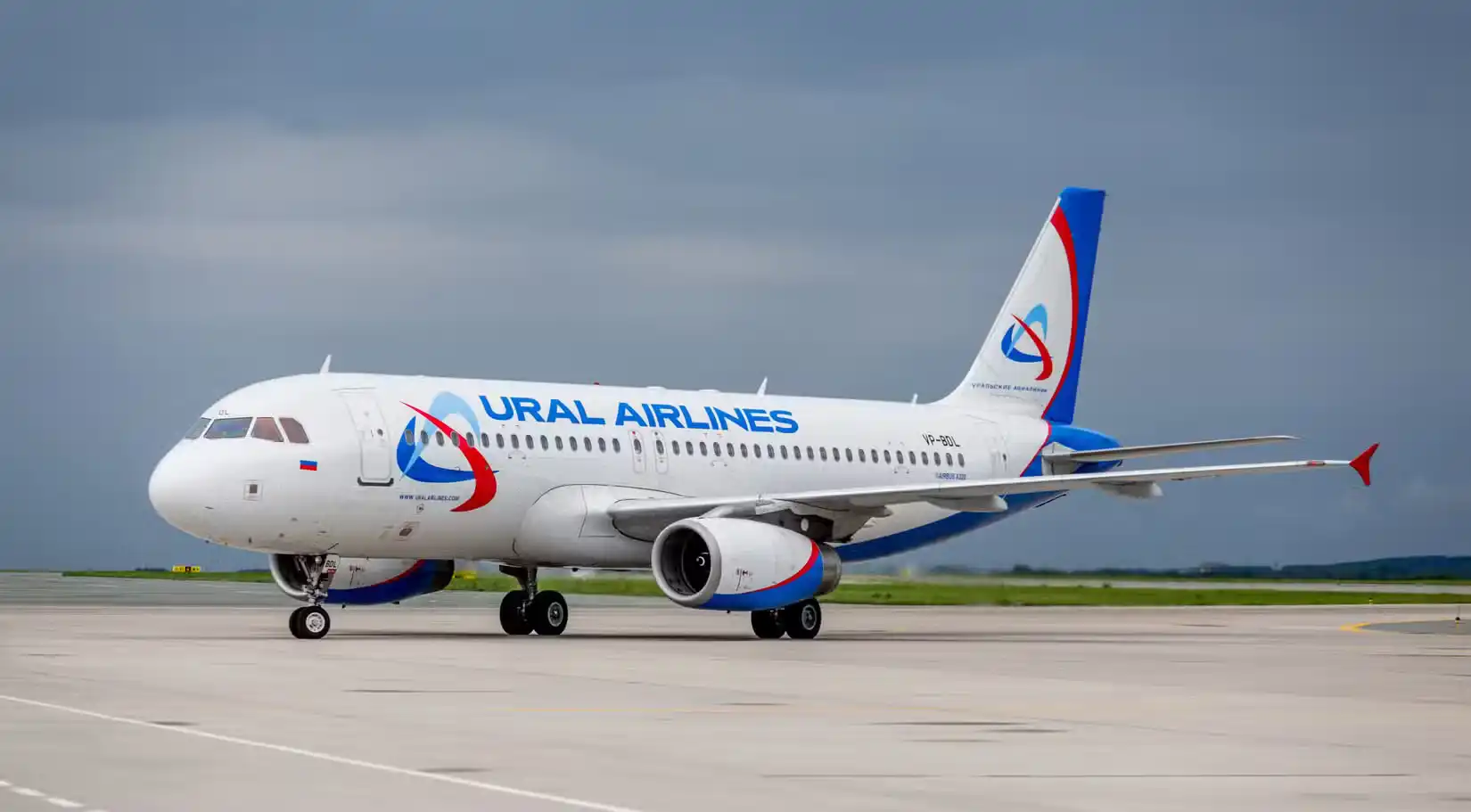
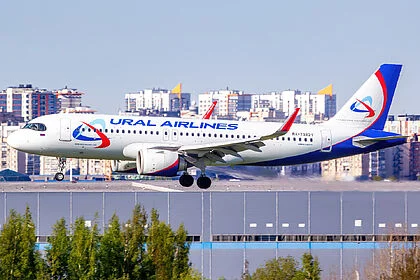
Russia stands alone in Asia—and the world—when it comes to ultra-long domestic travel distances. The two routes surpassing the 3,000-mile threshold connect the Ural region with the far reaches of the Russian Far East. The longest among them, Yekaterinburg to Vladivostok, runs an extraordinary 3,147 miles (5,065 km). Ural Airlines maintains daily service using Airbus A320 aircraft, demonstrating the narrowbody’s versatility on routes traditionally executed by widebody equipment.
Flying westbound toward Yekaterinburg often exceeds seven hours of block time, transforming a domestic journey into a marathon leg familiar to long-haul international travelers. Ural Airlines also operates the slightly shorter—but still immense—Yekaterinburg to Khabarovsk route, covering 3,021 miles (4,862 km). Both routes are primarily operated by A320neos, though legacy A320-200s still appear in rotation. The endurance of the CFM56 engines powering the older variants reinforces their reputation as workhorses capable of handling rigorous schedules over vast expanses.
The importance of these routes extends beyond passenger transport. They serve as physical links between European Russia and distant Pacific regions, demonstrating how aviation forms a binding force in a nation defined by immense spatial diversity.
China’s Long Internal Crossings From Coast to Desert
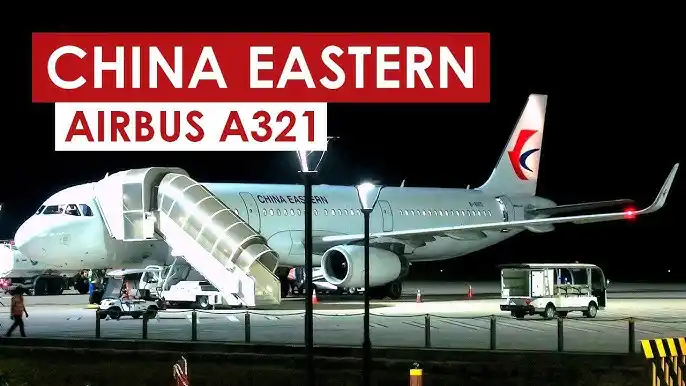
China, Asia’s second-largest country by land area, also operates domestic routes that approach intercontinental length. The longest nonstop domestic flight this season stretches from Shanghai Pudong to Kashi in the Xinjiang Uygur Autonomous Region, covering 2,620 miles (4,216 km). This corridor connects the nation’s booming east-coast economic powerhouse with one of its most remote western regions.
China Eastern and China Southern share responsibility for maintaining this essential airway. China Eastern deploys a mix of Airbus A321s and Boeing 737s on daily service, with some flights scheduled at more than seven hours depending on winds and operational conditions. China Southern’s contribution, though less frequent, uses the Boeing 737 MAX 8 twice weekly. Flying westbound to Kashi can exceed seven hours, illustrating the challenges of crossing the breadth of China’s diverse terrain.
This route underscores China’s ongoing commitment to linking major metropolitan hubs with frontier territories. Such flights sustain economic initiatives, support regional integration policies, and ensure that remote communities remain within reach of national markets and administrative resources.
India’s Northern Capital to Island Frontier
India’s internal geography presents a distinctive challenge. While not as wide as Russia or China, India stretches across a vast latitudinal band and governs distant island territories. Its longest scheduled domestic route today spans 1,542 miles (2,482 km), linking New Delhi with Veer Savarkar International Airport in the Andaman and Nicobar Islands.
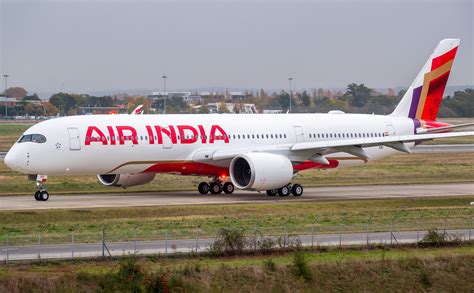
This route runs from the political core of the nation to one of its most strategically important archipelagos. Air India and Air India Express operate the corridor using Airbus A320neo aircraft, offering a blend of fuel efficiency and performance suited to this lengthy over-water journey. The operation symbolizes a vital bridge between mainland India and its maritime boundaries, where aviation serves as both an economic enabler and logistical lifeline.
Indonesia’s Island-Spanning Epic
Indonesia’s geography is uniquely fragmented, stretching across a sweeping chain of islands that collectively produce one of Asia’s longest domestic routes: the 2,347-mile (3,777 km) connection between Jakarta and Jayapura. Despite Indonesia ranking lower in total land area than India, its extreme east-west spread results in a domestic flight length that surpasses India’s longest by a significant margin.
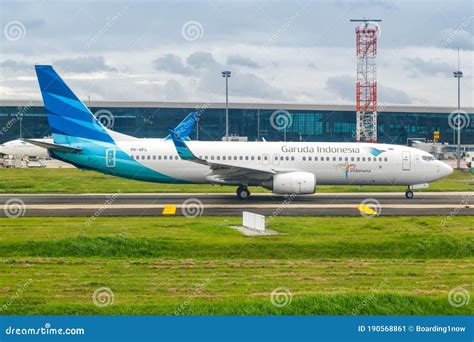
Garuda Indonesia and Batik Air maintain consistent daily operations on this demanding corridor, relying on Boeing 737-800 aircraft. The route demonstrates the crucial role aviation plays in unifying the Indonesian archipelago, where distances and maritime barriers leave few alternatives for timely movement of people, goods, or government services.
From coastal Java to the rugged landscapes of Papua, this corridor exemplifies the country’s reliance on aviation to maintain national cohesion across seas, islands, and vast cultural landscapes.
The Enduring Significance of Ultra-Long Domestic Routes
Asia’s longest domestic flights illuminate a deeper truth about aviation on the continent: air travel is not merely a convenience but a structural necessity. These internal routes create dependable links between centers of power and far-flung territories, facilitate economic development, and ensure continuity across political, cultural, and geographic divides.
As aircraft technology evolves, enabling longer range and improved fuel efficiency, these routes will continue to strengthen national connectivity. Their endurance reflects Asia’s intricate physical and social landscapes, where aviation remains the most effective bridge over thousands of miles.