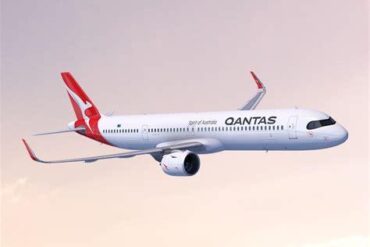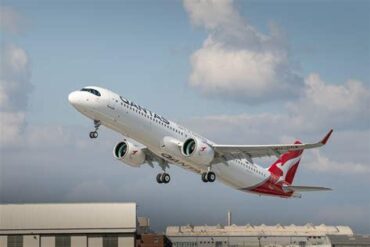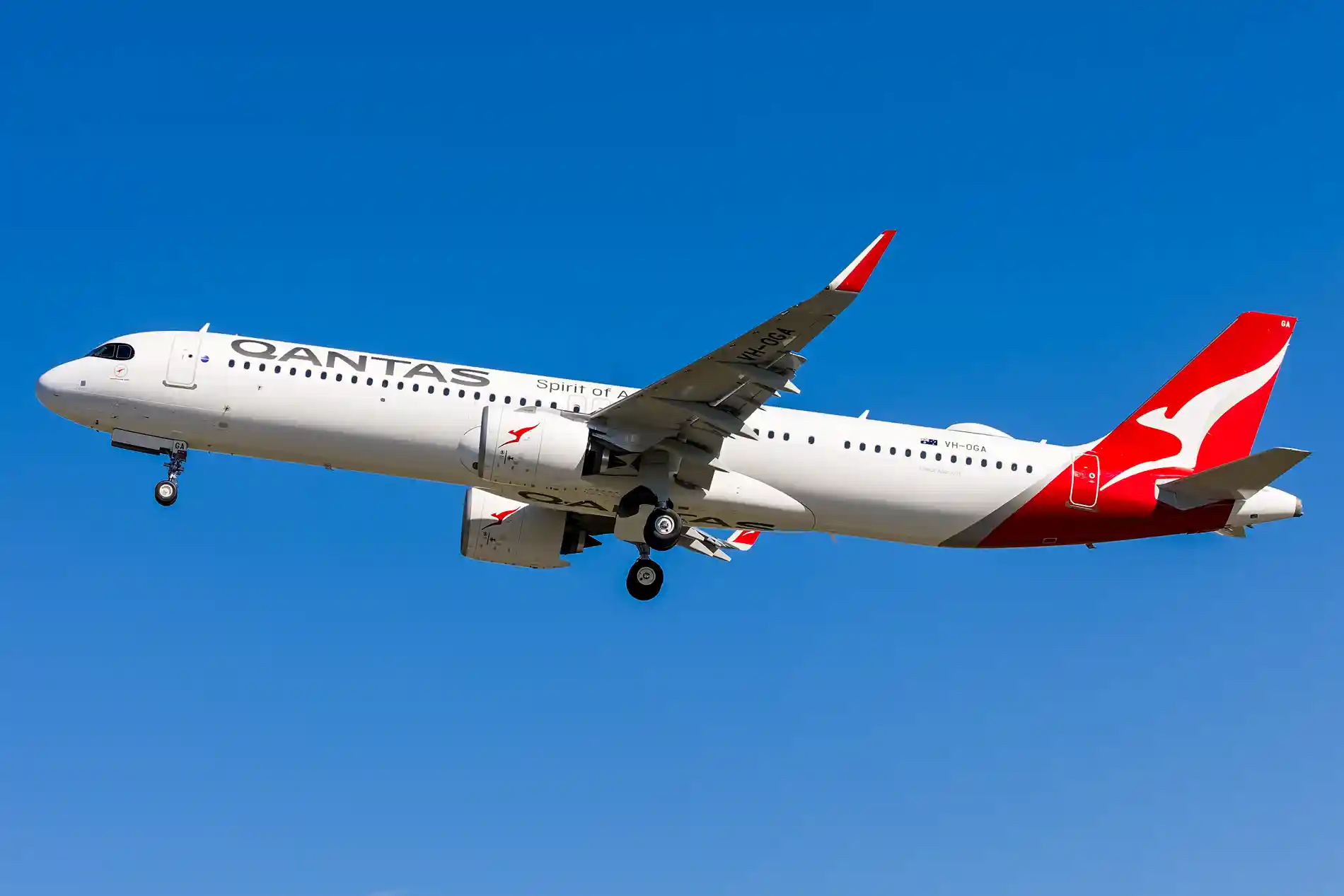
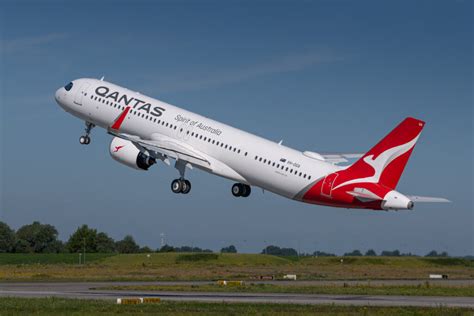
Australia’s national carrier Qantas has taken a bold leap into the future of aviation by officially becoming the first airline in the Asia-Pacific region to operate the groundbreaking Airbus A321XLR, marking a pivotal milestone in long-range narrowbody travel. This achievement underscores Qantas’ commitment to modernizing its fleet, improving fuel efficiency, and expanding its operational capabilities across both domestic and regional international routes.
The newly delivered aircraft, part of the next-generation A320neo family, landed in Sydney following a meticulously planned delivery flight from Airbus’ production site in Finkenwerder, Hamburg, with only a single stop in Bangkok for crew rest—a feat that speaks volumes about the aircraft’s impressive endurance.
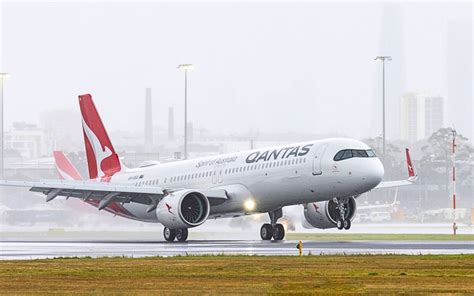
The Airbus A321XLR: A Game-Changer for Qantas’ Fleet and Route Network
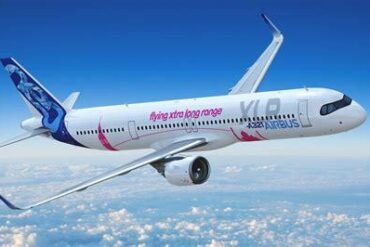
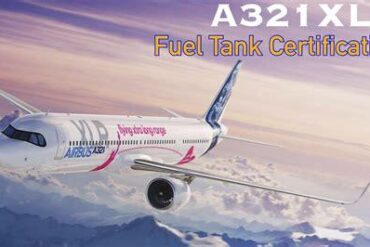
The Airbus A321XLR, short for ‘Extra Long Range,’ is poised to redefine expectations for narrowbody aircraft. With an extraordinary range of up to 4,700 nautical miles (8,700 kilometers) and a design focused on fuel efficiency, the A321XLR offers airlines like Qantas the opportunity to bridge the gap between narrowbody economics and widebody performance.
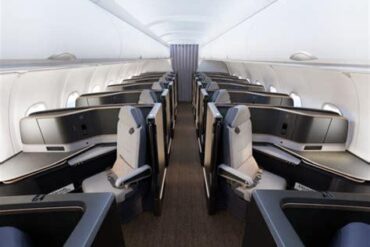
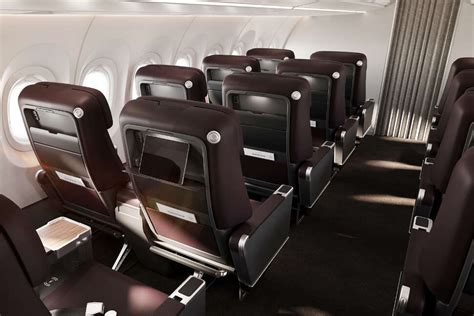
Qantas has configured its inaugural A321XLR with a two-class cabin, offering 20 Business Class seats and 177 Economy seats, ensuring a premium onboard experience even on longer flights. This layout optimally balances capacity, comfort, and operational efficiency, enabling the aircraft to serve Australia’s busiest domestic routes while unlocking new possibilities across Asia and the Pacific.
A Strategic Asset in Qantas’ Fleet Modernization Drive
This aircraft delivery is more than just another addition to Qantas’ growing fleet; it represents a cornerstone of the airline’s ambitious fleet renewal strategy, designed to improve efficiency, sustainability, and long-term competitiveness. Qantas Group has placed orders for 40 A321XLR aircraft, with 28 allocated to mainline Qantas operations and 12 designated for its low-cost subsidiary, Jetstar.
These orders form part of a broader investment, including 128 single-aisle aircraft and 24 Airbus A350-1000s, aimed at replacing older, less efficient planes. By integrating these cutting-edge jets, Qantas expects to reduce fuel consumption, lower operational costs, and minimize the airline’s environmental footprint.
Powering Efficiency: Pratt & Whitney’s Advanced GTF Engines
At the heart of the A321XLR’s performance lies the Pratt & Whitney Geared Turbofan (GTF) engines, which deliver substantial fuel savings and quieter operations. These state-of-the-art engines contribute to an up to 30% reduction in fuel burn and CO₂ emissions compared to previous-generation narrowbody aircraft, aligning with global efforts to achieve more sustainable aviation.
Furthermore, the A321XLR is certified to operate on blends containing up to 50% Sustainable Aviation Fuel (SAF), with Airbus targeting full compatibility with 100% SAF by 2030. This technological leap supports Qantas’ broader decarbonization initiatives and underscores the airline’s position as a sustainability leader within the region.
Unlocking New Routes: Bridging Domestic and Regional Markets
The A321XLR’s extended range empowers Qantas to introduce new point-to-point services previously unviable for narrowbody aircraft, particularly on so-called “thin routes” with moderate passenger demand. These routes often lacked sufficient traffic to justify larger widebody jets but are now within reach, thanks to the A321XLR’s capabilities.
Potential non-stop connections from major Australian hubs such as Brisbane, Melbourne, or Perth to secondary Asian cities like Bali, Ho Chi Minh City, or Manila exemplify the aircraft’s flexibility. This not only boosts Qantas’ ability to cater to evolving travel patterns but also strengthens its regional footprint without incurring the high operational costs typically associated with widebody aircraft.
Meeting the Demand for Direct, Fuel-Efficient Travel
In a post-pandemic aviation landscape, passenger preferences have shifted dramatically toward direct, point-to-point travel, reducing the need for connections and layovers. The A321XLR directly addresses this demand, offering both operational efficiency and enhanced passenger convenience.
Globally, the A321XLR has proven to be a market success, with over 500 orders from airlines seeking to capitalize on its unmatched combination of range, capacity, and efficiency. For Qantas, this aircraft becomes a key enabler in offering competitive, sustainable, and profitable services across Australia and into Asia.
Passenger Comfort Elevated: The Qantas A321XLR Experience
Beyond its technical advancements, the A321XLR elevates the onboard experience for Qantas passengers. The cabin features wider seats, larger overhead bins, modern inflight entertainment systems, and advanced connectivity options, ensuring passengers enjoy a comfortable journey even on longer flights.
For business travelers, the aircraft’s dedicated 20-seat Business Class cabin provides premium seating, enhanced privacy, and superior service—characteristics traditionally reserved for widebody jets, now available on narrowbody aircraft thanks to the A321XLR.
Deploying the aircraft initially on domestic routes allows Qantas to streamline operations, crew training, and maintenance while preparing for its gradual introduction to international services. This phased approach ensures seamless integration and maximizes the aircraft’s potential across the network.
Sustainability at the Core of Qantas’ Future
Qantas’ investment in the A321XLR aligns with its broader sustainability targets, including reducing carbon emissions and advancing the use of alternative fuels. The airline has committed to achieving net-zero emissions by 2050, with intermediate goals focused on increased SAF utilization, fleet modernization, and operational efficiency.
The A321XLR plays a crucial role in achieving these targets by delivering significant fuel savings and reduced greenhouse gas emissions, all while maintaining the flexibility needed to serve diverse routes and markets.
Looking Ahead: Qantas Leads Asia-Pacific Aviation Innovation
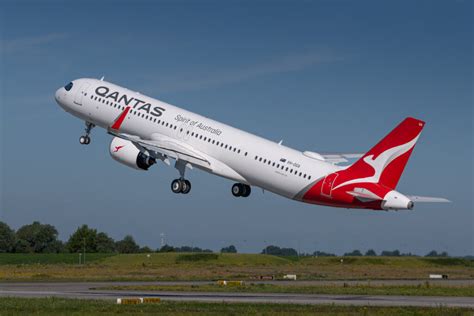
By becoming the first Asia-Pacific airline to operate the Airbus A321XLR, Qantas reinforces its leadership in aviation innovation, fleet modernization, and environmental stewardship. The aircraft’s unique blend of extended range, fuel efficiency, and passenger comfort represents a paradigm shift in how airlines approach network expansion and sustainability.
This strategic move positions Qantas to meet rising demand for direct, long-range narrowbody travel, bridging Australia with key destinations across Asia and the Pacific. Coupled with its forthcoming Airbus A350-1000 deliveries, Qantas is building one of the most modern, efficient, and environmentally conscious fleets in the world.
As travelers increasingly prioritize direct connections, lower carbon footprints, and premium onboard experiences, the A321XLR ensures Qantas remains at the forefront of meeting these expectations—redefining what’s possible for narrowbody aircraft in the twenty-first century.