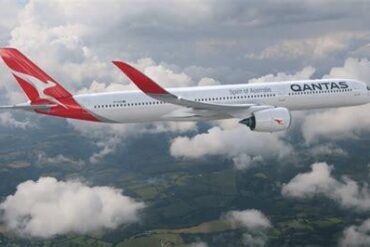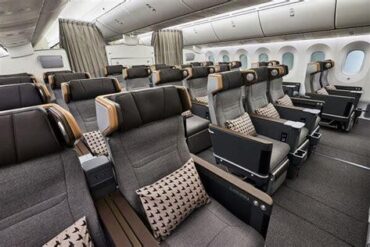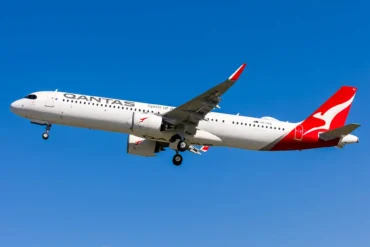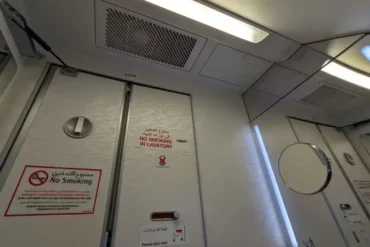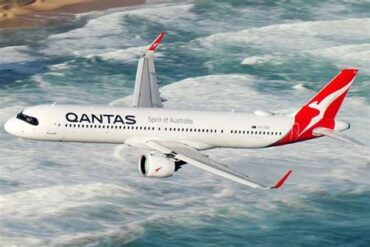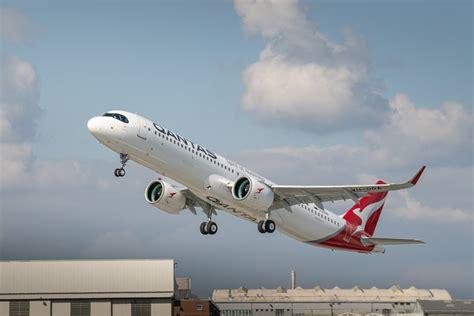
The arrival of Qantas’ fourth Airbus A321XLR marks a subtle but telling shift in how the airline is shaping its next-generation narrowbody fleet. The aircraft, registered VH-OGD, is due to touch down in Australia this month carrying a cabin change that speaks volumes about passenger experience priorities. For the first time in Qantas’ A321XLR lineup, a fourth lavatory has been added—an improvement that directly addresses early operational feedback, even though it comes at the cost of an entire row of economy seats.
The decision trims total capacity from 200 seats to 197, a small numerical change with outsized implications. Qantas is effectively conceding a modest slice of potential revenue in exchange for a tangible comfort upgrade on some of the longest domestic flights in the world. This is not a cosmetic tweak. It is a recalibration driven by real-world use, passenger behavior, and the realities of five-hour single-aisle sectors across Australia.
Early Feedback Forces a Midstream Cabin Rethink
When Qantas introduced the Airbus A321XLR into passenger service in September 2025, expectations were high. The aircraft debuted on routes such as Sydney–Melbourne and Sydney–Perth, replacing Boeing 737s with promises of lower fuel burn, larger overhead bins, quieter cabins, and faster onboard Wi-Fi. On paper, the jet was a clear step forward.
In practice, one issue surfaced quickly. The initial configuration—20 business-class seats and 180 economy seats supported by just three lavatories—proved stretched on longer flights. Economy passengers effectively shared two toilets, resulting in a ratio that hovered around one lavatory per 90 passengers. Over several hours, that imbalance translated into queues, aisle congestion, and increased tension around access to the forward, business-class lavatory.
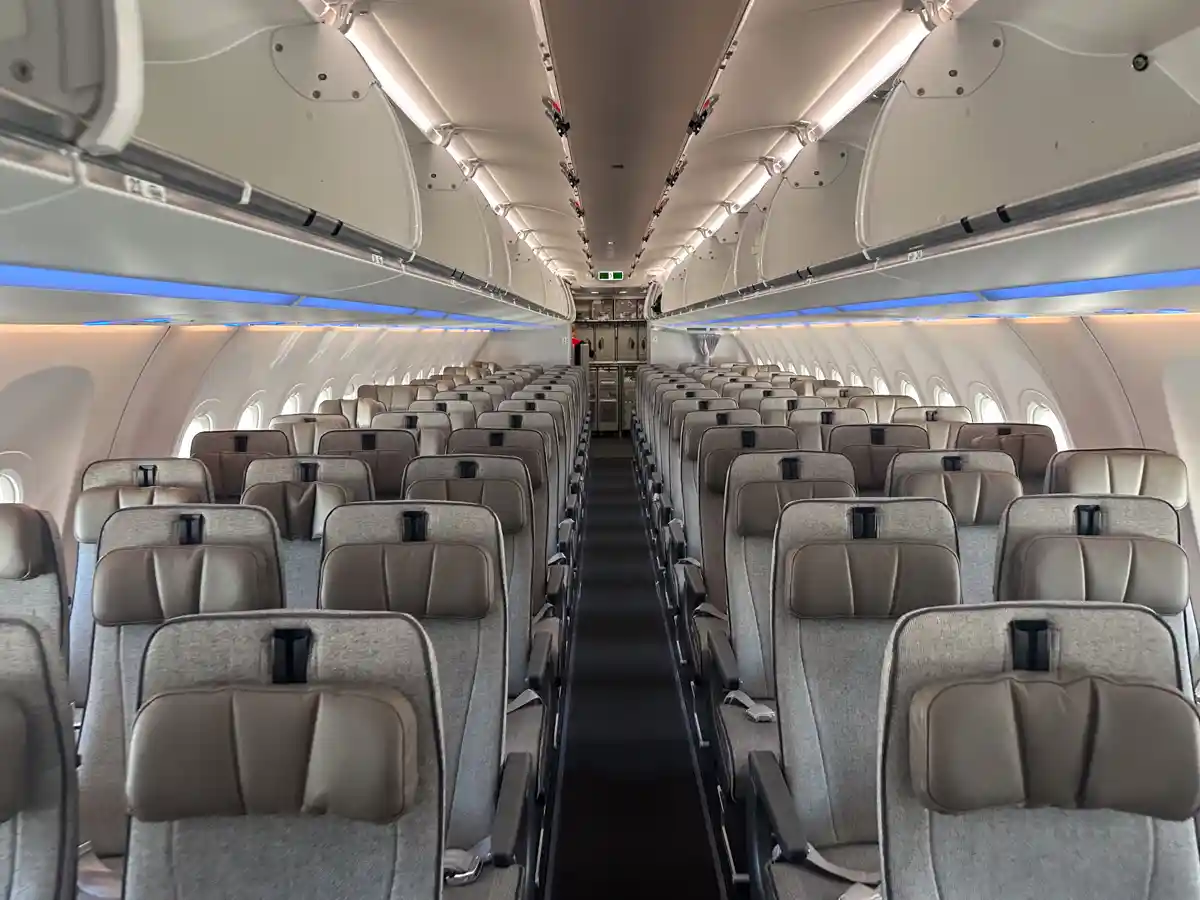
The fourth lavatory, positioned just aft of the forward cabin, corrects that imbalance. With four toilets on board, the economy-class ratio improves dramatically to roughly one per 59 passengers, a change passengers will feel immediately, even if they never consciously count the doors.
Why Three Seats Matter More Than They Sound
Removing three seats may appear trivial, but for an airline network planner, it is a real trade-off. On dense trunk routes, every seat can be sold, particularly during peak travel periods. Fewer seats raise unit costs and slightly cap revenue upside. There are also secondary penalties: added weight from the extra lavatory, more water uplift, and marginally longer ground servicing times.
Yet the alternative was worse. Long queues and blocked aisles disrupt cabin flow, slow service, and place crew in the awkward position of policing toilet access. Over time, these frictions erode satisfaction scores and brand perception. On Australia’s longest domestic legs, discomfort compounds. Qantas appears to have concluded that protecting the onboard experience is worth more than three extra fares.
Retrofitting the Fleet Signals Commitment
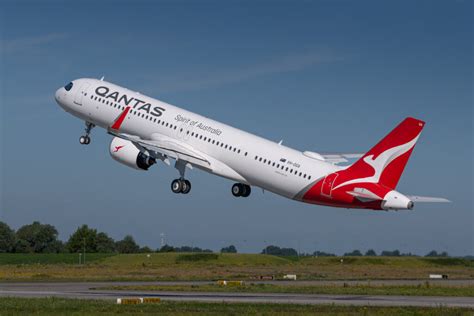
Crucially, this is not a one-off experiment. Qantas has confirmed that the first three A321XLRs will be retrofitted with the fourth lavatory during future maintenance checks. That decision locks in the new standard across the subfleet and signals confidence that the revised layout is the right long-term call.
Deliveries are ramping toward a target of seven A321XLRs by June, giving Qantas a growing pool of aircraft optimized for long domestic sectors. The airline is clearly learning fast and adjusting hardware accordingly, rather than waiting years for a full cabin refresh cycle.
A Narrowbody Designed for Distance
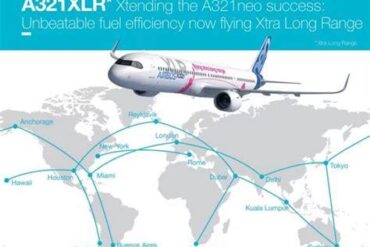
The Airbus A321XLR is central to Qantas’ broader fleet strategy. With its extended range and improved payload capability, the aircraft is designed to thrive on routes where widebodies are too large and traditional narrowbodies are stretched thin. Transcontinental flights are the obvious starting point, but the implications extend further.
Longer term, the type opens doors to thinner international markets from Australia—routes to Southeast Asia or Pacific islands that cannot consistently support widebody economics. On those sectors, cabin comfort matters disproportionately. Passengers will tolerate a single aisle for five or six hours, but only if the experience feels balanced rather than compressed.
Premium Optics and Brand Alignment
For a brand that leans premium, optics matter. The A321XLR is supposed to feel like an upgrade over the Boeing 737, not a denser substitute. A visibly stressed cabin undermines that message. Adding a lavatory helps align the aircraft’s physical reality with its marketing promise, reinforcing the idea that Qantas is investing in comfort, not merely efficiency.
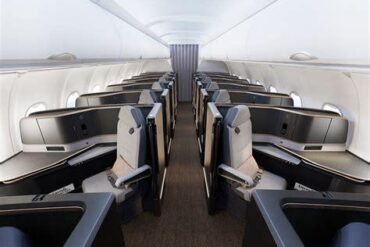
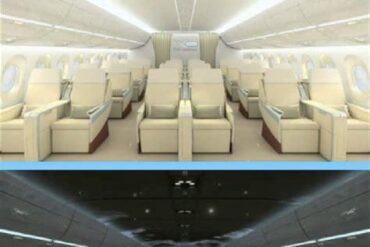
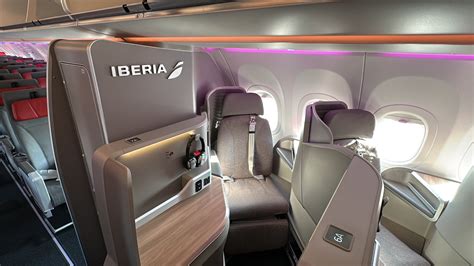
This logic becomes even clearer when viewed alongside Qantas’ plans for future A321XLRs with enhanced premium cabins, including lie-flat seats for longer international missions. In that context, sacrificing three economy seats today looks less like a loss and more like groundwork for a more versatile, passenger-friendly narrowbody fleet.
The fourth lavatory on VH-OGD is a small structural change with strategic weight. It shows an airline willing to listen, adapt, and spend real money to fix discomfort rather than explain it away. On flights measured in hours rather than miles, that choice may prove far more valuable than three extra seats ever could.