The aviation industry is entering a remarkable new phase where narrowbody aircraft are flying routes once reserved for widebody jets. At the center of this transformation stands the Airbus A321XLR, a long-range single-aisle aircraft capable of connecting cities thousands of miles apart while maintaining the efficiency of a narrowbody jet. In 2026, airlines are pushing this aircraft close to its operational limits, opening routes that would have been considered impractical only a few years ago.
Traditionally, long-haul flights required large widebody aircraft such as the Boeing 777, Airbus A330, or Boeing 787. These aircraft deliver the range and passenger capacity required for intercontinental travel but often come with high operating costs. For airlines exploring emerging markets or seasonal demand, filling hundreds of seats every day is not always realistic. The A321XLR solves this challenge by combining transcontinental range with lower operating costs, making long-distance routes financially viable even with fewer passengers.
By 2026, several airlines have embraced the aircraft to launch ultra-long narrowbody flights exceeding nine hours. Routes such as Delhi to Istanbul, Madrid to Washington Dulles, Madrid to Santo Domingo, and Dublin to Nashville illustrate how carriers are leveraging the A321XLR to reshape global route networks. These flights demonstrate a new strategy: connecting secondary cities and underserved markets directly without relying on traditional hub-and-spoke systems.
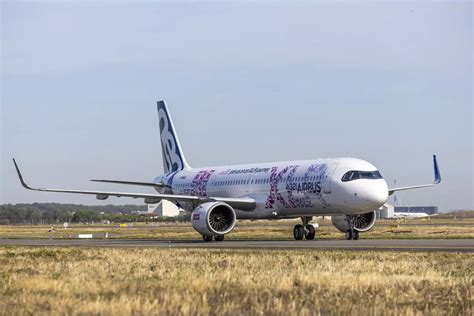
Understanding the Airbus A321XLR: Range Meets Efficiency
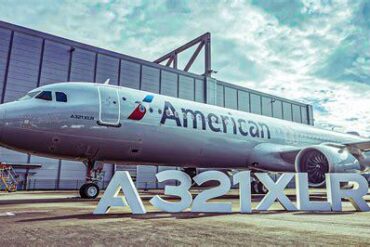
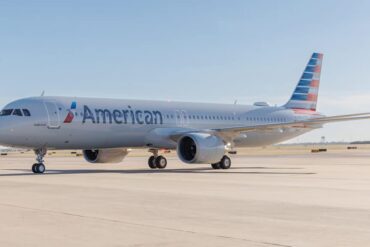
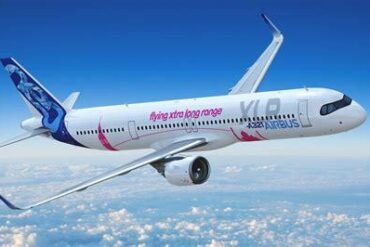
The Airbus A321XLR (Extra Long Range) represents the most advanced evolution of the highly successful A321neo family. Airbus designed the aircraft specifically to bridge the gap between narrowbody and widebody operations, delivering exceptional range without sacrificing efficiency.
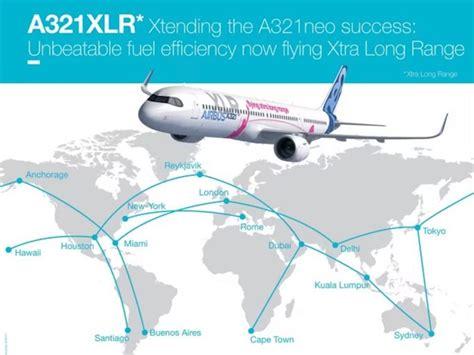
With a maximum range of approximately 4,700 nautical miles (8,700 kilometers), the A321XLR can operate flights lasting up to 11 hours depending on route conditions and payload. This range places cities that were previously beyond narrowbody reach within practical operational distance.
Beyond its range, the aircraft also boasts a set of engineering improvements that make it particularly appealing to airlines:
- Maximum Takeoff Weight: 223,000 pounds
- Aircraft Length: 146 feet (44.5 meters)
- Wingspan: 117 feet 5 inches (35.8 meters)
- Typical Seating: 206–220 passengers in two classes
- Maximum Capacity: 244 passengers
Airbus has optimized the aircraft with a rear center fuel tank and enhanced landing gear, enabling the extended range without compromising structural integrity. The result is a jet that consumes up to 30% less fuel per seat compared with previous-generation aircraft, dramatically reducing operating costs.
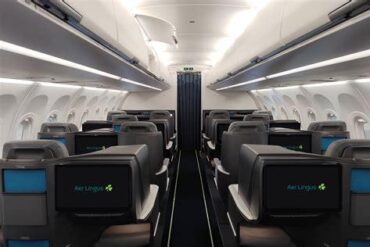
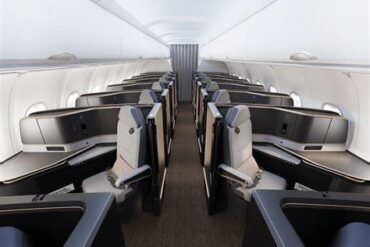
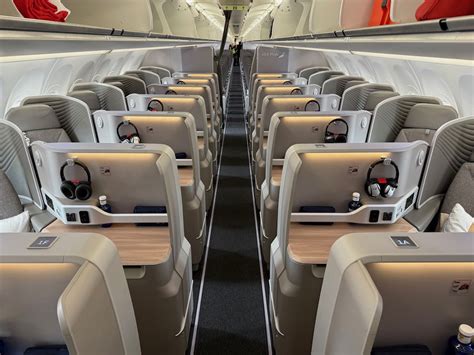
Passenger comfort has also improved significantly. The aircraft features the Airspace cabin, an interior concept that provides larger overhead bins, quieter cabins, and wider seats. Airlines can even install lie-flat business-class seats, offering a premium experience comparable to long-haul widebody aircraft.
For carriers, the A321XLR is more than just a new aircraft—it is a strategic tool that enables entirely new route possibilities.
IndiGo’s Delhi–Istanbul Route: The Longest A321XLR Flight
One of the most ambitious deployments of the aircraft in 2026 comes from IndiGo, India’s largest airline. The carrier now operates a daily flight between Delhi and Istanbul, pushing the A321XLR close to its maximum operational limits.
The route covers a demanding journey lasting approximately 10 hours and 15 minutes, making it one of the longest narrowbody flights currently operating anywhere in the world.
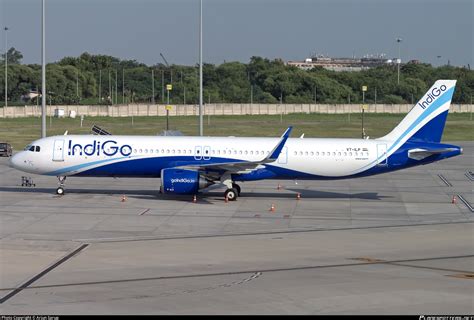
This route was not originally designed for narrowbody aircraft. Before introducing the A321XLR, IndiGo operated the flight using Boeing 777-300ER aircraft leased from Turkish Airlines. Those widebody jets carried more than 500 passengers, offering significant capacity but also much higher operational costs.
Switching to the A321XLR dramatically changed the economics of the route. Instead of relying on a large aircraft requiring extremely high passenger loads, IndiGo can now operate the service with approximately 195 seats, allowing the airline to maintain profitability even during periods of lower demand.
Another factor affecting the route’s operational dynamics is geopolitics. Due to restricted access to Pakistani airspace, flights must take longer routing paths. Combined with the slower cruising speed of the A321XLR compared with the 777-300ER, this has extended the scheduled flight time by more than an hour.
Despite the longer duration, the aircraft’s fuel efficiency and lower operating costs make the route economically sustainable. Istanbul also plays a strategic role as a gateway to Europe, with Turkish Airlines providing extensive onward connections across the continent.
For IndiGo, the A321XLR enables a powerful combination of international expansion and operational efficiency, reinforcing the airline’s growing presence beyond South Asia.
Iberia’s Madrid–Washington Dulles Flight: Narrowbody Crossing the Atlantic
Across the Atlantic, Iberia has become one of the most enthusiastic adopters of the Airbus A321XLR. As the launch operator of the aircraft, the Spanish flag carrier has used it to expand its transatlantic network in ways that were previously impossible with narrowbody jets.
One of the most notable routes is Madrid to Washington Dulles, a flight lasting approximately 9 hours and 40 minutes.
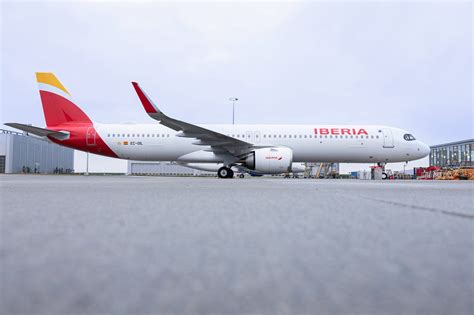
The route highlights the unique strengths of the A321XLR. For years, airlines relied on widebody aircraft to connect Europe with the United States. However, widebodies often require significant passenger demand to remain profitable, which can limit route frequency.
By deploying the A321XLR, Iberia has been able to increase the number of weekly flights between Madrid and Washington without dramatically increasing operational costs. The airline initially scheduled six weekly flights, later expanding to daily service during peak travel periods.
The route also benefits from Madrid’s strategic geographic position. Adolfo Suárez Madrid–Barajas Airport serves as a major hub connecting passengers traveling between the United States, Europe, and Africa. This connectivity helps Iberia fill seats on long transatlantic flights even with a smaller aircraft.
Tourism trends further support the route’s success. American travelers continue to flock to Madrid and Barcelona, while Spanish passengers frequently visit U.S. destinations such as Washington, Miami, and Los Angeles. The A321XLR allows Iberia to capture this demand while maintaining flexible capacity.
Madrid–Santo Domingo: Pushing the Aircraft Toward Its Limits
Another remarkable route operated by Iberia pushes the aircraft even closer to its maximum capabilities: Madrid to Santo Domingo in the Dominican Republic.
This transatlantic flight covers approximately 3,620 nautical miles (6,700 kilometers) and operates with a block time of roughly 9 hours and 35 minutes.
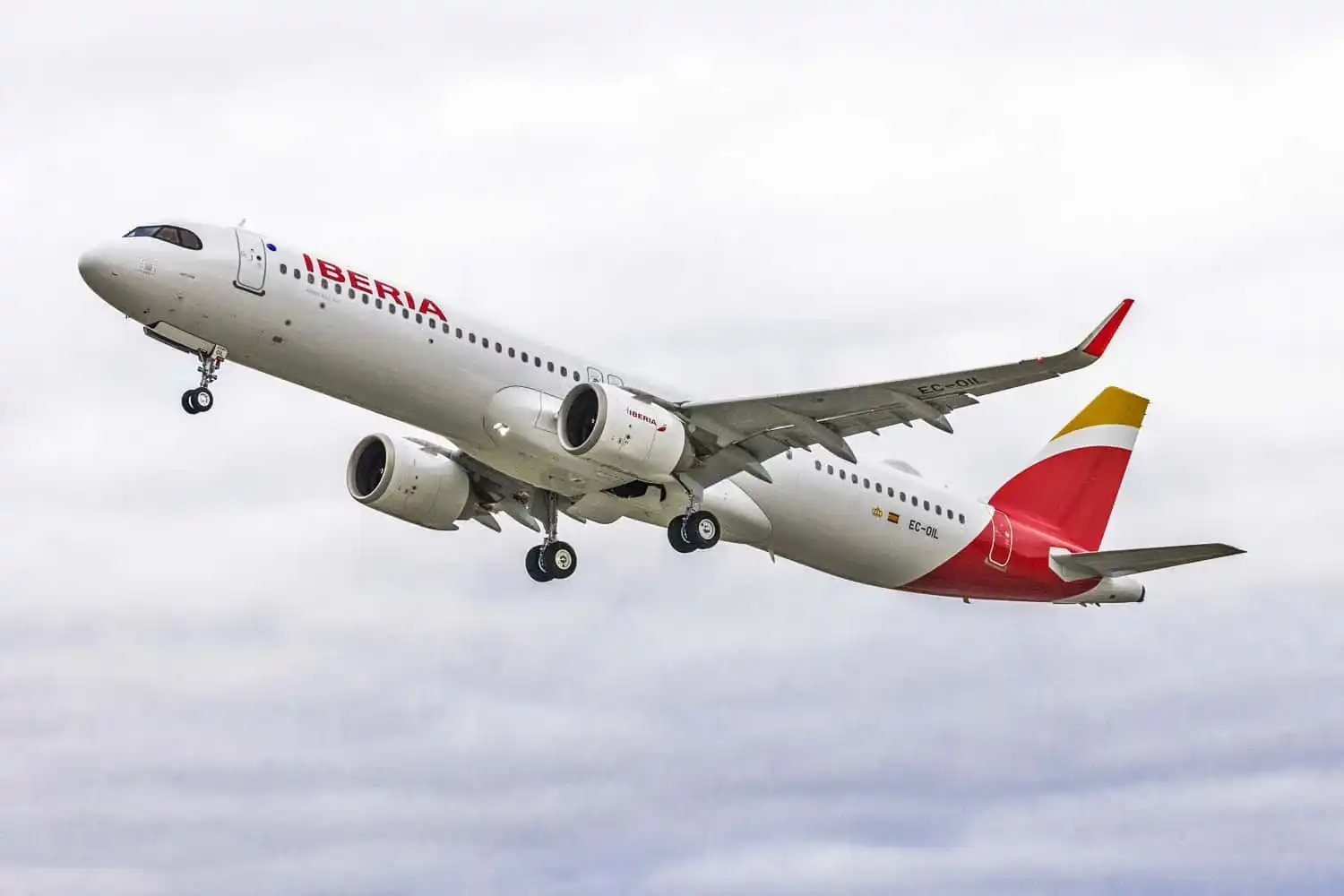
The route represents a significant shift from earlier operations. Historically, Iberia used Airbus A330-300 widebody aircraft on this service, offering nearly 300 seats per flight. While effective during peak travel periods, the widebody configuration often resulted in excess capacity during quieter seasons.
The A321XLR enables a more balanced approach. Iberia’s configuration includes 14 lie-flat business-class seats and 168 economy seats, creating a total capacity of 182 passengers. This smaller configuration allows the airline to operate more frequent flights with lower financial risk.
Interestingly, while the aircraft has slightly slower cruising speeds compared with widebody jets, the difference in overall travel time is minimal. In many cases, block times have increased by only a few minutes, demonstrating how efficiently the A321XLR performs on long transatlantic sectors.
This route is part of Iberia’s broader strategy to expand its long-range narrowbody network, which also includes destinations such as San Juan, Recife, Fortaleza, Boston, and New York.
Aer Lingus Dublin–Nashville: Connecting Ireland to America’s Music City
Aer Lingus has also leveraged the capabilities of the A321XLR to expand its North American network. One of its most distinctive routes connects Dublin with Nashville, a city famous for its vibrant music industry.
The flight operates with a block time of approximately 9 hours and 20 minutes, making it the airline’s longest narrowbody route.
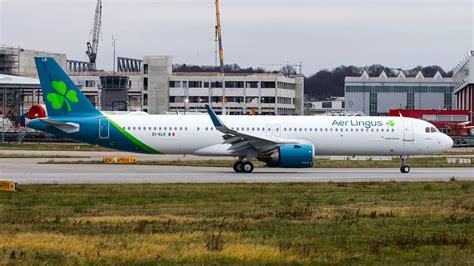
Before the introduction of the A321XLR, a direct flight between Dublin and Nashville would have been difficult to justify. The demand exists, but not necessarily at the scale required for large widebody aircraft.
By using the A321XLR, Aer Lingus can connect Ireland directly to emerging U.S. destinations, bypassing the need for connecting flights through larger hubs. This strategy aligns with the airline’s broader ambition to expand its presence across North America.
Nashville International Airport has grown rapidly in recent years, becoming the 23rd busiest airport in the United States. The city’s strong tourism appeal, thriving technology sector, and cultural significance make it an attractive destination for European travelers.
Aer Lingus operates the route three to five times per week, adjusting frequency based on seasonal demand. The aircraft’s efficiency allows the airline to maintain consistent service even during quieter travel periods.
Passenger Experience on Ultra-Long Narrowbody Flights
Flying for nine or ten hours on a narrowbody aircraft may seem challenging at first glance. However, airlines are investing heavily in premium cabin design and passenger comfort to ensure that the experience rivals that of traditional widebody flights.
The A321XLR cabin incorporates several design features aimed at long-haul travel:
- Lie-flat business-class seats arranged in private suites
- Improved cabin pressure and humidity levels
- Larger overhead storage bins
- Modern in-flight entertainment systems
- High-speed onboard Wi-Fi connectivity
Some airlines, such as Air Canada, have partnered with aerospace manufacturers to introduce advanced seating solutions. The airline’s A321XLR fleet will feature Collins Aerospace Aurora business-class suites, arranged in a 1-1 configuration to maximize privacy and comfort.
These seats are designed to replicate the widebody business-class experience, offering passengers fully flat beds, direct aisle access, and enhanced personal space despite the narrower fuselage.
The economy cabin has also evolved significantly. New seat designs offer improved ergonomics, adjustable headrests, and larger entertainment screens, ensuring that long flights remain comfortable even in standard seating.
How the A321XLR Is Reshaping Airline Route Networks
The introduction of ultra-long A321XLR routes marks a significant shift in how airlines approach route planning. Instead of relying exclusively on large hubs and widebody aircraft, carriers can now connect smaller cities directly, reducing travel times and improving passenger convenience.
This transformation reflects a broader industry trend toward point-to-point travel. Passengers increasingly prefer direct flights over connections, even if the aircraft itself is smaller.
The A321XLR allows airlines to test new markets with minimal financial risk. If a route proves successful, airlines can later upgrade to larger aircraft. If demand remains moderate, the narrowbody configuration still provides sustainable economics.
Airlines around the world are already exploring new opportunities made possible by the aircraft. Potential future routes include secondary European cities linked to North America, new South American connections from Europe, and long-range flights within Asia-Pacific.
The Future of Ultra-Long Narrowbody Flights
As more airlines receive deliveries of the Airbus A321XLR, the number of ultra-long narrowbody routes is expected to grow rapidly. Aircraft orders continue to rise as carriers recognize the strategic flexibility the jet provides.
Air Canada, for example, has expanded its order from 26 to 30 aircraft, demonstrating strong confidence in the platform. The airline plans to use the aircraft on a mix of domestic and international routes, gradually introducing longer sectors as the fleet grows.
Other carriers across Europe, Asia, and North America are evaluating similar strategies. As airports become more congested and operational costs continue to rise, efficient long-range narrowbody aircraft are becoming increasingly attractive.
The success of routes like Delhi–Istanbul, Madrid–Washington, Madrid–Santo Domingo, and Dublin–Nashville demonstrates that long-haul travel no longer belongs exclusively to widebody aircraft. Instead, airlines are entering a new era where smaller jets can travel farther, open new markets, and reshape the global aviation network.
The Airbus A321XLR sits at the center of this transformation, proving that range, efficiency, and flexibility can coexist within a single aircraft design. As airlines continue to explore its capabilities, passengers around the world will gain access to more direct flights, new destinations, and a fundamentally different model of long-haul travel.