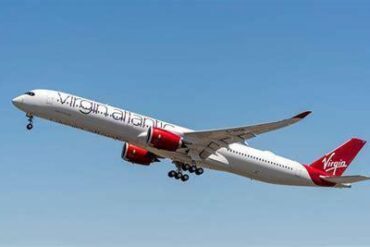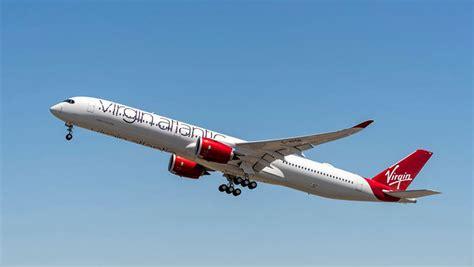
Virgin Atlantic has always treated long-haul flying as both a technical challenge and a stage for storytelling. Since the airline’s early days in the 1980s, distance has been more than a number on a route map; it has been a test of aircraft capability, operational discipline, and passenger comfort. By 2026, that philosophy is expressed most clearly through the Airbus A350-1000, an aircraft that quietly but decisively reshapes what Virgin Atlantic can do nonstop from the United Kingdom.
The A350-1000 is not just another widebody in the fleet. It represents a generational shift away from older, fuel-hungry aircraft toward long-range efficiency, reduced noise, and a cabin designed for flights that stretch deep into double-digit hours. For Virgin Atlantic, this matters because its business model lives and breathes long-haul connectivity, particularly across the Atlantic and into South Asia, where nonstop range and premium appeal are decisive competitive factors.
By 2026, Virgin Atlantic’s longest nonstop routes showcase how the A350-1000 has become the backbone of its intercontinental ambitions. These flights are not experimental curiosities; they are carefully chosen, data-driven deployments on routes where demand, distance, and yield intersect. Together, they reveal how the airline uses modern aircraft technology to push boundaries while maintaining reliability, consistency, and a distinctly Virgin sense of style.
The Airbus A350-1000 As Virgin Atlantic’s Long-Haul Flagship
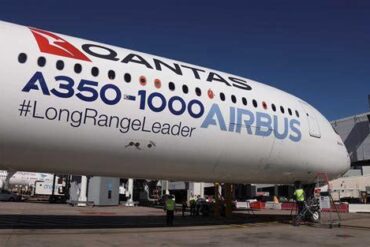
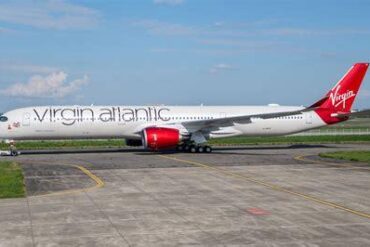
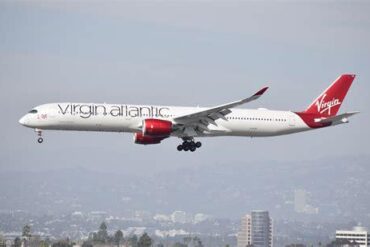
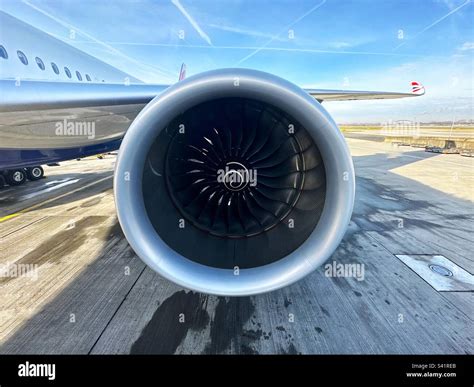
At the heart of Virgin Atlantic’s longest routes sits the Airbus A350-1000, a jet designed from the outset for missions that challenge both range and economics. With a maximum range of around 9,000 nautical miles and powered by Rolls-Royce Trent XWB-97 engines, the aircraft offers a blend of thrust, efficiency, and reliability that older widebodies struggle to match. For an airline focused on nonstop connectivity, this combination is transformative.
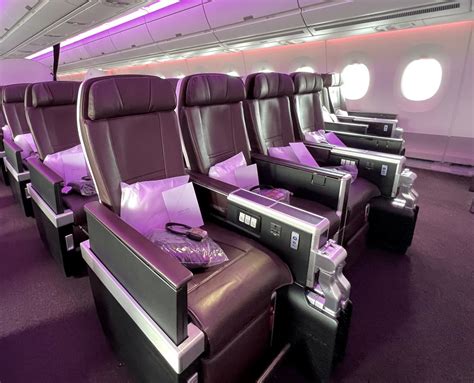
Virgin Atlantic configures its A350-1000s in a modern three-class layout, balancing premium density with overall capacity. Upper Class suites, a refined Premium cabin, and an updated Economy section allow the aircraft to serve both high-yield corporate travelers and long-haul leisure demand. Crucially, the jet’s lighter composite structure and advanced aerodynamics translate into lower fuel burn per seat, making even ultra-long routes economically viable.
From a passenger perspective, the A350-1000 brings tangible benefits on flights lasting 10, 12, or even 14 hours. A quieter cabin, lower cabin altitude, and improved humidity reduce fatigue, while larger windows and mood lighting subtly reshape the long-haul experience. These features are not marketing fluff; they are essential tools when the aircraft becomes the stage for Virgin Atlantic’s longest nonstop journeys.
Pushing The Limits: Virgin Atlantic’s Longest Nonstop Routes Over 5,000 Miles
Distance remains the most visceral way to understand the A350-1000’s role in Virgin Atlantic’s network. By 2026, three routes stand clearly above the rest, each exceeding the 5,000-mile mark and demanding consistent performance from both aircraft and crew.
The undisputed leader is the nonstop link between London Heathrow and Los Angeles, spanning an average distance of 5,456 miles each way. This transcontinental-to-transpacific-style mission is a cornerstone of Virgin Atlantic’s West Coast strategy, connecting the UK’s primary hub with one of the world’s most influential aviation markets. Operated more than 300 times in each direction annually, the route generates hundreds of millions of available seat miles, underscoring its scale and commercial importance.
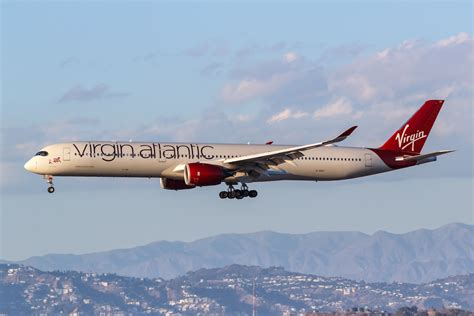
Close behind is the London Heathrow to San Francisco service, at approximately 5,386 miles. While slightly shorter, this route is no less demanding, threading together two major global technology and finance centers. The A350-1000’s range allows Virgin Atlantic to operate the flight year-round without payload restrictions, a critical advantage in a market where reliability and schedule integrity matter deeply to business travelers.
Rounding out the over-5,000-mile category is the Manchester to Las Vegas route, covering about 5,088 miles. Although operated less frequently, this service highlights the A350-1000’s flexibility. From a non-London hub, Virgin Atlantic can still deploy a cutting-edge widebody on a long leisure-focused mission, linking Northern England directly with one of North America’s most iconic destinations.
The Strategic Core: Routes In The 4,000–5,000 Mile Range
While the longest routes grab headlines, the true strategic core of Virgin Atlantic’s A350-1000 network lies in the 4,000–5,000-mile range. These flights balance distance, frequency, and demand, making them ideal for showcasing the aircraft’s efficiency and comfort without pushing its absolute limits.
One of the most significant examples is the London Heathrow to Mumbai service, averaging 4,486 miles. This route connects the UK directly with India’s financial capital, a market defined by strong business travel, visiting-friends-and-relatives demand, and growing premium traffic. The A350-1000’s ability to carry substantial payloads over this distance allows Virgin Atlantic to maintain consistent service levels while managing costs.
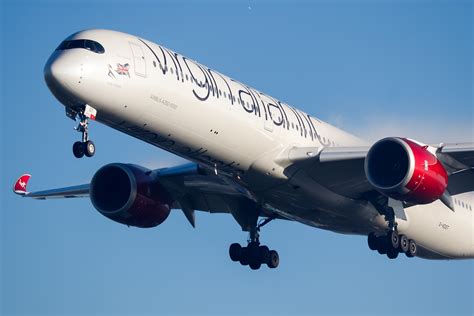
Transatlantic leisure routes to Florida also feature prominently in this distance band. Flights from London Heathrow to Miami and Tampa, both just over 4,400 miles, demonstrate how the A350-1000 supports high-comfort, medium-frequency services where passenger experience is a key differentiator. These routes benefit from the aircraft’s quieter cabin and modern interiors, which help Virgin Atlantic stand out in competitive leisure markets.
Together, these 4,000–5,000-mile routes illustrate a quiet truth about long-haul aviation: the most valuable missions are not always the absolute longest, but those that combine reach with repeatability. The A350-1000 excels precisely in this space.
High-Volume Long-Haul: The 3,000–4,000 Mile Workhorses
Although often associated with ultra-long-haul flying, the Airbus A350-1000 also anchors several of Virgin Atlantic’s busiest long-haul routes under 4,000 miles. These services emphasize frequency and capacity, turning the aircraft into a high-efficiency people mover on routes that define the airline’s brand.
The standout example is London Heathrow to New York JFK, a route averaging 3,452 miles but operating at an intensity unmatched elsewhere in the network. With more than a thousand flights in each direction annually, this corridor is the airline’s transatlantic flagship. The A350-1000’s economics allow Virgin Atlantic to offer a consistent premium product while managing the sheer scale of demand.
Other important routes in this category include services to Toronto, Dubai, and Lagos, each playing a distinct role in the network. Toronto supports deep commercial and cultural ties between the UK and Canada, while Dubai and Lagos connect London with key hubs in the Middle East and West Africa. On these routes, the A350-1000’s combination of range and efficiency ensures that even shorter long-haul sectors benefit from next-generation technology.
A Brief History Of Virgin Atlantic’s Long-Haul DNA
Understanding why the A350-1000 fits Virgin Atlantic so well requires a glance backward. Founded in 1984 by Richard Branson, the airline entered a market dominated by established flag carriers. Its first aircraft, a leased Boeing 747-200, symbolized ambition from day one: long-haul flying as a statement of intent.
Over the decades, Virgin Atlantic built its reputation on widebody aircraft capable of crossing oceans with style. The Boeing 747 became an icon, followed by Airbus A340s and later Boeing 787 Dreamliners. Each fleet transition reflected a broader shift in technology and economics, from four engines to two, from aluminum to composites.
The arrival of the A350-1000 fits squarely into this lineage. It is not a departure from Virgin Atlantic’s past but a continuation of its long-haul DNA, updated for an era defined by efficiency, sustainability, and passenger expectations that stretch as far as the routes themselves.
Why The A350-1000 Makes Sense For Virgin Atlantic
Virgin Atlantic’s decision to make the A350-1000 a cornerstone of its fleet rests on three pillars: efficiency, experience, and flexibility. From an operational standpoint, the aircraft delivers significant reductions in fuel burn and emissions compared with older widebodies. This matters not only for cost control but also for meeting increasingly stringent environmental expectations.
From a product perspective, the A350-1000 provides a consistent platform for Virgin Atlantic’s latest cabin designs. The airline can deploy its most refined Upper Class and Premium offerings on routes that matter most, reinforcing brand identity across the network. Consistency becomes a competitive advantage when passengers know exactly what to expect on a long-haul flight.
Operational flexibility completes the picture. The aircraft’s strong payload performance and long range allow Virgin Atlantic to adjust capacity and frequency without changing aircraft types. Whether flying to the US West Coast, South Asia, or Africa, the A350-1000 adapts seamlessly.
The Long-Term Future Of Virgin Atlantic’s Longest Flights
Looking ahead to 2026 and beyond, the Airbus A350-1000 appears firmly embedded in Virgin Atlantic’s long-term strategy. As older aircraft retire and network priorities sharpen around core long-haul markets, the type’s versatility ensures it remains relevant across a wide range of missions.
The airline’s longest nonstop flights are not just feats of distance; they are expressions of a carefully balanced strategy. By pairing advanced aircraft technology with high-demand routes, Virgin Atlantic positions itself to compete effectively against global rivals while maintaining its distinctive personality.
In the end, the story of Virgin Atlantic’s longest A350-1000 flights is not simply about miles or hours in the air. It is about how modern aviation technology enables airlines to shrink the world responsibly, connecting distant cities nonstop while making the journey itself more humane. In that sense, the A350-1000 is not just an aircraft; it is a quiet collaborator in Virgin Atlantic’s ongoing long-haul narrative.