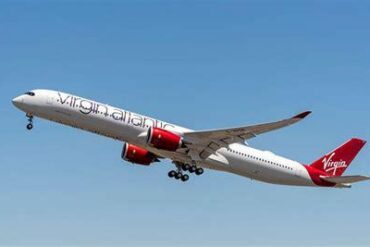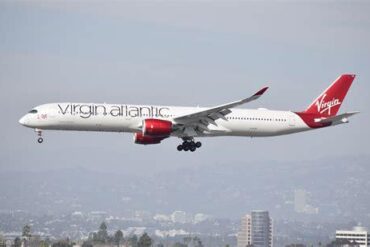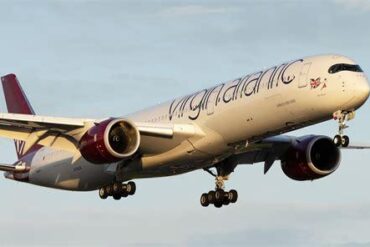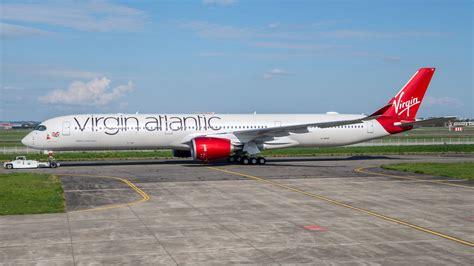
Virgin Atlantic is poised to make waves on the transatlantic corridor between London Heathrow (LHR) and Tampa International Airport (TPA) with a limited-time deployment of the Airbus A350-1000—a premium, high-capacity aircraft known for its fuel efficiency and luxurious cabins. Scheduled between March 29 and April 14, 2026, this strategic aircraft swap marks a notable increase in service capacity and signals the airline’s response to growing demand on this rapidly maturing route.
A Strategic Upgrade: More Seats, More Comfort
For just over two weeks in the spring of 2026, Virgin Atlantic will operate the Airbus A350-1000—one of the most modern widebody jets in service—on the London–Tampa route. This is a marked upgrade from the airline’s usual Airbus A330neo, which typically serves this transatlantic connection.
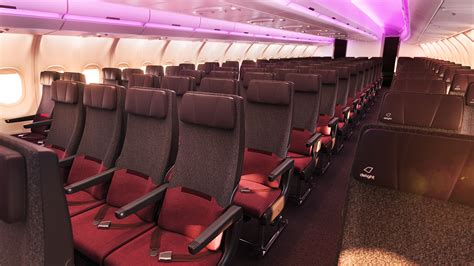
The A350-1000 brings a total capacity of 335 passengers, distributed across three refined cabin classes:
- 44 Upper Class (business class) seats
- 56 Premium Economy seats
- 235 Economy seats
In contrast, the Airbus A330neo usually offers 262 seats, including 32 in Upper Class, 46 in Premium Economy, and 184 in Economy. This change translates into an increase of 73 total seats per flight, significantly boosting both business and leisure travel opportunities.
Virgin Atlantic’s Growing A350 Fleet and Fleet Strategy
The temporary introduction of the A350-1000 also reflects Virgin Atlantic’s confidence in its widebody strategy. With 12 Airbus A350-1000s currently in service—averaging 5.1 years of age—these aircraft represent the upper echelon of long-haul air travel.
Each A350 is meticulously designed for comfort, featuring:
- Wider cabins and larger windows
- Advanced noise reduction technology
- The airline’s signature Upper Class social space and The Loft, a lounge-style area for premium passengers
Virgin Atlantic also operates eight A330neos with an average age of just 2.2 years, and it expects delivery of 16 additional A330neos, solidifying its status as a premium transatlantic carrier with a young, fuel-efficient fleet.
Daily Nonstop Connections Fueling Demand
The LHR–TPA route was launched in November 2022 with four weekly flights. It quickly matured into a daily nonstop service, responding to robust transatlantic demand and a rising tourism and business presence in Florida’s Gulf Coast region.
Covering a distance of 3,833 nautical miles (7,089 km) with a typical flight time of 9 to 10 hours, the route plays a crucial role in linking the UK with Tampa’s growing international footprint.
This temporary upgauge isn’t just about capacity—it’s also about elevated passenger experience. Travelers booking in Spring 2026 will gain access to a more spacious cabin, enhanced in-flight entertainment systems, and more opportunities for premium upgrades.
The Heathrow–Tampa Market: Competitive Yet Distinct
Virgin Atlantic’s Heathrow departure differentiates itself from British Airways, which operates its London–Tampa flights from London Gatwick (LGW) using Boeing 777-300ER aircraft. British Airways’ 777-300ER offers a four-class configuration but with only 254 seats, fewer than both Virgin’s A330neo and its A350-1000.
Virgin’s decision to deploy the A350 during a peak seasonal travel window underscores:
- Its competitive advantage in offering flights from Heathrow, London’s primary international hub.
- An intentional strategy to capture premium traffic and leisure travelers during spring holidays and Easter break.
- A possible test run to evaluate long-term aircraft deployment options based on route performance.

Tampa’s Ascension as a Transatlantic Gateway
Once a secondary player in the U.S. transatlantic scene, Tampa International Airport is fast emerging as a regional aviation powerhouse, buoyed by increased international service and infrastructure investment.
Besides Virgin Atlantic’s Heathrow service, Tampa now features:
- British Airways to London Gatwick (LGW)
- Delta Air Lines to Amsterdam Schiphol (AMS) using Airbus A330-300
- Lufthansa to Frankfurt (FRA) with A330-300
- SWISS to Zurich (ZRH) operated by Airbus A350 aircraft
This growing European network enhances Tampa’s profile as a preferred Florida gateway, particularly for European travelers seeking an alternative to the congested airspaces of Miami and Orlando. The airport’s connectivity to Canada, Mexico, the Caribbean, and Latin America only strengthens its global positioning.
Why the Airbus A350-1000 Matters
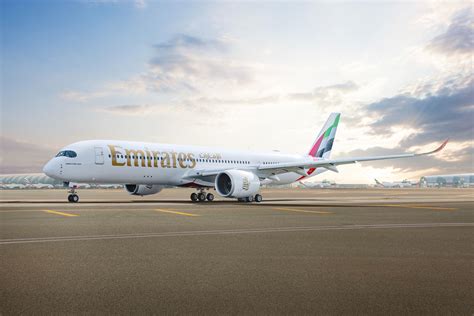
The Airbus A350-1000 isn’t just another widebody—it represents the future of long-haul air travel. Designed for maximum comfort, environmental responsibility, and operational efficiency, the aircraft features:
- Carbon-fiber-reinforced fuselage and wings
- 25% lower fuel burn and CO2 emissions compared to older aircraft
- State-of-the-art air quality and humidity control systems
- The quietest twin-aisle cabin in its class
For passengers, these technical attributes translate into a quieter, smoother, and healthier flight. For airlines like Virgin Atlantic, it means reduced operating costs and a tangible commitment to sustainability goals.
A Window into Virgin Atlantic’s Route Optimization Strategy
Deploying a high-capacity aircraft for just over two weeks might seem minor, but it reflects Virgin Atlantic’s agile capacity management and route optimization strategy.
By assigning the A350-1000 during a specific window of heightened demand, the airline is:
- Maximizing yield without committing long-term assets
- Testing the route’s scalability for future A350 deployments
- Offering passenger-centric enhancements that may drive future loyalty
Such tactical aircraft swaps are increasingly common among global carriers seeking to balance operational efficiency with customer experience. Virgin’s decision here is a precise, data-driven move in line with modern airline network planning.
Future Implications for Heathrow and Tampa
Virgin Atlantic’s A350-1000 deployment has broader implications for both airports. For Heathrow, it underscores the airport’s role as a hub for next-generation widebody operations, particularly as more A350 variants become the norm for long-haul flying. Heathrow already sees high A350 activity, and Virgin’s move consolidates that trend.
For Tampa, this is more than a fleeting equipment change—it’s a signal to global carriers that demand and infrastructure now support high-capacity, premium air travel. The airport’s ongoing upgrades, passenger-friendly terminal layout, and customs processing efficiency make it increasingly attractive to European carriers.
Conclusion: Limited Time, Long-Term Significance
Though Virgin Atlantic’s A350-1000 service to Tampa will last only 17 days, the implications resonate far beyond that. The move speaks to the airline’s fleet modernization, operational flexibility, and keen understanding of market dynamics.
For passengers, it’s a chance to enjoy one of the world’s finest long-haul aircraft on a sunny Florida escape. For aviation observers, it’s a case study in smart seasonal deployment and a window into the future of transatlantic air travel.