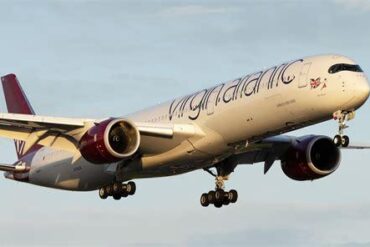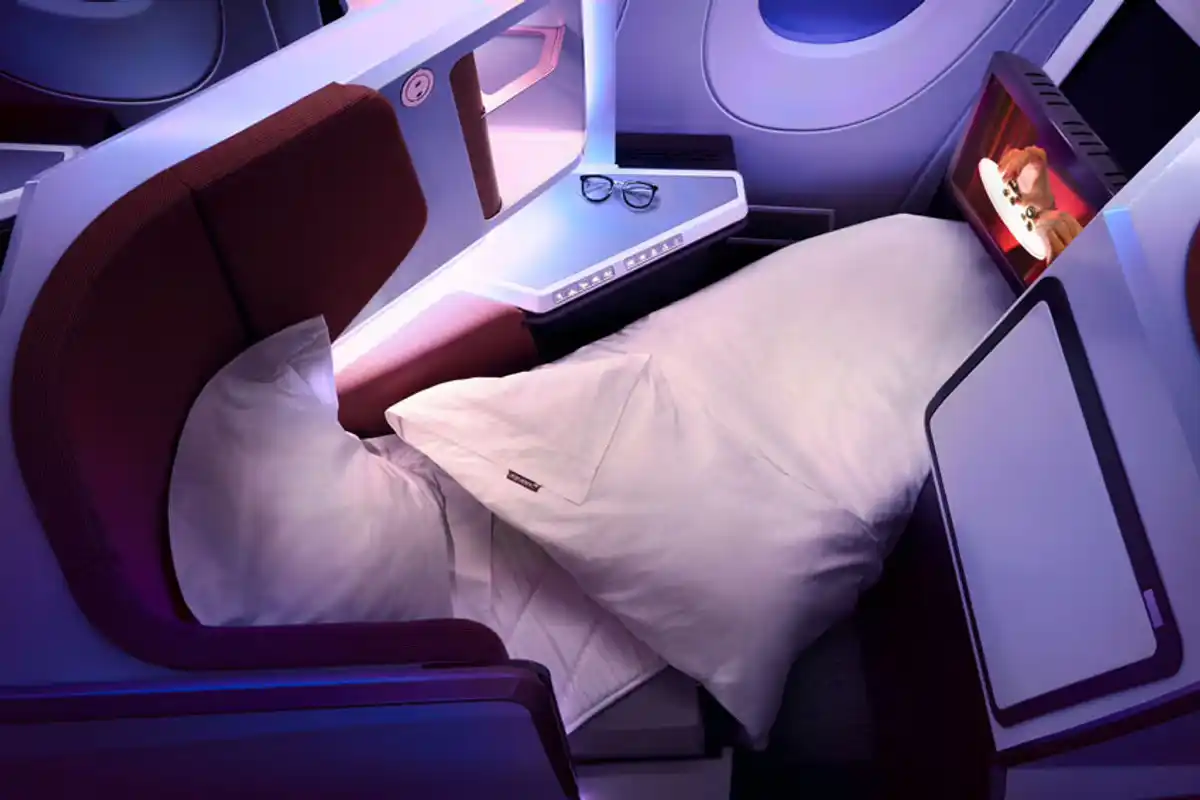
Business class has entered an era where luxury is no longer measured solely by gourmet dining, premium champagne, or attentive service. Instead, airlines now compete over how passengers experience their personal space during long-haul flights. Privacy doors, suite-like cabins, oversized entertainment screens, and exceptionally long fully flat beds have become defining features of the world’s best premium cabins. Yet amid an industry-wide race toward enclosed suites, Virgin Atlantic has deliberately taken a different path with its Airbus A350-1000 Upper Class.
Rather than installing fully closing doors, the airline designed its flagship A350 cabin around openness, spaciousness, and one of the longest business class beds available today—an impressive 82 inches (208 cm). The decision immediately sparked debate because Virgin Atlantic simultaneously introduced an entirely different Upper Class experience aboard its newer Airbus A330neo fleet, where passengers enjoy fully enclosed suites with sliding privacy doors.
This unusual split has created one of the most fascinating product strategies in modern commercial aviation. Instead of standardizing its flagship cabin across the fleet, Virgin Atlantic offers two distinct interpretations of luxury. One emphasizes unrestricted sleeping comfort and an airy cabin atmosphere, while the other caters to travelers who value complete privacy above everything else.
Virgin Atlantic Chose Comfort Before Isolation
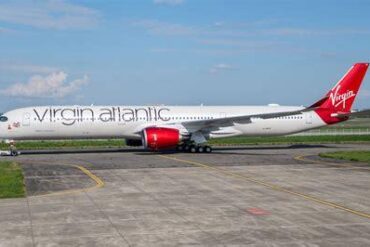
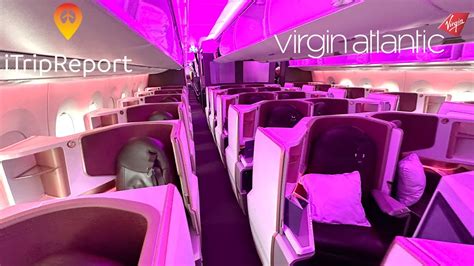
The Airbus A350-1000 represented far more than a fleet modernization project for Virgin Atlantic. It symbolized a complete redesign of the airline’s premium identity. Previous generations of Upper Class seats had become increasingly dated as competitors introduced direct aisle access, larger personal spaces, and increasingly sophisticated business class suites.
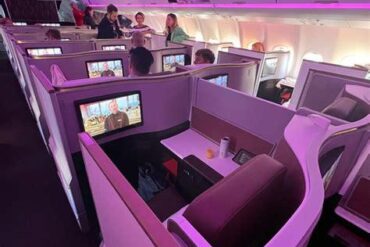
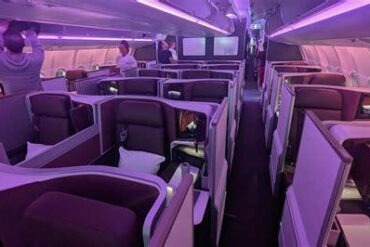
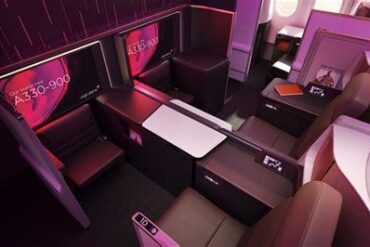
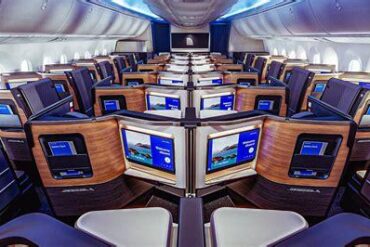
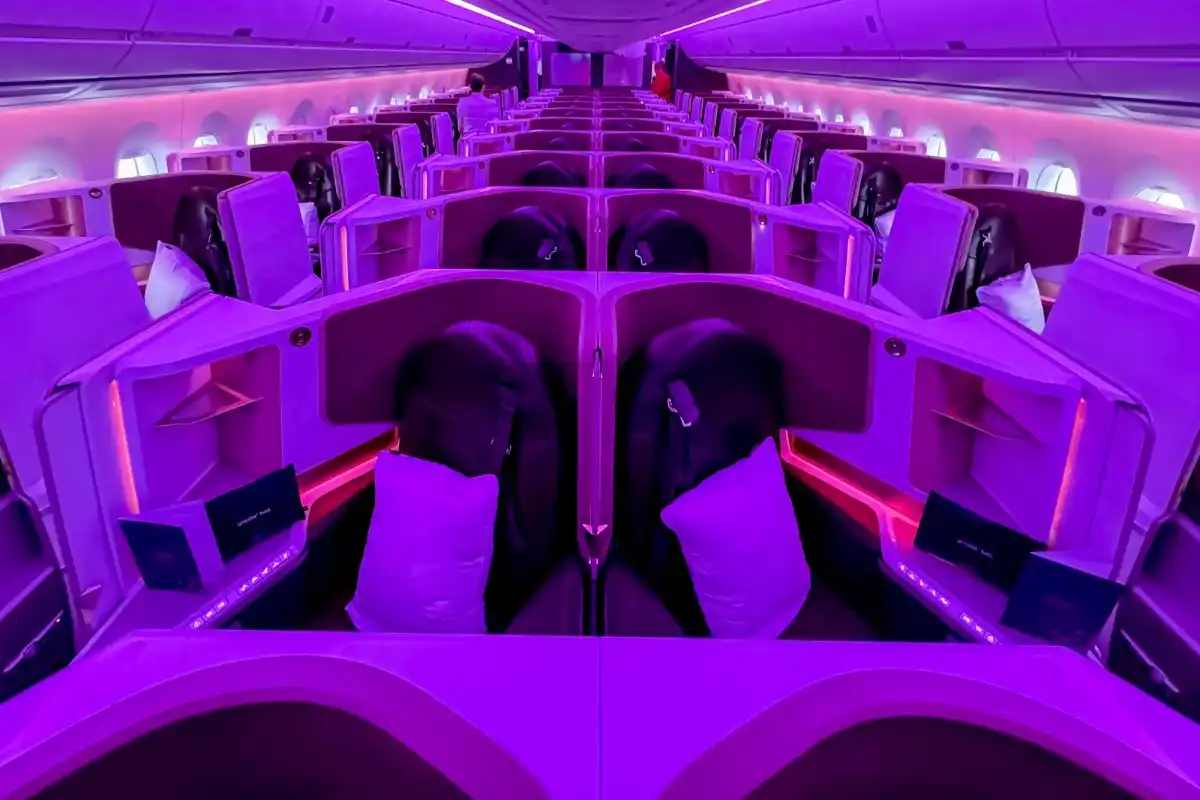
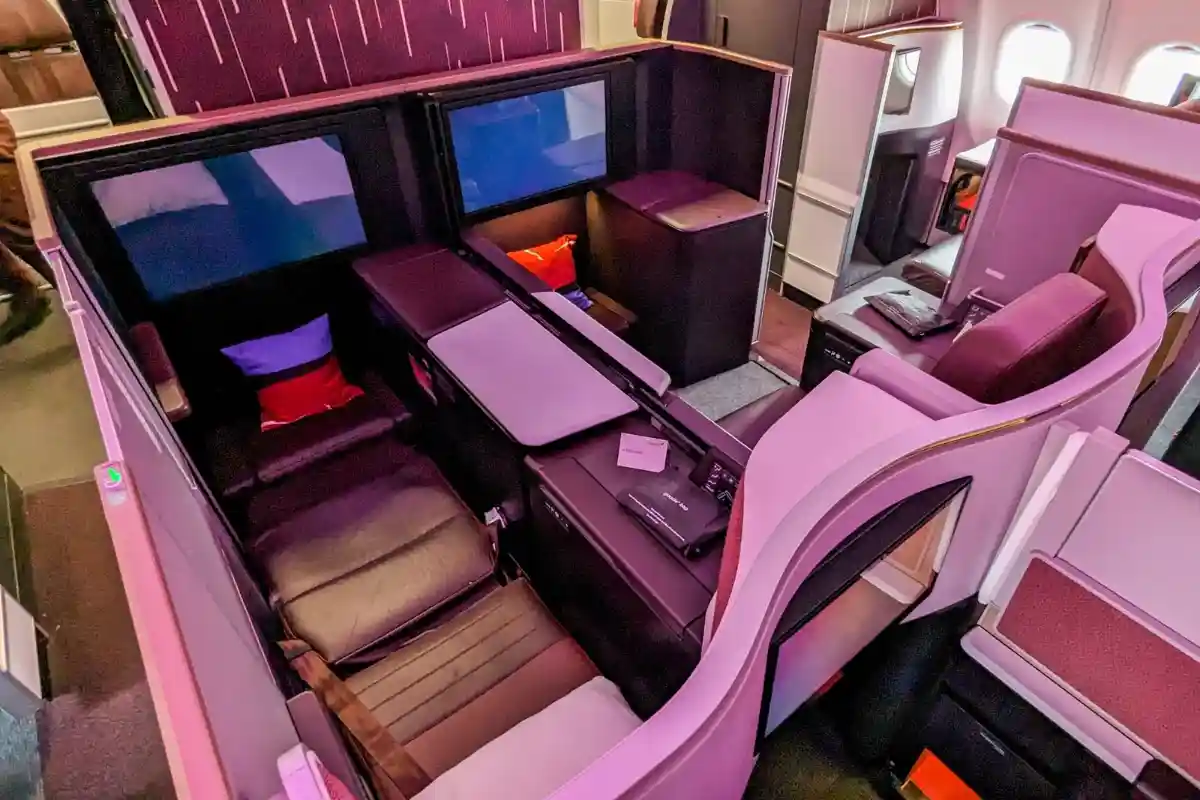
The new A350 Upper Class cabin introduced a clean 1-2-1 seating configuration, giving every passenger direct aisle access while creating an environment that feels considerably brighter and more spacious than many competing products. Instead of surrounding every traveler with walls and doors, the cabin uses gentle curves, open sightlines, and subtle partitions to create personal space without sacrificing the sense of being part of an elegant shared environment.
This philosophy reflects Virgin Atlantic’s long-standing brand identity. Unlike airlines that emphasize exclusivity and seclusion, Virgin has historically promoted flying as an enjoyable social experience. Upper Class has always been designed to encourage relaxation, conversation, dining, and interaction rather than complete isolation.
Walking through the cabin immediately reveals this intention. The absence of tall suite walls allows natural light to flow freely throughout the aircraft, creating a cabin that feels larger than its actual dimensions. Rather than resembling a corridor lined with private hotel rooms, the A350 Upper Class resembles an upscale lounge where every passenger enjoys generous personal territory without becoming visually disconnected from everyone else.
The Remarkable 82-Inch Flat Bed
Perhaps the most impressive technical achievement of Virgin Atlantic’s A350 Upper Class is the fully flat bed itself.
At 82 inches (208 centimeters) long, it ranks among the longest business class sleeping surfaces currently available on commercial airlines. For many travelers—particularly those over six feet tall—this additional space dramatically changes the overnight experience.
Business class seats frequently advertise fully flat beds, yet actual usable sleeping length varies significantly. Beds measuring around 74 to 76 inches often require taller passengers to bend their knees or sleep diagonally. Seat shells, footwells, and narrowing leg compartments further reduce usable space.
Virgin Atlantic approached the challenge differently.
Instead of maximizing enclosure, designers prioritized the sleeping geometry itself. The result is a surface that allows many passengers to stretch naturally without compressing their posture during overnight flights.
The improvement may appear relatively small on paper, but over seven or eight hours crossing the Atlantic, those additional inches become remarkably valuable. Better sleeping posture often translates directly into deeper sleep, fewer interruptions, reduced muscle stiffness, and improved arrival readiness.
For overnight routes such as London to New York, Boston, Los Angeles, or San Francisco, this emphasis on sleep quality aligns perfectly with the primary purpose of business class travel.
Why There Are No Privacy Doors
The most controversial aspect of Virgin Atlantic’s A350 design is unquestionably what passengers do not find.
There are no sliding privacy doors.
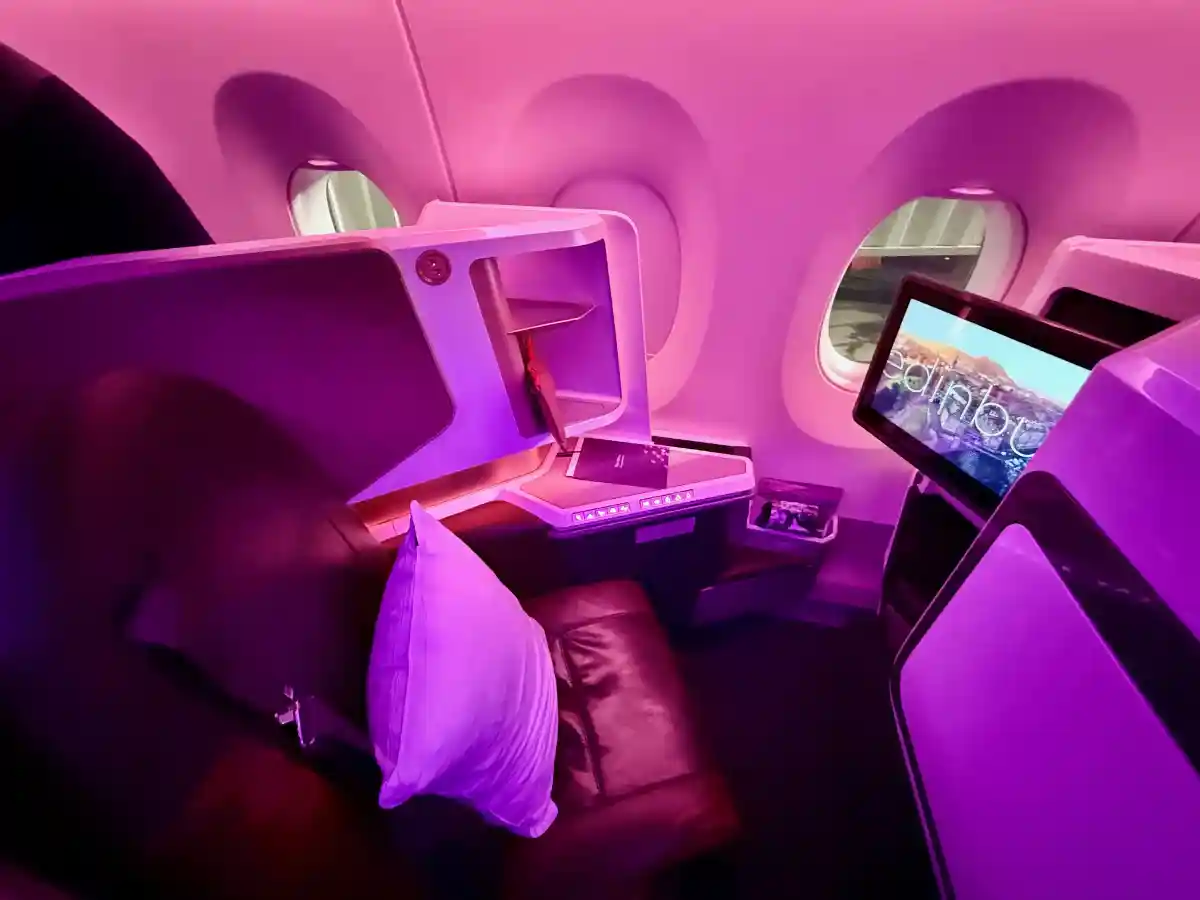
Instead, every suite features an extendable privacy panel measuring approximately eight inches. This panel shields passengers from immediate aisle traffic while maintaining visibility throughout the cabin.
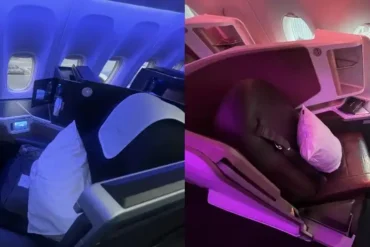
For travelers accustomed to products like Qatar Airways Qsuite, British Airways Club Suite, or Delta One Suites, the difference is immediately noticeable.
Yet this omission was not driven by cost-cutting alone.
Installing full-height suite doors introduces multiple engineering compromises. Additional structural components increase aircraft weight. Larger suite shells occupy valuable cabin volume. More enclosed seating often limits flexibility when optimizing bed dimensions.
Virgin Atlantic instead invested those design resources into maximizing sleeping comfort while preserving an open premium atmosphere.
Rather than isolating passengers behind doors, the airline relies upon careful seat orientation, shell geometry, and modest privacy panels to create sufficient separation without making the cabin feel enclosed.
The result is an environment that feels distinctly different from many competing premium cabins.
Digital Privacy Instead of Physical Barriers
Virgin Atlantic complemented its open cabin philosophy with technology rather than architecture.
Each Upper Class suite includes a digital “Do Not Disturb” function allowing passengers to communicate their preference for uninterrupted rest without verbally interacting with cabin crew.
This simple feature reflects an interesting shift in how airlines think about privacy.
Instead of relying exclusively on physical barriers, Virgin Atlantic treats privacy partly as a communication preference. Cabin crew can instantly recognize when passengers wish to sleep, reducing unnecessary interruptions while maintaining safety visibility throughout the cabin.
Because crew members retain visual access into each suite, service remains efficient while passengers still enjoy uninterrupted rest whenever desired.
This solution may not satisfy travelers seeking complete enclosure, but it demonstrates that privacy extends beyond walls and doors.
Sometimes reducing unwanted interaction can provide nearly as much comfort as physical isolation.
The Cabin Feels Larger Than Many Competitors
One unintended advantage of avoiding enclosed suites is the extraordinary feeling of spaciousness throughout the aircraft.
Many modern business class cabins resemble rows of compact private rooms connected by narrow corridors. While undeniably private, they can occasionally feel visually confined.
Virgin Atlantic deliberately pursued the opposite experience.
Without tall doors interrupting sightlines, the cabin appears wider, brighter, and significantly more open. Natural daylight reaches deeper into the aircraft, reducing the tunnel-like appearance often associated with enclosed business class suites.
Passengers retain awareness of the premium environment around them while still enjoying individual seating areas that feel generous and comfortable.
This openness contributes heavily to Virgin Atlantic’s signature cabin atmosphere.
Rather than attempting to recreate a miniature hotel room, the airline created something closer to an exclusive members’ lounge flying at 40,000 feet.
The Loft Reinforces Virgin Atlantic’s Social Philosophy
Virgin Atlantic’s design philosophy extends beyond individual seating.
The Airbus A350 introduced The Loft, a dedicated social space replacing the airline’s famous onboard bar.
Rather than encouraging passengers to remain inside enclosed suites throughout the journey, The Loft provides a comfortable area where travelers can stretch, enjoy refreshments, chat with companions, or simply experience a change of scenery during long flights.
This feature perfectly complements the airline’s broader approach.
The cabin encourages movement rather than isolation.
Passengers can sleep comfortably when needed, work efficiently during the day, and socialize whenever they choose.
Few airlines continue investing in communal premium spaces, making The Loft one of Virgin Atlantic’s most distinctive features.
The Airbus A330neo Took a Completely Different Direction
Interestingly, Virgin Atlantic later introduced an entirely different interpretation of Upper Class aboard its Airbus A330neo fleet.
This newer cabin embraces virtually every premium trend dominating today’s business class market.
Each suite features a fully closing privacy door, creating a much more enclosed environment. Passengers can completely separate themselves from aisle traffic and surrounding activity, delivering a more intimate experience throughout the flight.
Although the bed measures slightly shorter—approximately 78 to 79 inches—the trade-off clearly favors personal enclosure.
This represents a noticeable philosophical shift.
Where the A350 celebrates openness, the A330neo celebrates privacy.
Where one emphasizes unrestricted sleeping geometry, the other emphasizes psychological separation from the cabin.
Both products carry the same Upper Class branding despite delivering meaningfully different passenger experiences.
Aircraft Type Has Become Part of the Booking Decision
For frequent travelers, choosing Virgin Atlantic Upper Class now involves more than selecting the cabin.
The aircraft itself matters.
Many airlines strive to standardize their flagship products across long-haul fleets, ensuring passengers receive virtually identical experiences regardless of aircraft assignment.
Virgin Atlantic intentionally allows meaningful variation.
Someone booking an overnight eastbound Atlantic crossing may prefer the A350 specifically because of its exceptionally long bed.
Another traveler working throughout a daytime flight may deliberately seek the A330neo for its enclosed workspace and greater visual privacy.
This makes checking aircraft type an essential part of the booking process.
Passengers expecting privacy doors on every Upper Class flight could easily be surprised if they board an A350 without researching the aircraft beforehand.
Sleep Quality Versus Psychological Privacy
The contrast between Virgin Atlantic’s two flagship cabins ultimately reflects one fundamental question.
What defines luxury?
For some passengers, luxury means shutting the world outside.
Sliding doors create a personal sanctuary where distractions disappear and work can continue uninterrupted.
For others, luxury means unrestricted physical comfort.
An extra few inches of bed length can dramatically improve sleep quality on overnight flights, particularly for taller travelers who spend much of the journey resting.
Virgin Atlantic’s A350 clearly favors the second interpretation.
Rather than maximizing enclosure, it maximizes sleeping comfort.
Instead of creating miniature rooms, it creates exceptionally comfortable beds inside an elegant shared environment.
Neither philosophy is inherently superior.
They simply prioritize different passenger needs.
How Virgin Atlantic’s Two Upper Class Cabins Compare
| Feature | Airbus A350-1000 | Airbus A330neo |
|---|---|---|
| Cabin Layout | 1-2-1 | 1-2-1 |
| Upper Class Seats | 44 | 48 |
| Maximum Bed Length | 82 inches (208 cm) | Approximately 78–79 inches |
| Privacy Feature | 8-inch extendable privacy panel | Fully closing suite door |
| Cabin Atmosphere | Open, spacious, airy | Private, enclosed |
| Digital Do Not Disturb | Yes | Yes |
| Social Space | The Loft | The Loft |
The comparison highlights how Virgin Atlantic has effectively created two premium experiences within one brand. Neither cabin replaces the other; instead, each serves a different interpretation of premium travel.
Why Virgin Atlantic’s Strategy Stands Out
The aviation industry often moves in predictable waves.
Lie-flat seats became universal.
Direct aisle access became standard.
Suite doors rapidly followed.
Virgin Atlantic chose not to blindly follow every trend when developing its Airbus A350-1000.
Instead, the airline asked a different question: what if sleeping exceptionally well matters more than disappearing behind a door?
That question produced one of the industry’s most distinctive business class cabins.
Passengers receive generous personal space, exceptional bed length, thoughtful digital privacy features, and a bright cabin environment that feels remarkably welcoming.
Meanwhile, travelers who prioritize complete enclosure can still find exactly what they want aboard the airline’s Airbus A330neo fleet.
Rather than forcing one definition of luxury across every aircraft, Virgin Atlantic allows customers to decide which version better matches their own travel style.
In an era where many premium cabins increasingly resemble one another, that willingness to maintain two very different philosophies may be one of Virgin Atlantic’s boldest design decisions. The Airbus A350-1000 proves that luxury is not always about adding more walls and doors. Sometimes, it is about giving passengers the freedom to stretch out, sleep naturally, and enjoy a cabin that feels spacious long before the aircraft reaches its destination.