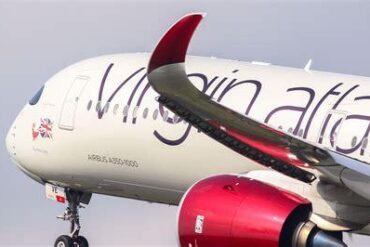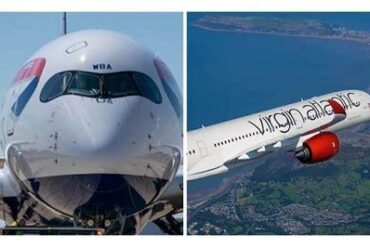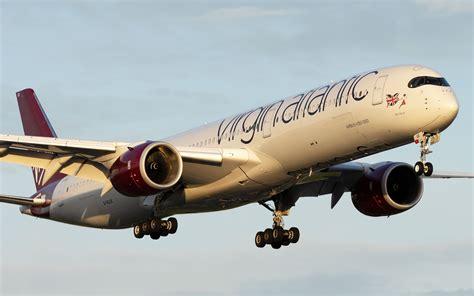
A Virgin Atlantic Airbus A350-1000 making an appearance at Palm Beach International Airport is not something aviation enthusiasts expect to see. The airline has no scheduled services to Palm Beach, and its network strategy has long focused on major international gateways rather than South Florida’s executive and leisure-focused airport. Yet on June 1, 2026, one of Virgin Atlantic’s flagship aircraft rolled onto the runway at PBI, creating immediate speculation among plane spotters and industry observers.
The mystery deepened when the aircraft departed only hours later for Hartsfield-Jackson Atlanta International Airport. The route seemed even more unusual than the arrival itself. Virgin Atlantic does not sell tickets between Palm Beach and Atlanta, nor does the airline operate domestic services within the United States. At first glance, the movement looked like an operational anomaly. In reality, it was one of the first visible signs that the 2026 FIFA World Cup was beginning to reshape aviation activity across North America.
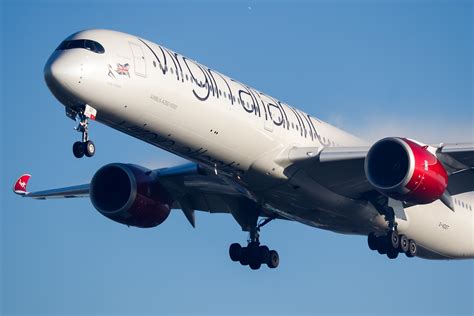
The aircraft involved was G-VRNB, one of Virgin Atlantic’s Airbus A350-1000s, carrying the name “Purple Rain.” Instead of transporting holidaymakers or business travelers, the jet was performing a special mission: delivering England’s national football team to its pre-tournament training base in Florida. What appeared to be a strange route was actually a carefully planned charter operation supporting one of the world’s biggest sporting events.
England’s Journey to Florida Ahead of the 2026 FIFA World Cup
As preparations intensified for the FIFA World Cup, national teams from around the globe began arriving at training camps scattered across the United States, Canada, and Mexico. England selected Palm Beach Gardens, Florida, as its operational base, providing players and staff with a controlled environment to prepare for the tournament.
To transport the squad, Virgin Atlantic operated a dedicated charter flight from Birmingham International Airport (BHX) directly to Palm Beach International Airport (PBI). The use of Birmingham rather than London reflected logistical convenience for the team and support personnel, allowing a streamlined departure process before crossing the Atlantic.
Unlike a commercial flight carrying hundreds of individual passengers with varying destinations, this operation was designed around a single customer. Every aspect of the journey, from scheduling and baggage handling to security and onboard services, was tailored to the needs of England’s national team.
The arrival generated considerable excitement among aviation enthusiasts because Palm Beach rarely hosts large long-haul aircraft from European carriers outside seasonal or specialized operations. The sight of Virgin Atlantic’s newest flagship aircraft parked on the apron was a highly unusual moment for the airport.
Why the Airbus A350-1000 Quickly Left Palm Beach
Once England’s players and staff had disembarked and transferred to their training facilities, the aircraft had no operational reason to remain in Florida. Modern airlines strive to maximize aircraft utilization, especially when dealing with high-value widebody jets such as the Airbus A350-1000.
Rather than parking the aircraft for an extended period, Virgin Atlantic repositioned it to Atlanta through a non-revenue ferry flight. The movement allowed the airline to place the aircraft back into its normal operating schedule as efficiently as possible.
Atlanta plays a critical role in Virgin Atlantic’s North American network. Through its joint venture partnership with Delta Air Lines, the airport serves as one of the airline’s most important connecting hubs in the United States. By relocating the aircraft to Atlanta, Virgin Atlantic could seamlessly reintegrate it into scheduled transatlantic operations.
The following day, the same aircraft resumed commercial service, operating a regular flight from Atlanta to London Heathrow Airport, demonstrating how quickly modern airlines transition aircraft between charter missions and routine passenger operations.
The Strategic Value of Virgin Atlantic’s Airbus A350-1000 Fleet
The Airbus A350-1000 has become one of the most important aircraft in Virgin Atlantic’s fleet. Designed for ultra-long-haul operations, the type combines exceptional range, high passenger capacity, and significantly improved fuel efficiency compared with previous-generation aircraft.
Virgin Atlantic operates a fleet of 12 Airbus A350-1000s, deploying them across some of its most important routes from London Heathrow, Manchester, and Edinburgh. The aircraft has become a centerpiece of the carrier’s long-haul strategy, helping it compete against major global airlines on routes spanning North America, the Caribbean, Africa, and Asia.
With a range exceeding 8,000 nautical miles, the A350-1000 can comfortably connect destinations across continents without operational limitations. Its spacious cabin, advanced air filtration systems, reduced cabin altitude, and quieter environment also make it an ideal choice for transporting sports teams undertaking demanding international journeys.
For elite athletes preparing for a major tournament, minimizing travel fatigue is a significant consideration. The aircraft’s modern design helps reduce passenger stress during long flights, making it particularly attractive for charter customers involved in high-performance sports.
A Long Relationship Between Virgin Atlantic and England’s National Team
Virgin Atlantic’s connection with England’s national football team extends back more than a decade. The airline has repeatedly been entrusted with transporting players, coaches, support staff, and equipment to major international competitions.
One of the most memorable examples occurred during the 2010 FIFA World Cup in South Africa, when Virgin Atlantic used an Airbus A340-600 to carry the squad. At the time, the A340-600 represented the airline’s premier long-haul aircraft, offering the capacity and range necessary for such a mission.
As fleet modernization accelerated, the Airbus A350-1000 naturally assumed this role. The aircraft provides improved operational economics while delivering a substantially better onboard experience. For charter customers, it offers a combination of efficiency, comfort, and flexibility that few aircraft can match.
The relationship highlights the trust that major sporting organizations place in experienced international airlines. Transporting a national team involves far more than simply operating a flight. Equipment, medical supplies, nutrition requirements, media personnel, and security considerations all demand meticulous planning.
How Sports Charters Have Become an Important Business Segment
Although scheduled passenger services remain Virgin Atlantic’s core business, sports charters have evolved into a valuable secondary market. These specialized operations allow airlines to generate revenue while showcasing flagship aircraft to high-profile clients.
Virgin Atlantic has become especially familiar with transporting teams participating in the NFL International Series and London Games. Over recent years, numerous American football franchises have crossed the Atlantic aboard the carrier’s Airbus A350-1000 fleet.
The airline’s experience handling professional sports organizations has strengthened its reputation within the charter sector. Teams often require customized catering, flexible scheduling, specialized cargo arrangements, and privacy measures that differ substantially from standard commercial operations.
Widebody aircraft such as the A350-1000 are particularly well suited for these missions because they offer abundant cargo capacity alongside spacious passenger accommodations. This combination enables airlines to transport athletes, staff, media personnel, and equipment within a single operation.
The 2026 FIFA World Cup Is Creating Rare Aviation Sightings Across North America
England’s arrival in Palm Beach represents only a small part of a much larger aviation story unfolding across the continent. With the World Cup hosted jointly by the United States, Canada, and Mexico, teams have dispersed across dozens of cities, generating aircraft movements rarely seen at many airports.
The tournament has effectively transformed North America into a massive aviation stage. Airports that typically handle domestic traffic are suddenly welcoming intercontinental aircraft from Europe, South America, Africa, and the Middle East.
Among the most notable arrivals is Spain’s national team traveling to Nashville aboard an Iberia Airbus A350-900. Because Iberia does not normally operate scheduled services to Tennessee, the appearance of one of its flagship aircraft attracted considerable attention from local aviation communities.
Similarly, Aerolíneas Argentinas brought an Airbus A330-200 into Kansas City, creating an exceptionally rare visit by Argentina’s flag carrier. EgyptAir’s Airbus A350-900 arrival in Cleveland also stood out, given the airline’s limited North American network.

Why Aviation Enthusiasts Are Watching Every World Cup Charter Flight
Major sporting events have always generated fascinating aviation activity, but the scale of the 2026 FIFA World Cup is creating opportunities unlike anything seen in recent years. Teams, sponsors, media organizations, government delegations, and support personnel are producing a constant flow of unusual flights.
For aviation enthusiasts, these movements provide opportunities to see aircraft types, airlines, and special liveries at airports where they would otherwise never appear. Every charter operation tells a unique story about logistics, planning, and international mobility.
The England charter perfectly illustrates this phenomenon. What initially looked like an inexplicable Virgin Atlantic flight to Palm Beach turned out to be a carefully orchestrated operation involving one of football’s most recognizable national teams. The subsequent repositioning flight to Atlanta was simply the final step in returning a valuable aircraft to its regular schedule.
As the tournament progresses, more unusual arrivals are expected across North America. Additional charters will transport teams between training bases and match venues, while knockout-stage progression could generate entirely new flight patterns. Should England advance deep into the competition, another Virgin Atlantic Airbus A350-1000 charter may ultimately depart from the northeastern United States after the tournament’s final stages.
For both football supporters and aircraft enthusiasts, that possibility adds another layer of intrigue to a World Cup already reshaping the continent’s aviation landscape. Virgin Atlantic’s brief stop in Palm Beach was not the launch of a new route, but it was an early reminder that when global sport and global aviation intersect, even the most unexpected airports can find themselves at the center of an international story.