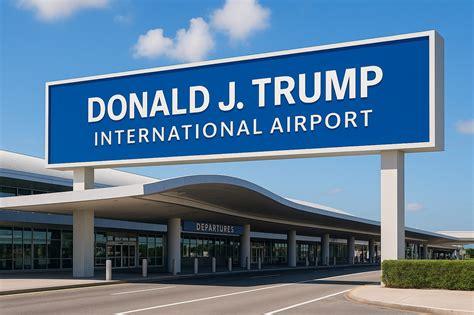
Florida has moved one step closer to renaming Palm Beach International Airport (PBI) after US President Donald J. Trump, following the signing of a new state law by Governor Ron DeSantis. The controversial yet highly publicized proposal has already passed through the Florida Legislature, and with the governor’s approval now secured, the plan enters its final stage. The only remaining barrier is approval from the Federal Aviation Administration (FAA), which must authorize the official airport name change at the national level.
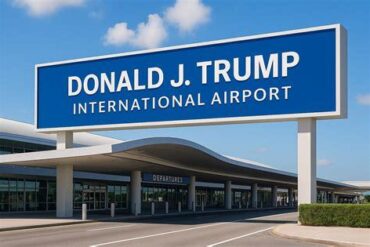
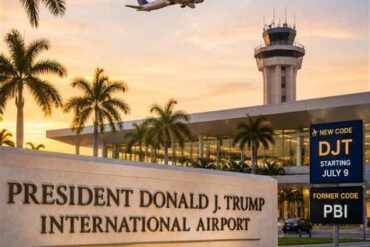
The proposal would transform the current name into “President Donald J. Trump International Airport.” Supporters argue that the renaming reflects Trump’s longstanding connection to Palm Beach County, while critics say the decision bypassed adequate community consultation. Regardless of the political debate, the legislative process has progressed swiftly, placing the airport at the center of a symbolic discussion about presidential legacy and regional identity.
Palm Beach International Airport holds a unique geographic and political significance. Located just a few miles from Mar-a-Lago, Trump’s well-known private residence and club, the airport has long served as the primary aviation gateway for the area. This proximity has reinforced the argument among supporters that attaching the president’s name to the airport represents a natural association between the location and one of its most prominent residents.
Legislative Approval Pushes Renaming Forward
The effort to rename the airport gained momentum earlier this year when Florida lawmakers voted in favor of the proposal. In the Florida House of Representatives, the measure passed with a decisive 81–31 vote, signaling strong support among the Republican majority. Shortly afterward, the Florida Senate approved the bill 25–11, sending the legislation to Governor DeSantis for final state authorization.
Once the governor signed the bill into law, the proposal officially became state policy. The new legislation establishes July 1 as the tentative implementation date, provided that the remaining federal approval process proceeds without complications.
Political reactions to the bill have been sharply divided. Supporters view the renaming as recognition of a sitting president who has deep ties to the region. Critics, however, argue that the move reflects partisan priorities rather than community consensus.
Congresswoman Lois Frankel, a Democrat representing parts of Palm Beach County, voiced strong opposition during the legislative debate. She criticized the state government for advancing the measure without giving local residents a meaningful opportunity to weigh in. According to Frankel, the process overlooked public input in favor of political symbolism.
Despite these objections, the bill’s comfortable passage through both legislative chambers highlights the strong political support it enjoys within Florida’s current state government.
Trademark Filings Signal Strategic Branding
As legislative discussions progressed, Donald Trump reportedly filed trademark applications covering multiple variations of the proposed airport name. These filings include “President Donald J. Trump International Airport” along with similar versions that could be used for branding or commercial purposes.
Trademark protection is a common strategy when high-profile names become associated with major infrastructure projects. Securing these rights ensures control over the branding tied to the airport’s identity, preventing unauthorized commercial use of the name if the renaming becomes official.
While trademark filings do not guarantee the name change will occur, they indicate that preparations for a potential rebranding are already underway. Should federal approval be granted, the airport’s signage, digital platforms, aviation databases, and official documentation would all require updates reflecting the new designation.
Such transitions typically involve coordination between airport authorities, airlines, federal regulators, and global aviation systems to ensure the updated name integrates smoothly with airline scheduling platforms and international aviation records.
FAA Approval: The Final Decision
Although Florida’s government has completed its portion of the process, the Federal Aviation Administration retains the final authority over airport naming changes within the United States. Because airport identifiers and official names are part of a nationwide aviation system, federal regulators must confirm that any new designation complies with operational standards.
If the FAA approves the proposal, the name “President Donald J. Trump International Airport” would officially replace Palm Beach International Airport beginning on July 1.
The FAA operates within the US Department of Transportation, meaning the agency is part of the federal government structure. Observers note that this relationship could make approval relatively straightforward, though the agency still follows administrative procedures before implementing such changes.
Airport renaming processes involve more than simply updating signage. The FAA must coordinate adjustments across air traffic control documentation, airport databases, airline reservation systems, and international aviation directories to ensure the change does not disrupt operational clarity.
Palm Beach International Airport’s Role in Florida Aviation
While not the largest airport in the state, Palm Beach International Airport remains a vital transportation hub for South Florida. According to aviation analytics firm Cirium, the airport ranks as Florida’s sixth-busiest airport by flight volume.
In April 2026, the airport is scheduled to handle 3,259 one-way passenger departures, placing it ahead of regional competitors such as Jacksonville, Sarasota, and Pensacola, while trailing major Florida hubs including Miami International Airport, Orlando International Airport, Fort Lauderdale-Hollywood International Airport, Tampa International Airport, and Southwest Florida International Airport in Fort Myers.
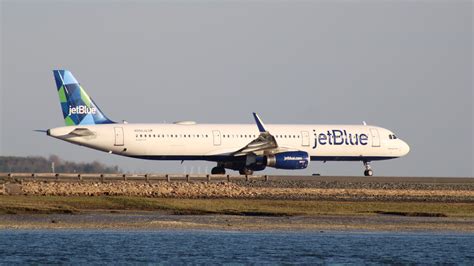
The airport’s airline network reflects a balanced mix of legacy carriers and low-cost operators. JetBlue leads the market with 905 scheduled departures in April 2026, offering over 147,000 passenger seats. Delta Air Lines follows with 658 flights, while American Airlines operates 613 departures from the airport.
Other significant carriers include United Airlines and Southwest Airlines, both maintaining substantial schedules at PBI. Several additional airlines provide smaller but important service connections, including Breeze Airways, Frontier Airlines, Spirit Airlines, Allegiant Air, Air Canada, Avelo Airlines, Bahamasair, and Porter Airlines.
Together, these carriers connect Palm Beach with major cities across the United States, Canada, and the Caribbean, reinforcing the airport’s importance as both a regional gateway and a tourism access point.
A Potential Addition to America’s Presidential Airports
If federal regulators grant approval, the renamed facility would join a select group of US airports named after former presidents. The most famous example remains John F. Kennedy International Airport (JFK) in New York City, one of the world’s busiest international gateways.
Other prominent examples include George Bush Intercontinental Airport (IAH) in Houston and Ronald Reagan Washington National Airport (DCA) in the US capital region.
Adding Trump’s name to Palm Beach’s primary airport would extend that tradition, linking presidential legacy with national transportation infrastructure. For supporters, it would symbolize recognition of a president closely associated with the region. For critics, it remains a reminder of the intense political divisions surrounding modern American leadership.
With the FAA’s decision still pending, Palm Beach International Airport now waits for the final determination that will decide whether the airport’s future identity becomes permanently tied to the name President Donald J. Trump.