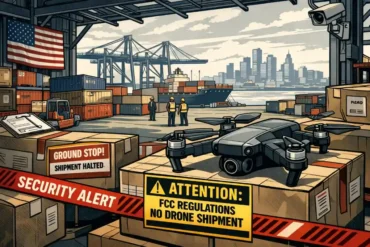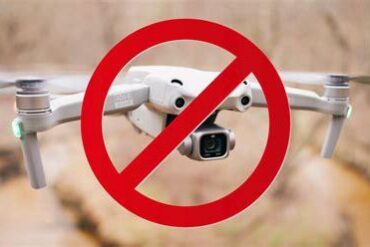
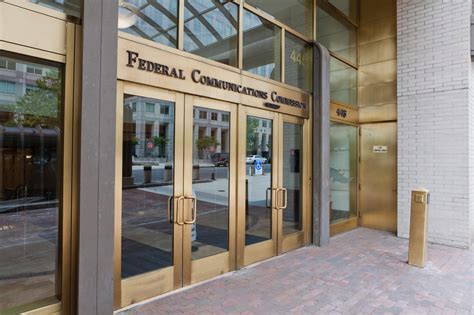
The Federal Communications Commission (FCC) has taken a decisive step toward what could become a nationwide ban on DJI drones in the United States, a move that has sent ripples through the tech and aviation communities. On November 6, 2025, the FCC voted unanimously (3-0) to close loopholes in its Covered List, which currently identifies companies and technologies considered to pose national security risks. The decision paves the way for banning not just future DJI products, but potentially existing ones as well — although retroactive enforcement remains legally and politically complex.

Why Is DJI in the Crosshairs of U.S. Regulators?
DJI, headquartered in Shenzhen, China, is the global leader in civilian drones, owning an estimated 70% of the consumer drone market. While admired for their cutting-edge innovation, reliability, and accessibility, DJI drones have been viewed by U.S. security agencies as potential conduits for espionage due to their radio frequency (RF) transmission technologies, which enable live data communication between the drone and remote operators.
U.S. intelligence agencies have raised alarms over the possibility of sensitive data — including geographic, infrastructural, and even biometric information — being transmitted to Chinese servers, either deliberately or through embedded backdoors. Although no definitive public evidence has been produced to substantiate these claims, the mere possibility has been enough to prompt action.
FCC’s Covered List and the Huawei Precedent
To understand the gravity of this development, it’s essential to look at how the FCC’s Covered List operates. Previously, companies such as Huawei and ZTE were included, which resulted in their products being banned from sale, distribution, or use in government contracts. The new FCC vote extends that principle, allowing for broader interpretation and potentially retroactive bans on products using flagged communication technologies.
FCC Chairwoman Jessica Rosenworcel stated the goal was to “protect America’s communication infrastructure from untrusted technologies,” emphasizing that drones capable of transmitting real-time video and telemetry data could serve as entry points for cyber threats.
Implications for DJI and the Drone Industry
The latest FCC vote does not automatically enforce a ban. Instead, it opens the path for targeted restrictions via a detailed rulemaking process, which includes public consultation and product-specific reviews. However, if the National Defense Authorization Act (NDAA) deadline passes without an audit of DJI, the company could be automatically blacklisted.
DJI’s Plea for Due Process
Adam Welsh, DJI’s Head of Global Policy, voiced frustration at the lack of transparency and fairness. According to Welsh, DJI has expressed willingness to undergo a formal audit for over 10 months without a response from the U.S. government. He remarked:
“The U.S. government has every right to strengthen national security measures, but this must go hand in hand with due process, fairness, and transparency.”
DJI has requested that the government either initiate the audit process or grant an extension, arguing that an automatic ban without evidence or the right to appeal would be unjust.
Will Existing DJI Drones Become Illegal?
A critical distinction must be made: this looming ban targets new sales, not the usage of drones already in consumer hands. So, if you already own a DJI drone, you are not required to stop using it — at least for now. However, institutions such as U.S. government agencies are already barred from purchasing or operating DJI drones due to prior regulations.
Despite this, uncertainty looms. A retroactive ban could theoretically affect support services, software updates, or access to repair parts. Some experts fear a scenario where a drone is perfectly legal to fly but becomes difficult or impossible to maintain due to supply chain constraints caused by the ban.
The Commercial and Recreational Fallout
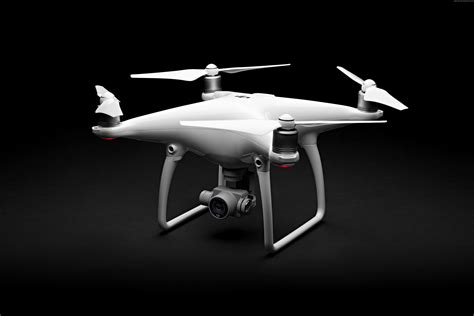
DJI drones are not just toys. They are essential tools in industries ranging from agriculture and infrastructure inspection to cinematography and public safety. A sweeping ban could disrupt workflows for:
- Emergency responders using drones for search and rescue
- Farmers relying on DJI’s aerial mapping and crop analysis tools
- Construction firms conducting site surveys
- Media professionals capturing high-resolution aerial footage
With alternatives often costlier and less sophisticated, a ban could cripple productivity and raise operational costs.
DJI Market Status: Already Hard to Find
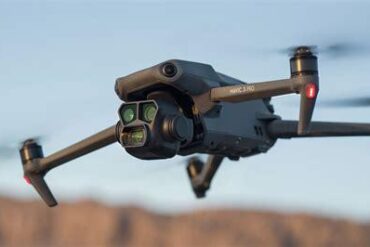
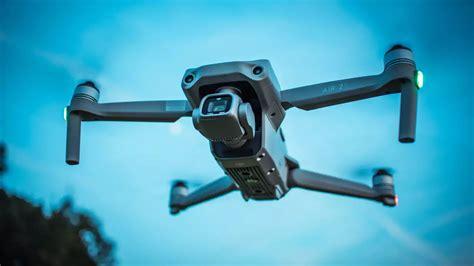
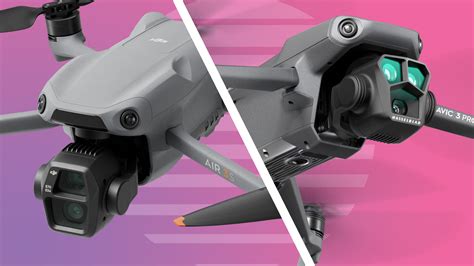
Even before the FCC’s decision, the availability of DJI drones had become an issue. Retailers report that many popular models — including the Mavic 3 and Air 2S — are either sold out or backordered. According to UAV Coach, inventory constraints, paired with regulatory uncertainty, are drying up DJI’s U.S. distribution channels.
This leaves consumers and professionals alike in a tough position. Should they stockpile remaining inventory or hold off on investing in gear that may become unsupported?
Is a Ban Justified Without Evidence?
One of the most contentious aspects of this move is that, so far, no public evidence has confirmed that DJI has used its products for surveillance or data exploitation. Critics argue that geopolitical motives may be shaping policy more than concrete facts.
Proponents of the ban counter that precautionary measures are essential in a world of asymmetric digital warfare, where cyber vulnerabilities can be exploited with devastating consequences. As such, the absence of proof is not proof of absence.
What Happens Next?
Here’s what to expect in the coming months:
- Public Consultation Period: Before specific DJI products are banned, regulators will invite public and industry feedback.
- Audit Deadline: If the DJI audit mandated under the NDAA does not occur by year’s end, the company may be banned by default.
- Retail Impact: Inventory may shrink even further, prompting a surge in prices and a secondhand market boom.
- Legal Challenges: DJI could pursue litigation or diplomatic routes to contest any enforcement.
Broader Tech War Context
The FCC’s action is one of many steps the U.S. government has taken in the broader tech cold war with China. From the banning of Huawei smartphones to restrictions on semiconductor exports, the underlying strategy appears to be one of digital decoupling — reducing America’s dependence on Chinese technology.
Such moves are not without consequences. American consumers and businesses often pay the price in the form of reduced product diversity, higher prices, and innovation slowdowns. Yet from a national security perspective, risk mitigation often supersedes convenience.
Final Thoughts: Prepare for a Future Without DJI
DJI’s potential exclusion from the U.S. market would mark a seismic shift in the drone ecosystem. It’s a warning shot not just to DJI but to any foreign tech company whose products interface with critical U.S. infrastructure. As the line between commercial electronics and national security threats blurs, we may be entering an era where innovation is as tightly regulated as it is celebrated.
Consumers, professionals, and retailers must now prepare for uncertainty. Whether by securing existing products, exploring alternative brands, or adapting operational workflows, the drone community in the U.S. must brace for a market forever changed by geopolitics.