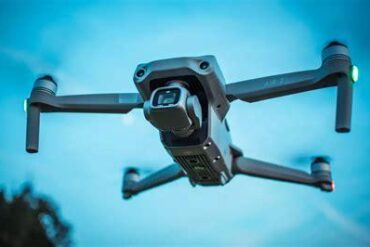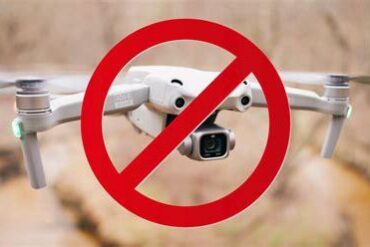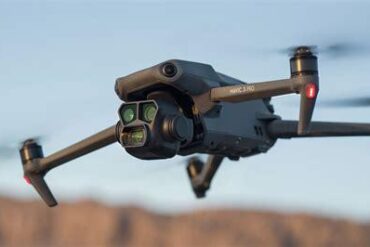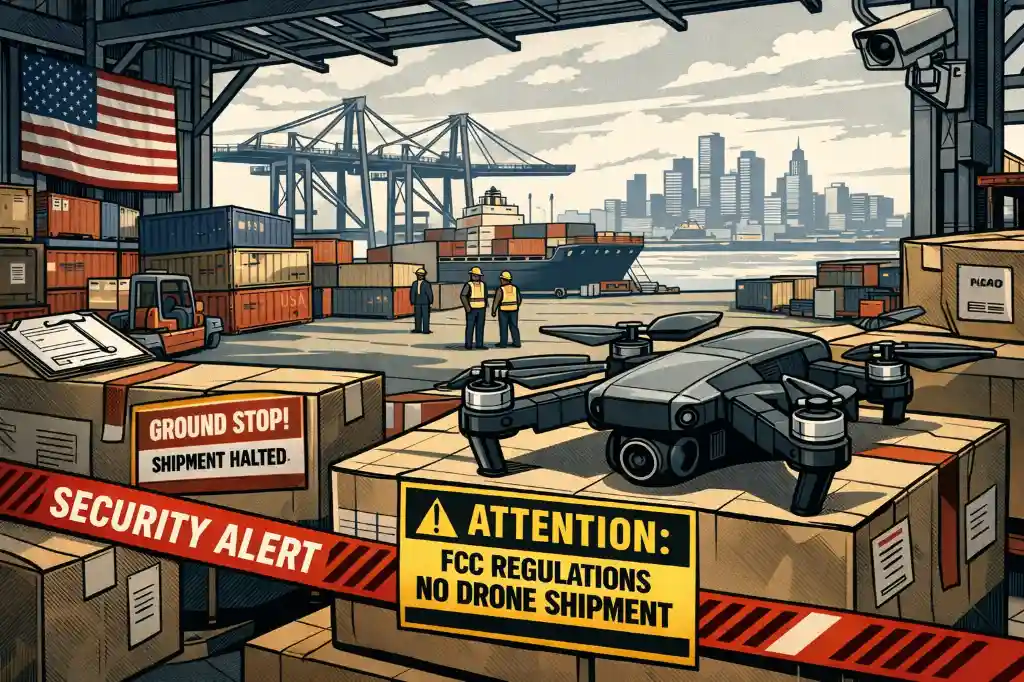
The Federal Communications Commission (FCC) has issued a landmark decision to ban the sale of all newly manufactured foreign-made drones and their components in the United States. Announced by FCC Chairman Brendan Carr on January 1, 2026, this sweeping action is being framed as a move to protect national security interests, citing concerns about the increasing use of drones by criminal networks and hostile foreign actors.
The measure, while not retroactive, significantly alters the trajectory of drone availability and technological advancement in the civilian sector. All current models remain available for sale, but no new foreign drone models will be certified in the U.S. going forward. This move bifurcates the drone market—foreign models will stagnate in place, while only new American-made drones will be introduced to consumers and commercial entities.
FCC’s Security Justification and Strategic Implications
Chairman Carr emphasized the weaponization of drone technology by adversarial forces as a driving factor behind the ban. While concerns about malicious drone usage are valid—particularly with drones increasingly appearing in global conflict zones—the logic of targeting only foreign-made drones raises questions.

Critics point out the obvious: malicious actors can still acquire American drones. The policy seems less about preventing access to technology and more about strategically restructuring the global drone supply chain in favor of domestic manufacturing. Though framed as a national defense priority, the economic undercurrent is unmistakable.
U.S. Drone Industry Struggles to Compete
The ban exposes a deeper issue—the fragility of the American drone industry. Despite heavy interest from the Pentagon and first responders, the U.S. lacks the infrastructure and capacity to produce drones at scale. The Pentagon’s growing demand—including the U.S. Army’s goal to procure millions of drones—has catalyzed investments in domestic production. However, this demand outpaces current industrial output.
The most formidable obstacle remains China’s DJI, a company controlling more than 70% of the global drone market. DJI drones are known for their affordability, reliability, and technological superiority. This dominance has made it difficult for American alternatives to gain traction, especially when security and functionality must go hand-in-hand.
From Cybersecurity Threats to Trade Wars
The U.S. military already distanced itself from DJI years ago, citing cybersecurity risks and suspicions that these drones might transmit sensitive data to Chinese intelligence. In that context, the 2026 ban is a culmination of a long-brewing trade conflict, aggravated by broader geopolitical tensions, including those surrounding Taiwan and Chinese technology firms.
This ban mirrors past actions taken during previous administrations that targeted Huawei, ZTE, and other tech giants deemed potential threats. With drones now playing a crucial role in agriculture, infrastructure inspection, emergency response, and logistics, the stakes are higher than ever.
Who Gets Exceptions—And Why That Matters
The FCC ban does leave room for strategic exemptions. Military and homeland security agencies may still request waivers for specific foreign drone models, and it is likely that first responders and law enforcement units—who rely on advanced drone capabilities—will receive similar carve-outs.
This dual-track approach may seem pragmatic but highlights the inconsistency in policy enforcement. While private businesses and individuals are left with dated options or underdeveloped domestic alternatives, government agencies maintain access to cutting-edge foreign technology.
Impact on Commercial Sectors and Innovation Gaps
Drones are now indispensable tools in fields such as precision agriculture, construction, energy inspection, and environmental monitoring. The U.S. drone economy is valued at around $6 billion, and this ban could create a vacuum in innovation as domestic suppliers rush to fill a void left by halted foreign development.
Without the ability to access next-generation features, American businesses may fall behind global competitors. As the rest of the world embraces rapid drone advancements, the U.S. risks becoming an island of obsolete models—unless it can quickly scale, innovate, and reduce costs.

Toward a National Drone Renaissance?
This policy could, in theory, trigger a renaissance in American drone manufacturing, especially if backed by consistent funding, research incentives, and export ambitions. Military contracts may serve as launchpads for broader industrial growth, similar to what the defense sector did for aerospace and telecommunications in previous eras.
However, unless price, performance, and reliability match foreign standards, American drones will struggle to gain market share in the civilian domain. The key lies not just in excluding the competition, but in building superior alternatives that win on merit—not just on mandate.