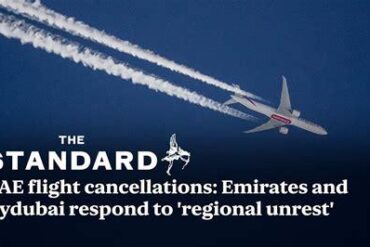
US and Israel airports are currently experiencing major disruptions as American Airlines and United Airlines have announced the extended suspension of flights to key destinations including Dubai, Doha, and Tel Aviv. This drastic measure comes in response to escalating regional tensions that have heightened security concerns for air travel in the Middle East. The cancellations are set to last through early July 2025, leaving many travelers stranded and creating a ripple effect of chaos across major airports.
Both airlines have prioritized the safety of passengers and crew, reflecting the ongoing volatility of the geopolitical situation in the region. In light of this, American Airlines has extended its suspension of flights between Philadelphia (PHL) and Doha (DOH) until June 30, 2025. Initially reinstated through a codeshare partnership with Qatar Airways, this route has now been halted after a comprehensive review of safety conditions.
The details of American Airlines’ flight cancellations are as follows:
- AA120 (PHL–DOH): Canceled from June 18 to June 30, 2025
- AA121 (DOH–PHL): Canceled from June 20 to July 3, 2025
The last outbound flight from Philadelphia to Doha was completed on June 17, while the return flight occurred on June 19. As of now, no additional flights for this route will be scheduled until the end of June, pending further evaluation of the regional conditions.
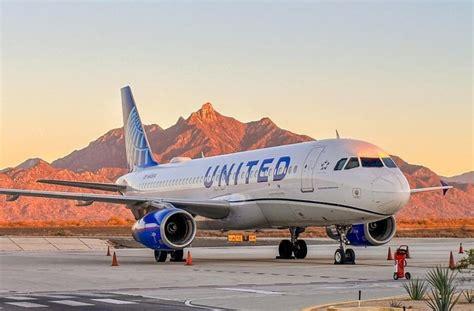
Similarly, United Airlines has also suspended its flights between Newark (EWR) and Dubai (DXB). This service disruption began on June 18, 2025, due to the ongoing unrest in the Gulf region, and will not resume until at least July 3, 2025. Here are the updates for United Airlines’ Dubai flights:
- UA164 (EWR–DXB): Canceled from June 18 to July 2, 2025
- UA163 (DXB–EWR): Canceled from June 20 to July 5, 2025
United Airlines’ decision underscores their commitment to passenger safety amid increasing geopolitical risks. Although they had previously operated regular flights on this route, the current climate has led to the suspension of services until the situation stabilizes.
In addition to the Dubai route, United Airlines has extended its suspension of flights to Tel Aviv (TLV), a decision that has been in place since October 2023 following the Hamas attacks on Israel. This suspension is effective through at least August 1, 2025, with no specified restart date provided by the airline.
The primary reason for these suspensions lies in the escalating tensions in the Middle East. The ongoing conflict between Iran and Israel, which has intensified over recent weeks, has prompted U.S. carriers to re-evaluate the risks associated with flying over and within this volatile region. As tensions continue to rise, airlines are exercising extreme caution when determining flight routes and schedules, with passenger safety being the utmost priority.
Delta Air Lines, another major U.S. carrier, remains unaffected by these specific suspensions, as it does not currently operate services beyond Israel in the Middle East. However, the broader implications of the current geopolitical situation are likely to influence airline operations across the industry.
The current flight suspensions are expected to last until late June or early July 2025, although this timeframe may shift depending on the evolving geopolitical climate. Airline officials have emphasized that they are closely monitoring the situation, ready to make further adjustments as necessary should the conflict escalate.
The impact of the ongoing Middle East conflict on airline operations cannot be overstated. Major airlines like American and United must navigate an increasingly complex landscape, balancing operational demands with heightened security concerns. Industry experts warn that if the situation worsens or spreads to neighboring countries, further disruptions in airline services could ensue, complicating travel plans for thousands of passengers.
Travelers are advised to remain vigilant and informed about any changes to their flight schedules, and to consult directly with their airlines for the latest updates. As the situation continues to unfold, the need for flexibility and responsiveness in airline operations has never been more critical. The unfolding events serve as a stark reminder of the interconnectedness of global travel and the profound impact that geopolitical factors can exert on airline operations and passenger experiences.
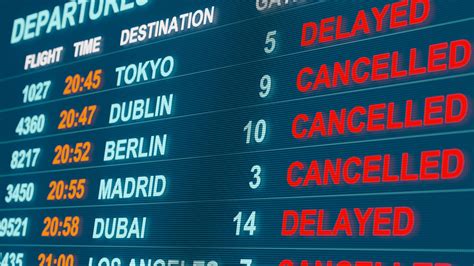
The current flight suspensions and cancellations underscore the importance of vigilance and adaptability in the face of unforeseen circumstances. With tensions persisting in the Middle East, travelers planning trips to affected regions should prepare for potential delays and cancellations, ensuring they stay updated on the latest developments affecting their travel plans.