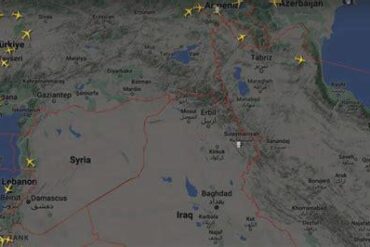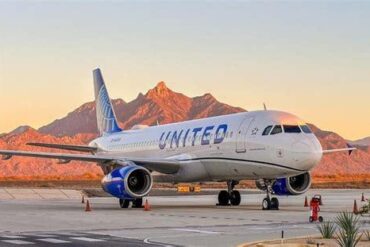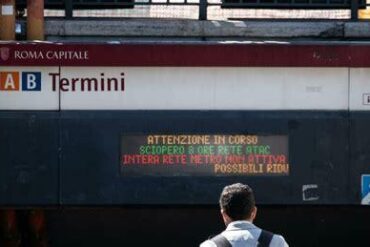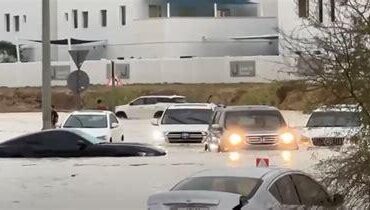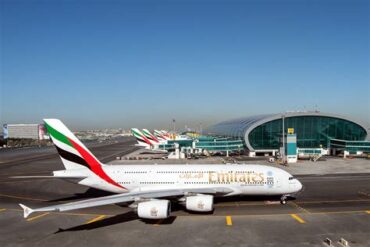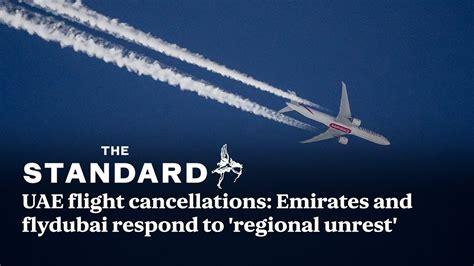
As tensions escalate in the Middle East, particularly with the recent outbreak of hostilities between Israel and Iran, UAE travelers are facing significant disruptions to their travel plans. The ripple effects of this conflict have extended beyond the region, creating a complex web of challenges for those who had planned journeys through or near the affected areas. With airlines forced to adjust flight routes and schedules, passengers are now experiencing widespread flight cancellations, delays, and rerouted travel. These changes are not only inconvenient but are also leading to increased financial strain as travelers scramble to make alternative arrangements.
The situation has become increasingly dire, as airspace closures and government advisories have made certain routes unsafe. Many flights that previously passed through these regions are now grounded, leaving travelers with limited options. Some passengers are finding their flights canceled outright, while others are faced with long detours that significantly extend their travel times. This sudden shift has left many travelers feeling vulnerable and uncertain about their plans.
The implications of these disruptions extend beyond mere inconvenience. Many travelers are grappling with unexpected financial burdens as they seek to rebook flights or find alternative means of transportation. The costs associated with last-minute changes can quickly escalate, especially when considering accommodation, meals, and other essential expenses that arise during extended waits at airports. For those whose travel itineraries have been thrown into chaos, the road ahead appears fraught with challenges.
The Hidden Pitfall of Travel Insurance
For many travelers in the UAE, the ongoing turmoil has unveiled a critical flaw in their travel plans: the limitations of standard travel insurance coverage during geopolitical crises. While most travelers invest in insurance with the expectation that it will protect them against a range of disruptions—including flight cancellations and emergencies—they may not be aware of the extensive exclusions that often accompany these policies.
Typically, standard travel insurance is designed to offer peace of mind; however, it often comes with significant exclusions. Many policies contain clauses that specifically limit or exclude coverage for events arising from war, terrorism, or political instability. As a result, travelers whose plans are disrupted by military activity, airspace restrictions, or government-imposed travel bans may find themselves without the necessary protection when they need it most.
What’s Excluded in Standard Insurance Policies?
The exclusions present in most travel insurance policies are typically detailed in the “general exclusions” section. Here, travelers will often find that disruptions related to war are explicitly listed as primary exclusions. This means that if a flight is canceled due to military conflict or an airspace shutdown resulting from such activities, standard insurance policies are unlikely to provide compensation.
Although many policies cover issues like delayed flights, missed connections, or lost luggage, the exclusions for events caused by war or political unrest can lead to significant financial consequences. For instance, if a traveler finds their flight canceled due to escalating military actions in the region, their insurance provider will likely deny coverage for the costs associated with booking an alternative flight. Similarly, those stranded at airports due to airspace closures may discover that expenses for accommodation, meals, or local transportation are also excluded.
Specialized Insurance for Conflict Zones
Given the unpredictable nature of geopolitical conflicts, it is crucial for travelers heading to regions at risk to consider purchasing specialized insurance coverage. Higher-tier insurance policies exist that offer specific protections against disruptions caused by terrorism, war, and political unrest. These policies generally cover a wide array of issues, including flight cancellations, medical emergencies, evacuations, and travel delays resulting from conflicts.
While specialized coverage offers enhanced protection, it often comes at a higher price. Such policies are usually not included in standard travel insurance packages and may require a separate purchase or premium upgrade. For those planning to travel to or through conflict-affected regions, evaluating the additional cost against the level of protection it provides is an important consideration.
The Financial Consequences of Exclusions
The financial impact of these exclusions can be severe. When a flight is canceled or rerouted due to geopolitical issues, passengers may find themselves with little recourse. Not only must they bear the costs of rebooking flights, but they may also incur additional expenses related to accommodation, meals, and transportation—costs that are unlikely to be covered by standard insurance policies. These unanticipated costs can accumulate quickly, particularly if travelers are stranded for an extended period due to ongoing safety concerns or airspace restrictions.
For many, the burden of these unexpected expenses can be overwhelming, especially if their original insurance policy does not extend coverage to disruptions resulting from political unrest or military activity. In such scenarios, travelers may be left with no choice but to absorb the full financial impact of their altered travel plans.
What UAE Travelers Can Do to Protect Themselves
In light of the ongoing volatility in the Middle East, it is imperative for travelers in the UAE to take proactive steps to safeguard their travel investments. Before purchasing any travel insurance, it is essential to thoroughly review the terms and conditions to fully understand what is covered and what is excluded. For individuals traveling to or through regions impacted by conflict, investing in specialized insurance that provides coverage for disruptions stemming from war or political instability is highly recommended.
Additionally, travelers should stay abreast of the latest geopolitical developments and how these may influence flight routes and airspace availability. By regularly monitoring government travel advisories, flight status updates, and airline announcements, travelers can better prepare for any changes to their travel plans.
Consideration of Specialized Policies
For those planning to visit areas of potential risk, the cost of specialized insurance may prove to be a worthwhile investment. While premiums for such policies can be higher than those for standard coverage, the peace of mind and financial security they provide in the event of conflict-related disruptions can be invaluable. By ensuring adequate coverage, travelers can avoid the shock of incurring unexpected costs arising from circumstances beyond their control.
In addition to obtaining appropriate insurance, travelers should also remain flexible and be prepared to adjust their itineraries or even cancel plans if necessary. Given the unpredictable nature of geopolitical conflicts, maintaining a degree of flexibility is crucial to navigating changing circumstances without incurring significant losses.
Final Thoughts: Staying Safe Amidst Uncertainty
The current geopolitical climate in the Middle East has highlighted the importance of being well-informed and adequately protected when traveling to or from regions experiencing instability. For travelers in the UAE, understanding the limitations of standard travel insurance and taking measures to secure comprehensive coverage can help mitigate the risks associated with political unrest. By making informed decisions regarding insurance and staying vigilant about the evolving situation, travelers can ensure that their journeys remain as safe and secure as possible, even in these uncertain times.