The global aviation industry has always been sensitive to geopolitical shocks, but the ongoing conflict involving Iran is quickly emerging as one of the most expensive disruptions for airlines in recent years. As tensions ripple across energy markets, jet fuel prices have surged, forcing the four largest U.S. carriers—United Airlines, Delta Air Lines, American Airlines, and Southwest Airlines—to confront an unexpected financial burden. Analysts now estimate that the combined additional fuel expenses for these airlines could reach $11 billion in 2026, a development that may soon translate into higher airfares for millions of passengers.
While wars often seem distant from the everyday traveler, aviation is one of the industries most directly affected by global instability. Airlines rely on massive volumes of fuel every day, and even small fluctuations in oil prices can dramatically reshape their cost structures. As fuel prices climb amid supply concerns tied to Middle Eastern shipping routes, the consequences are already spreading through airline balance sheets—and eventually, ticket prices.
In the short term, passengers may notice only gradual fare increases. But if the conflict continues to disrupt energy supply chains, airlines could be forced to make deeper operational adjustments, ranging from capacity reductions to revised route strategies.
Why the Iran Conflict Is Driving Aviation Fuel Prices Higher
At the center of the current aviation cost surge lies the Strait of Hormuz, one of the world’s most strategically critical maritime chokepoints. A large percentage of global oil shipments pass through this narrow corridor connecting the Persian Gulf to international markets. As tensions escalate in the region, energy traders fear potential disruptions to oil transport, pushing prices upward.
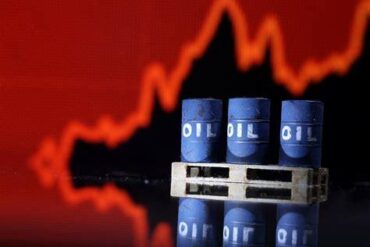
In recent weeks, jet fuel prices have climbed sharply. Market data shows that jet fuel peaked at approximately $3.95 per gallon before easing slightly to around $3.40 per gallon. Even with this partial stabilization, the U.S. government has revised its projected annual average jet fuel price to $2.67 per gallon, a significant increase compared to previous forecasts.
That adjustment represents a 37% rise from projections made just a month earlier, dramatically reshaping airline financial expectations. When scaled across the enormous fuel consumption of major U.S. carriers, the impact becomes staggering. Industry calculations suggest that the four dominant American airlines alone could collectively spend around $11.6 billion more on fuel than originally planned this year.
These numbers underscore how closely aviation is tied to global energy dynamics. Unlike many industries that can slowly adapt to cost increases, airlines must absorb fuel expenses immediately as aircraft continue flying daily schedules across thousands of routes.
Fuel: The Single Largest Expense in Airline Operations
Running an airline requires enormous financial resources, from aircraft maintenance to labor and airport fees. Yet fuel consistently stands as the largest operational cost across the global airline industry.
According to a 2024 report by the International Air Transport Association (IATA), aircraft fuel and oil accounted for approximately 28.7% of total airline operating costs worldwide. No other expense category comes close to that share. This means that when fuel prices surge—even temporarily—the financial shock can ripple through the entire airline business model.
The impact is particularly significant for airlines operating large and diverse fleets. U.S. carriers such as United, Delta, American, and Southwest manage hundreds of aircraft ranging from modern, fuel-efficient jets to older models that consume significantly more fuel per flight.
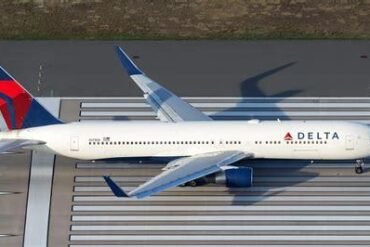
Among the newest aircraft entering airline fleets are next-generation models like the Airbus A350, Boeing 787 Dreamliner, and Airbus A320neo family, all designed to reduce fuel burn. These aircraft offer major efficiency improvements compared to older types such as the Boeing 717 or Boeing 767, which remain in service across parts of the U.S. airline network.
However, replacing older aircraft fleets takes years and billions of dollars in investment. In the meantime, airlines must continue operating a mix of new and aging jets, meaning fuel price spikes quickly translate into higher operating costs.
Why U.S. Airlines Are More Exposed to Fuel Price Swings
One factor amplifying the current crisis is the strategic difference between American and European airlines when it comes to fuel hedging.
Fuel hedging is a financial strategy that allows airlines to purchase future fuel supplies at predetermined prices. By locking in these rates through contracts with suppliers, airlines can shield themselves from sudden market spikes. If fuel prices rise dramatically, carriers with hedge agreements can continue paying the lower contracted price for a portion of their fuel needs.
Many European airline groups—including Lufthansa Group, IAG, Turkish Airlines, and Ryanair—regularly maintain multi-year fuel hedge contracts. These arrangements provide a buffer during volatile periods in global energy markets.
By contrast, most major U.S. airlines largely abandoned fuel hedging years ago after experiencing costly miscalculations during previous oil market swings. When fuel prices unexpectedly fell, airlines locked into higher hedge prices found themselves paying more than competitors buying fuel on the open market.
Since then, American carriers have generally preferred exposure to market prices rather than locking themselves into long-term contracts. That strategy can work well when fuel prices are stable or falling. But during geopolitical shocks—such as the current Middle Eastern conflict—it leaves airlines highly vulnerable to sudden price spikes.
What This Means for Airfares and Travelers
Ultimately, airlines cannot absorb massive fuel increases indefinitely. When costs surge, carriers typically respond through a combination of strategies designed to protect profitability while maintaining operational stability.
Some of the most common responses include:
- Gradual ticket price increases across major routes
- Reduced flight frequencies on lower-demand routes
- Delayed expansion plans or aircraft deliveries
- Operational efficiency initiatives across airline networks
The effect on passengers will likely emerge gradually rather than through immediate fare spikes. Airlines often raise prices subtly through dynamic pricing systems that adjust fares based on demand, fuel costs, and market competition.
Still, if the conflict persists and fuel prices remain elevated, travelers could begin to see noticeably higher fares across both domestic and international routes. Budget airlines, which operate on thinner margins, may be particularly sensitive to sustained cost increases.
Aviation’s Uncertain Outlook in a Volatile World
The aviation industry has always been shaped by forces far beyond the runway. Political tensions, global pandemics, economic downturns, and energy crises have repeatedly reshaped how airlines operate and how passengers travel.
The current conflict affecting Iran is another reminder of how interconnected global systems have become. Even airlines that rarely fly near the Middle East are feeling the financial impact of rising fuel costs driven by uncertainty in the region.
If tensions ease and energy markets stabilize, airlines may regain control over their cost structures relatively quickly. But if disruptions continue, the industry could face a prolonged period of financial pressure—one that reshapes ticket pricing, fleet strategies, and global route networks.
For travelers, the takeaway is simple but significant: the price of a plane ticket is increasingly tied not just to distance or demand, but to the fragile balance of geopolitics and global energy supply.