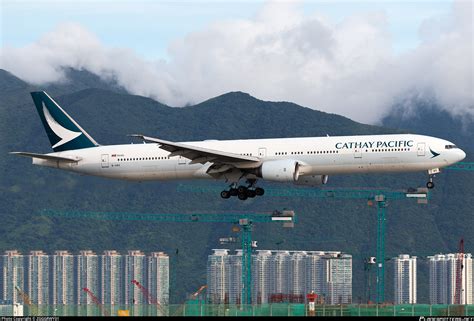
The global aviation industry has once again been pulled into the gravitational field of geopolitics. Cathay Pacific, Hong Kong’s flagship carrier, has confirmed a sweeping increase in its fuel surcharges across most of its international network, a move triggered by the dramatic rise in aviation fuel prices following the 2026 Iran crisis and the disruption of oil shipments through the Strait of Hormuz. For passengers, the change translates into noticeably higher ticket costs beginning March 18, 2026, as airlines scramble to absorb energy prices that have more than doubled in recent weeks.
The airline’s latest fuel surcharge update reveals that fares across long-haul and regional routes will rise by roughly US$100 on average, depending on the destination. Unlike optional upgrades or fare-class variations, the surcharge will apply regardless of ticket type, meaning economy, premium economy, business, and first-class travelers will all encounter the additional fee when booking new tickets.
Fuel surcharges are not new to aviation. Airlines have used them for decades as a financial shock absorber when oil prices spike unexpectedly. However, the current increase is particularly sharp because of how quickly global oil supply chains have been disrupted. With the Strait of Hormuz partially blocked, a major portion of the world’s seaborne oil exports has been thrown into uncertainty, sending jet fuel costs climbing at a pace few carriers had anticipated in their 2026 financial forecasts.
Fuel Costs Double as Global Energy Routes Disrupt
The catalyst behind Cathay Pacific’s decision lies far beyond the runways of Hong Kong International Airport (HKG). The escalating tensions surrounding Iran have constricted shipping through the Persian Gulf, where the Strait of Hormuz serves as one of the planet’s most critical energy arteries. Nearly one-fifth of global oil trade typically passes through this narrow channel.
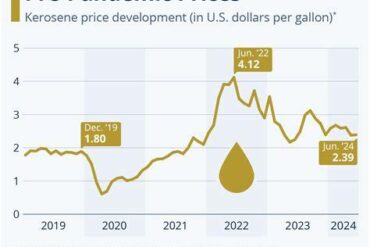
When access to that corridor becomes uncertain, oil markets react almost instantly. Jet fuel, which is refined from crude oil, follows the same upward trajectory. For airlines, fuel represents one of the largest operational expenses, often accounting for 20–30% of total costs in normal market conditions. When prices surge rapidly, the economic math of airline operations becomes brutally simple: either absorb the loss or pass part of the cost on to travelers.
Cathay Pacific has opted for the latter, explaining that the surcharge adjustment reflects industry-wide pressures rather than an isolated corporate decision.
New Fuel Surcharge Levels Across Ticket Markets
The airline has outlined updated surcharge levels depending on where tickets are purchased. Because Cathay Pacific sells tickets globally, the fuel surcharge is calculated in U.S. dollars, except in markets where regulatory or currency considerations require local pricing.
The new pricing structure includes:
- Canada:
Previous surcharge: CA$101
New surcharge: CA$202.60
- New Zealand:
Previous surcharge: NZ$127
New surcharge: NZ$252
- Hong Kong:
Previous surcharge: HK$569
New surcharge: HK$1,164
- Other international markets:
Previous surcharge: US$72.90
New surcharge: US$149.20
These figures represent an approximate doubling of fuel-related charges, mirroring the spike in jet fuel prices since the crisis intensified in the Middle East.
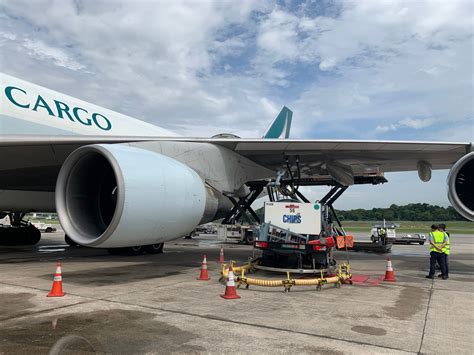
Regional Flights Also Face Noticeable Price Increases
Although long-haul routes bear the largest surcharges, travelers flying shorter regional routes will not be entirely spared. Cathay Pacific confirmed that short- and medium-haul flights will also experience a significant fee increase, though the total surcharge remains smaller than on intercontinental journeys.
For example, flights between Hong Kong and the South Asian subcontinent will see surcharges rise from HK$264 to HK$541. Meanwhile, routes connecting Japan, Hong Kong, and mainland China will increase from HK$142 to HK$290.
Even though these numbers appear modest compared with long-haul surcharges, they represent nearly a 100% increase, reinforcing how strongly fuel costs now influence airline pricing structures.
Importantly, passengers who have already purchased tickets before the March 18 implementation date will not be required to pay the additional surcharge, shielding earlier bookings from the sudden increase.
Network-Wide Impact Across Cathay Pacific Routes
The surcharge expansion will affect most flights operated by Cathay Pacific under its CX flight code, including routes linking Hong Kong with:
- North America
- Europe
- The Middle East
- Africa
- The Southwest Pacific
The policy also extends across a large portion of the airline’s codeshare partnerships, which allow passengers to book flights operated by partner carriers while still using a Cathay Pacific ticket. Codeshare routes potentially impacted include connections between the United States and Japan, Australia and Chile, and several transcontinental routes linking Europe, Africa, and South America.
However, a few exceptions exist. Fuel surcharges will not apply to certain ferry or coach services connected to Hong Kong, flights originating and purchased in Bangladesh, or Cathay Pacific marketing flights operating within Japan.
Airlines Worldwide Move to Offset Fuel Shock
Cathay Pacific is far from alone in adjusting its pricing strategy. Other major carriers, including Qantas, Jetstar, and Air New Zealand, have already announced similar surcharge increases across their domestic and international operations.
The pattern highlights a structural reality of modern aviation: airlines operate on relatively thin profit margins, often just a few percent in good years. When fuel prices double almost overnight, absorbing the entire increase internally can quickly push carriers into financial losses.
Fuel surcharges function as a temporary pressure valve, allowing airlines to maintain operational stability without rewriting their entire fare structure. Airlines typically review these charges monthly, adjusting them up or down depending on how energy markets evolve.
What Travelers Can Expect in the Months Ahead
For travelers planning international trips in 2026, the new Cathay Pacific surcharge represents a reminder that airline pricing remains closely tied to global events far beyond the airport terminal. If geopolitical tensions ease and oil supply routes reopen fully, the additional fees could eventually shrink or disappear.
For now, though, the aviation industry is navigating a turbulent economic crosswind. Until stability returns to global energy markets, higher airfares driven by fuel surcharges are likely to remain a defining feature of international travel.
In aviation, jet engines may provide the thrust—but geopolitics often decides the price of the ticket.