The global aviation industry is entering a turbulent phase as jet fuel prices climb to unprecedented highs, sending shockwaves through airlines, ticket pricing structures, and traveler behavior. What began as a sharp uptick in oil markets has quickly evolved into a full-scale cost crisis, forcing airlines to rethink operations and passengers to reconsider travel plans.
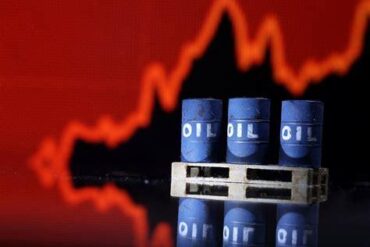
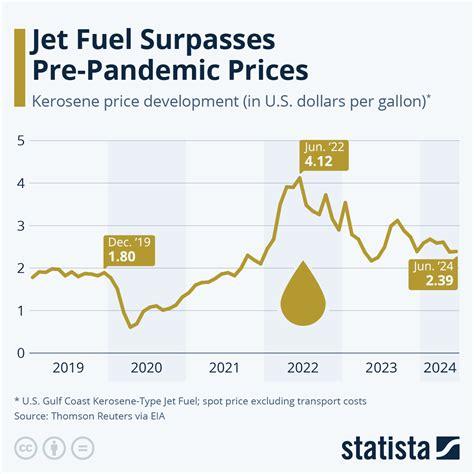
At the heart of this surge lies a volatile geopolitical landscape, with the ongoing conflict tied to the Iran War acting as a major catalyst. Fuel costs, which once hovered at relatively stable levels, have doubled within weeks. Globally, jet fuel surged from roughly $2.41 per gallon in early March 2026 to nearly $5 by month’s end. In the United States, the situation appears even more severe, with averages exceeding $7 per gallon and barrel prices peaking at $179.
These figures are not just statistics—they represent a profound shift in the economics of air travel. Airlines operate on razor-thin margins, and fuel alone can account for 20% to 30% of total operating costs. When prices spike this dramatically, the ripple effects are immediate and unavoidable.
Airfare Inflation and Reduced Flight Availability
As airlines scramble to maintain profitability, the most visible impact for consumers is the steady rise in ticket prices. Carriers are passing fuel costs directly onto passengers, resulting in noticeably higher fares across both domestic and international routes. Budget-friendly tickets are becoming increasingly scarce, replaced by pricing tiers that nudge travelers toward higher fare classes.
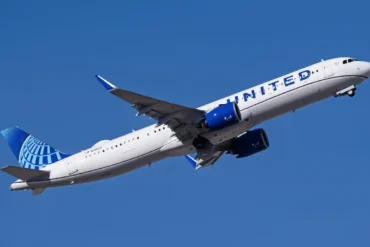
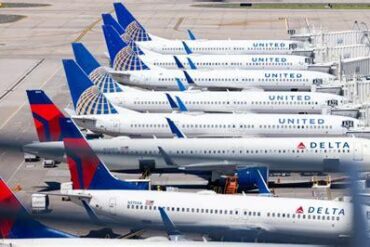
Major airlines such as United Airlines have already begun adjusting their schedules. Flights during off-peak periods—late nights and midweek departures—are being reduced or eliminated entirely. This strategic contraction allows airlines to concentrate demand on fewer flights, maximizing load factors while minimizing fuel consumption.
However, this also creates a tighter booking environment. Fewer flights mean fewer available seats, and those seats are often priced higher due to increased demand. Travelers who once enjoyed flexibility now face limited options and compressed travel windows, making planning more critical than ever.
The Strategic Shift in Airline Pricing Models
Beyond simple fare increases, airlines are quietly reshaping how tickets are sold. The traditional model of offering a wide range of pricing tiers is evolving into a more constrained system. Lower-cost seats are being reduced, encouraging passengers to upgrade to mid-tier fares that offer slightly better margins for airlines.
This shift is subtle but powerful. By limiting the availability of ultra-cheap tickets, airlines can control consumer behavior without overtly raising prices across all categories. It’s a calculated move designed to preserve profitability while maintaining the illusion of choice.
Additionally, ancillary revenue streams—such as baggage fees, seat selection, and priority boarding—are becoming even more critical. As base fares rise, these add-ons provide airlines with flexible income channels that help offset volatile fuel expenses.
Traveler Behavior in a High-Cost Aviation Era
For travelers, the impact is both financial and psychological. Rising airfare is prompting many to rethink how—and whether—they travel. Short-haul flights are increasingly being replaced by driving or rail alternatives, particularly in regions where high-speed train networks offer competitive travel times.
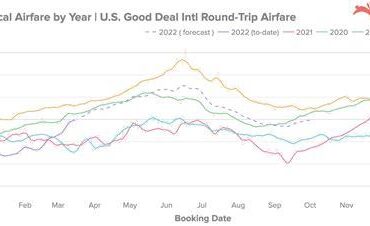
Those who must fly are adopting more strategic booking habits. Timing has become a decisive factor. Data suggests that booking windows remain crucial, with domestic flights best secured one to three months in advance, while international trips often require a two- to six-month lead time.
Platforms like Expedia highlight seasonal trends, noting that August often presents the lowest international fares. Meanwhile, tools from Google allow travelers to track price fluctuations, enabling quick action when fares temporarily dip.

Adaptive Strategies to Offset Rising Costs
Navigating this new landscape requires a proactive approach. Flexibility is no longer optional—it is a financial advantage. Travelers willing to adjust departure times, switch airlines, or accept alternative routes can unlock meaningful savings even in a high-cost environment.
Rebooking has also emerged as a valuable tactic. Airlines occasionally adjust fares downward due to demand shifts, and passengers who monitor these changes can cancel and rebook at lower rates. Frequent flyers, meanwhile, are leveraging loyalty programs and airline credit cards to accumulate points, effectively cushioning the impact of rising prices.
Yet, even the most disciplined strategies cannot fully eliminate the reality of increased travel costs. The current surge in jet fuel prices represents a structural challenge, not a temporary anomaly.
The Future of Air Travel in a Fuel-Constrained World
Looking ahead, the aviation industry faces a defining moment. Sustained high fuel prices could accelerate investments in fuel-efficient aircraft, alternative energy sources, and operational innovations aimed at reducing consumption. Airlines may also continue refining route networks, prioritizing high-demand corridors while trimming less profitable services.
For passengers, the era of ultra-cheap flights may be fading. Instead, travel will likely become more deliberate, with fewer spontaneous trips and greater emphasis on value and necessity.
The skies are still open—but they are no longer cheap.