The U.S. airline industry is experiencing a remarkable resurgence, with United Airlines now aligning with JetBlue, Southwest, Delta, and American Airlines as investor confidence reaches new heights. A blend of rising passenger demand, surging international bookings, and strategic corporate restructuring is catalyzing a sector-wide revival, pushing airline stocks higher than they’ve been in years. Mid-July 2025 has become a milestone moment—one that signals not just recovery, but a complete transformation in the aviation landscape.
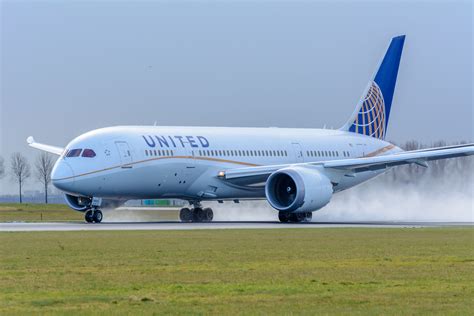
United Airlines’ Strategic Revival Leads the Charge
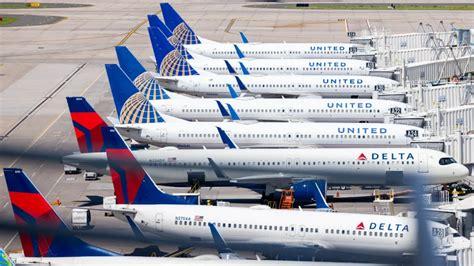
United Airlines (UAL) stole the spotlight on July 16, 2025, as its stock surged over 5.8%, fueled by a sharp resurgence in business and premium-class travel. With corporate bookings returning and high-yield passengers flocking to first and business class, United’s Q3 projections show a six-point increase in demand.
This spike is not coincidental—it reflects a decisive shift in travel behavior, as companies resume international meetings and conferences, and executives prioritize comfort and time efficiency. The airline’s strategic route restructuring, focusing heavily on key hubs like Newark and Chicago O’Hare, further boosts operational efficiency and profitability.
United’s continued digital transformation—from streamlined booking systems to enhanced customer service—has also become a cornerstone of its investor appeal, reflecting its agility and readiness to thrive in the new aviation economy.
JetBlue’s Tactical Rebound Captivates Wall Street
Among all carriers, JetBlue Airways (JBLU) delivered perhaps the most unexpected and strategic comeback. On July 16, its shares rose 3.7%, outperforming even its larger peers. This impressive climb is the result of disciplined route optimization, the phasing out of underperforming capacity, and the strategic deployment of fuel-efficient, next-generation aircraft.
JetBlue has leaned into its strength in transcontinental and Caribbean markets, reengineering its operations to maximize aircraft utilization. These moves, combined with a noticeable uptick in leisure and VFR (visiting friends and relatives) travel, have reignited confidence in JetBlue’s long-term value.
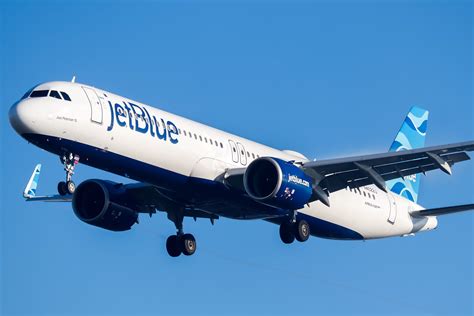
As sustainability becomes a growing concern among travelers, JetBlue’s fleet modernization efforts are drawing praise. The airline’s renewed focus on customer-centric innovation and lean cost structures marks it as a nimble player capable of thriving in a rapidly shifting travel ecosystem.
Delta Air Lines Reigns Supreme in the Premium Market
No airline has captured the luxury travel rebound quite like Delta Air Lines (DAL). The carrier posted record-breaking Q2 earnings, with stock jumping nearly 12% following the release of a $15.5 billion revenue figure and a $1.8 billion pre-tax profit. These results stem primarily from robust demand in premium cabins, where passengers are opting for Delta One suites and upgraded services over standard economy options.
Post-pandemic travelers are prioritizing space, comfort, and exclusive experiences—preferences that Delta has successfully catered to with its Sky Club expansions, elevated onboard offerings, and elite loyalty perks. This commitment to premium service has rewarded Delta with a Relative Strength (RS) rating of 84, underscoring its prominence not only within aviation but across transportation sectors.

Southwest and American: Stability Over Spectacle
While United, Delta, and JetBlue shine, Southwest (LUV) and American Airlines (AAL) are experiencing more muted growth. Southwest saw a modest 0.75% stock gain on July 16, signaling stability rather than breakout momentum. Despite its dominance in domestic leisure travel, Southwest continues to grapple with capacity misalignments and a weaker business travel segment. The emergence of ultra-low-cost competitors and JetBlue’s resurgence are further pressuring its positioning.
Meanwhile, American Airlines is treading water, with stock fluctuating between $12.04 and $12.55. The airline’s focus on debt restructuring, fleet upgrades, and transatlantic route rebuilding shows promise but has yet to yield significant stock movement. Still, if the broader demand environment continues to strengthen, both carriers stand to benefit from a rising tide.
Why Are Airline Stocks Rallying Now?
Several intersecting forces are driving this aviation stock boom, transforming what once looked like a fragile recovery into a full-scale financial renaissance:
Stabilized Consumer Confidence
As inflationary concerns taper and interest rates plateau, consumer sentiment is rebounding. Travelers are now acting on previously delayed travel plans, creating robust demand for domestic getaways and international excursions alike.
Predictable Fuel Costs
Jet fuel remains one of the largest and most volatile costs for airlines. In July 2025, stable oil prices have given carriers a breather, allowing them to manage expenses more effectively and offer competitive pricing without compromising margins.
Capacity Discipline Pays Off
Airlines have learned from past missteps. Instead of chasing scale, they are now targeting profitability through route curation and load factor optimization. These smarter capacity decisions are leading to higher revenue per available seat mile (RASM) and leaner, more sustainable operations.
Premium Travel Demand
Luxury is back—and booming. Airlines that have invested in comfort, convenience, and exclusivity are seeing substantial returns. The behavior shift among travelers toward business-class leisure travel is particularly beneficial for full-service carriers like Delta and United.

The Ripple Effect on Global Travel and Tourism
As U.S. airline stocks rise, downstream industries across the globe are reaping the benefits. Tourism boards, hotels, and local economies in popular international destinations are seeing a measurable impact. Places like Cancun, Tokyo, Rome, and Barcelona are enjoying increased airlift and higher tourist volumes.
Average daily rates (ADR) at hotels are climbing, restaurants and attractions are reporting stronger bookings, and global travel infrastructure is ramping up to meet surging demand. For many countries dependent on U.S. tourism, this renewed air connectivity is nothing short of a lifeline.
Investment Outlook: Aviation Stocks Reenter the Spotlight
Wall Street’s renewed interest in aviation is reflected in the rising inflows to sector ETFs, analyst upgrades, and a bullish reassessment of carrier fundamentals. JetBlue is viewed as a growth play, particularly for investors seeking undervalued assets with strong operational leverage. Delta and United, on the other hand, are emerging as premium equity picks, offering steady performance and market-leading positions.
Even American and Southwest, despite lagging in stock movement, are attracting speculative interest, especially as travel volumes continue to rise. Institutional investors are closely watching for Q3 earnings reports, which could further validate the recovery narrative.
Will This Rally Sustain Through 2025?
The future of airline stocks, while optimistic, is still tied to several key factors:
- Macroeconomic Trends: If inflation remains moderate and the labor market stays healthy, travel demand should remain strong.
- Fuel Price Stability: Airlines need oil prices to stay predictable to maintain profit margins.
- Geopolitical Climate: Any major conflicts or disruptions could hinder international travel and shake investor confidence.
- Regulatory Flexibility: Continued support from aviation authorities, particularly in slot management and international agreements, will be essential.
Should these variables hold steady, the rally could continue into Q4 2025, setting the stage for a record-breaking year in aviation.
Final Thoughts: From Turbulence to Takeoff
July 2025 is shaping up to be a watershed moment for U.S. airlines. As travel demand soars and financials strengthen, the sector is earning back the trust of investors and passengers alike. JetBlue, Delta, and United are proving that strategic foresight, premium service, and operational discipline are the winning formula in modern aviation.
For travelers, it means more flight options, improved service, and rising fares. For investors, it marks the reemergence of a once-beleaguered industry now poised to thrive. If this momentum holds, 2025 may well go down as the year the airline industry truly left its pandemic-era shadows behind—and soared into a profitable new era.