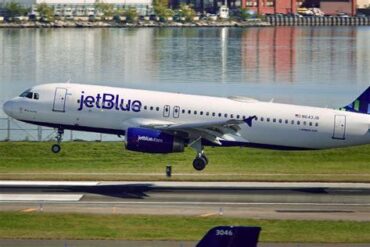
JetBlue Airways is under intensifying scrutiny from the financial community as its second-largest investor considers divesting a nearly 10 percent stake, a potential move triggered by the carrier’s ongoing financial woes and an underperforming recovery strategy. This development comes amid a turbulent year for the airline, marked by a 43 percent decline in stock value, tepid demand for air travel, and faltering cost-cutting measures that have failed to impress markets or stabilize operations.
Investor Confidence Wavers as Stock Deteriorates
The looming divestment signals a stark reversal in investor sentiment. In 2024, the unnamed major investor injected over $200 million into JetBlue, buoyed by a belief that the airline was poised for a post-pandemic rebound. That optimism was largely influenced by positive market trends and the investor’s own success in the 2021 GameStop surge, which had yielded massive gains. However, just a year later, JetBlue’s performance has unraveled, and the anticipated uptick in travel demand has fallen short.
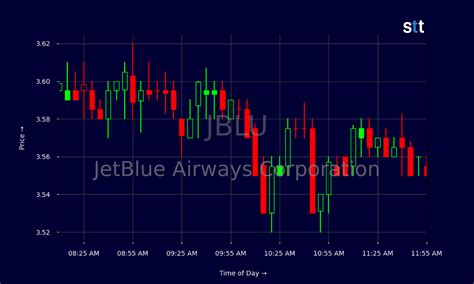
JetBlue’s 43 percent plunge in stock price reflects not only reduced consumer travel activity but also investor anxiety over the airline’s strategic execution. As operating costs climb and revenues fail to keep pace, shareholder patience is thinning. The 10 percent stake represents a major portion of the investor’s aviation portfolio, and its uncertain future now casts a long shadow over JetBlue’s financial trajectory.
The JetForward Gamble: A Bold Vision with Mounting Risks
In response to mounting losses and skepticism, JetBlue unveiled its JetForward plan—an ambitious effort to transform its cost structure and elevate earnings. The blueprint aims for $900 million in EBIT (Earnings Before Interest and Taxes) by 2027, relying on a suite of internal reforms, network optimizations, and premium offerings designed to drive higher margins.
Key components of the JetForward plan include:
- Cost reduction initiatives across fleet operations, maintenance, and staffing.
- Route optimization, with a focus on more profitable markets and reduced frequency on underperforming routes.
- Introduction of premium seating, targeting high-value customers seeking enhanced in-flight experiences.
Yet despite these initiatives, JetBlue continues to lag expectations. Revenues remain constrained by demand-side challenges, while execution gaps in the cost-saving efforts have prevented the airline from achieving material operational improvements. As the broader airline industry sees uneven recovery patterns, JetBlue’s comparatively weak position has only become more apparent.
A Stake That Could Trigger a Domino Effect
Should the investor proceed with the divestment, the repercussions could be significant. As one of the largest stakeholders in JetBlue, this move would not only affect direct valuation but may also undermine confidence across the shareholder base. Other institutional investors may interpret the sale as a red flag, accelerating further exits and pushing the stock into deeper losses.
Such an event would be more than symbolic. In capital markets, high-profile exits often ripple outward, sending signals of distress to analysts, potential partners, and even regulators. With JetBlue already on shaky ground, the loss of a major backer could close doors to new capital, diminish leverage in negotiations, and force further internal cuts.
Strategic Weaknesses in a Changing Airline Market
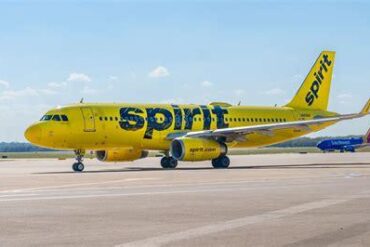
The airline industry, while showing post-pandemic signs of growth, remains highly susceptible to macroeconomic shifts, fuel price volatility, labor disputes, and evolving consumer behaviors. JetBlue, once hailed as a disruptive player among low-cost carriers, is now struggling to differentiate itself in a market dominated by giants like Delta and American Airlines, as well as nimble budget rivals such as Spirit and Frontier.
Its hybrid model—offering low fares alongside premium options—has yet to deliver the kind of stable profitability seen among more focused competitors. Additionally, rising fuel costs, pilot shortages, and airport congestion have only compounded internal inefficiencies.
JetBlue’s previous merger attempt with Spirit Airlines, which was ultimately blocked by regulators, further illustrates its challenges in scaling and achieving strategic synergy. The failure to realize that partnership left JetBlue isolated, lacking both the scale and pricing power needed to weather current headwinds.
Leadership’s Crucial Crossroads: Turnaround or Turmoil
JetBlue’s executive team is now in a make-or-break moment. The path forward hinges on whether the JetForward plan can begin to produce tangible results in the near term—results that investors can trust. Leadership must communicate clearer benchmarks, improve transparency on performance metrics, and present credible pathways to cost discipline and demand recovery.

CEO Robin Hayes, who has previously championed JetBlue’s customer-centric innovations, now finds his leadership under renewed scrutiny. While Hayes has emphasized that premium offerings and route rationalization will drive value, markets are looking for concrete proof—not just promises.
The coming quarters will test the leadership team’s agility and resolve. If JetBlue falls short of even interim earnings targets, the result could be a collapse of trust from institutional investors, greater resistance in capital markets, and potential board-level upheaval.
What a Divestment Would Mean for JetBlue’s Future
The consequences of a major investor divestment could extend beyond valuation. It could severely limit JetBlue’s ability to:
- Attract new strategic investors.
- Secure favorable credit terms from lenders.
- Engage in future M&A discussions.
- Expand or update fleet in line with sustainability goals.
The broader reputational hit would be difficult to reverse. Once market narratives solidify around failure, it becomes increasingly difficult to recast the airline as a viable, profitable entity. For JetBlue, this moment is as much about brand integrity and perception as it is about financials.
Can JetBlue Pull It Off?
It would be premature to declare JetBlue’s future doomed. The airline still holds several competitive advantages, including a strong presence in New York and Boston, a loyal customer base, and one of the youngest fleets in the U.S. market. If it can sharpen execution, particularly around premium revenue capture and efficiency upgrades, it might still find its footing.
JetBlue’s internal estimates suggest that if demand rebounds even modestly and the JetForward plan is implemented without major disruptions, EBIT margins could begin improving by mid-2026. However, external conditions must cooperate, and leadership must move swiftly to reassure stakeholders.

Much depends on passenger trends through the upcoming holiday seasons and business travel recovery in key corridors. Every quarter without measurable gains increases the risk of larger capital flight—and that, more than anything, could shape JetBlue’s destiny.
Final Thoughts: JetBlue’s Precarious Balancing Act
JetBlue now finds itself at a pivotal juncture where strategic vision must collide with operational reality. With a major investor potentially exiting, the pressure on its leadership team to deliver results has never been higher. The airline’s ability to stabilize its financial standing, reinvigorate investor trust, and maintain competitive relevance will determine whether it emerges as a revitalized player—or becomes a cautionary tale in the high-stakes world of commercial aviation.
For shareholders, employees, and loyal customers alike, the coming months will be a test of resolve, strategy, and execution. Whether JetBlue can soar once more—or continue its descent—remains to be seen.