Seattle-Tacoma International Airport, one of the West Coast’s busiest aviation hubs, experienced a sudden and severe operational breakdown on Saturday afternoon after a passenger aboard an Alaska Airlines-operated Horizon Air flight issued a direct threat during taxiing, prompting an emergency security response. The alarming event unfolded with a swiftness that underscored the razor-thin margins for safety and control in modern air travel. The resulting runway closures, flight cancellations, and terminal-wide delays left travelers stranded and the airport gridlocked, thrusting aviation safety protocols into the spotlight once again.
Sudden Threat Unleashes Full-Scale Emergency
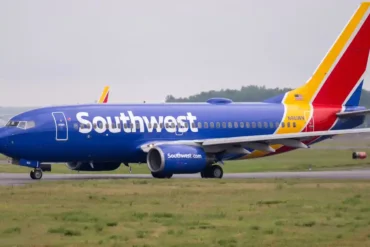
The crisis began in the early afternoon when a Horizon Air flight, operated under the Alaska Airlines brand, was preparing for departure to Walla Walla, Washington. As the aircraft was taxiing toward the runway, a male passenger reportedly made a verbal threat of such gravity that the cabin crew instantly alerted airport security. The nature of the threat has not been publicly detailed, but officials classified it as a “direct threat to the safety of the aircraft,” triggering an automatic escalation to emergency protocols.
Immediate Tactical Response and Runway Closure
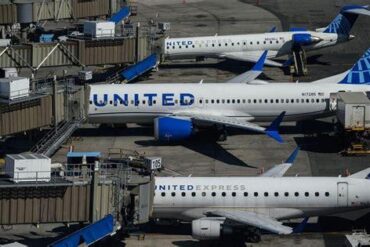
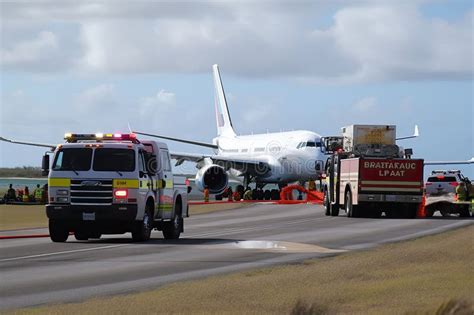
Once the crew relayed the alert, air traffic controllers instructed the aircraft to stop immediately and rerouted it to a secure location on the tarmac. Within minutes, Port of Seattle Police, fire units, bomb squads, and federal agents converged on the scene. The aircraft was surrounded, and two major runways were shut down, halting all inbound and outbound air traffic. These rapid actions effectively brought Seattle-Tacoma International Airport to a grinding halt.
Authorities acted swiftly, ensuring the aircraft was isolated from the terminal and other flights. Emergency teams remained on high alert as officers moved to detain the passenger in question. The suspect, whose identity remains undisclosed, was taken into custody without incident. There were no reported injuries among the passengers or crew, but tensions soared as the operation unfolded in full view of thousands of airport onlookers.
Widespread Flight Disruptions and Delays
The direct consequence of this mid-taxi threat was the temporary closure of two runways, leading to cascading delays throughout the afternoon and evening. At least six flights were canceled, while two incoming aircraft were diverted mid-air to alternate airports. The timing was particularly problematic: the airport was operating at near full capacity, with a high volume of weekend travelers and heavy summer schedules.
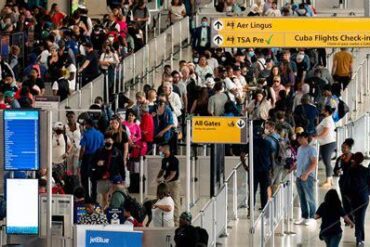
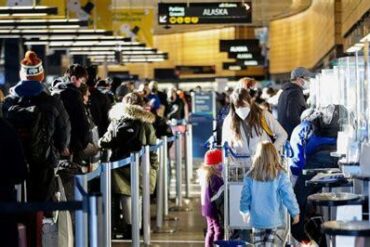
Gate changes, long lines, missed connections, and widespread frustration quickly defined the scene within the terminal. However, many travelers, despite the inconvenience, acknowledged the necessity of these drastic actions given the potential severity of the threat.
Passenger Evacuation and Heightened Screening
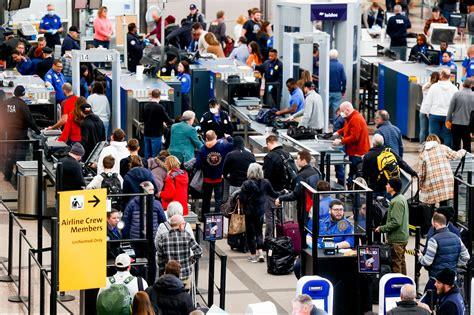
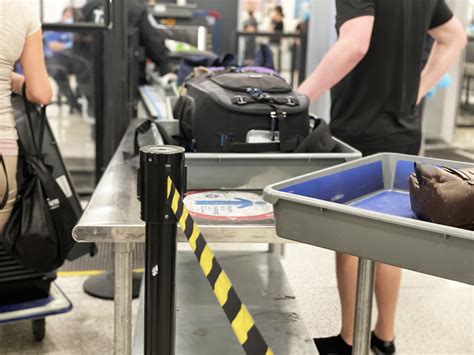
After the suspect was removed from the aircraft, the remaining passengers were carefully evacuated and subjected to enhanced screening measures. Transportation Security Administration (TSA) officers conducted secondary inspections for each passenger, re-screening individuals and their carry-on items before allowing them to proceed. This intensive layer of security delayed any onward travel for the affected individuals and necessitated rebooking for some.
Aircraft Inspection and Safety Protocols
The aircraft itself remained grounded as federal and local authorities conducted a comprehensive search, following advanced security protocols. Bomb-sniffing dogs, remote-detection devices, and manual searches were employed to rule out any physical danger. The aircraft will not return to service until it passes a complete security clearance.
Officials from the Port of Seattle confirmed that there were no additional threats found onboard but emphasized that full compliance with all federal safety procedures was non-negotiable in such a scenario. According to a spokesperson, the incident demonstrated how “swift coordination among flight crew, law enforcement, and emergency responders can contain potentially dangerous situations quickly.”
Traveler Impact and Terminal Atmosphere
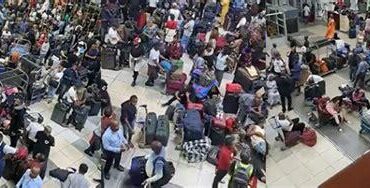
The incident rippled far beyond the isolated aircraft. Inside Sea-Tac’s terminals, the atmosphere grew tense as announcements of delays, cancellations, and gate changes became constant. Travelers were seen lining up at information desks, frantically refreshing airline apps, and in some cases, even booking alternative transportation. For some, the emotional toll of the disruption added to the physical exhaustion of altered plans.
Many passengers posted live updates and footage on social media, capturing scenes of emergency vehicles surrounding planes, long TSA re-check lines, and stranded travelers curled up on departure gate floors. While there were no injuries or physical harm reported, the psychological impact of such an intense and unpredictable interruption to travel plans was significant.
Professional Response Praised by Officials
Both Alaska Airlines and airport officials were quick to commend the actions of the flight crew and first responders. In a public statement, Alaska Airlines reiterated its commitment to “the highest standards of passenger safety and operational integrity.” It credited its flight attendants with recognizing the threat quickly and acting decisively. Law enforcement echoed the sentiment, pointing out that the threat, while ultimately contained without escalation, had the potential to cause far greater disruption or danger if not immediately addressed.
Ongoing Federal Investigation
The FBI and Department of Homeland Security are now leading the investigation, working alongside Port of Seattle Police to determine the suspect’s identity, background, and potential motive. Thus far, officials have not released any information about whether the passenger had known affiliations, was experiencing a mental health crisis, or if the threat was connected to any broader agenda.
Investigators are also analyzing cockpit voice recordings, crew incident reports, and passenger interviews to reconstruct the exact moment the threat was made. The findings will help determine if criminal charges will be filed and whether additional security policy changes are needed.
Spotlight on Aviation Security Measures
This incident has once again drawn national attention to the fragile balance between air travel efficiency and security vigilance. Sea-Tac’s ability to respond within minutes to an unpredictable threat demonstrates the critical importance of rehearsed protocols and seamless communication between flight crews, ATC, law enforcement, and emergency personnel.
Yet, the event also raises questions about passenger screening, mental health awareness, and real-time threat assessment aboard commercial aircraft. While current procedures were followed precisely, the potential risk still managed to throw an entire international airport into disarray.
Lessons in Crisis Management and Resilience
Seattle’s weekend crisis now joins a growing list of aviation-related incidents that serve as cautionary tales for airline operators and regulatory bodies worldwide. The blend of effective threat containment and rapid airport recovery offers both a blueprint for future preparedness and a stark reminder of the high stakes involved in aviation security.
Moving forward, the outcome of the investigation may influence how airlines train their staff to handle verbal threats, especially during sensitive stages of flight preparation such as taxiing. It may also prompt reevaluation of how quickly law enforcement should be deployed when threats are made before takeoff.
A Sobering Wake-Up Call for Passengers and Crews
Saturday’s unfolding at Seattle-Tacoma International Airport serves not only as an example of competent emergency response but also as a reminder to passengers about the seriousness of in-flight behavior. Verbal threats, even when not acted upon, carry weighty consequences that can derail hundreds of journeys and trigger the full force of national security mechanisms.
As of Sunday evening, flight schedules were beginning to normalize, though delays and rerouting continued to impact some departures and arrivals. The airport has since resumed full operations, but travelers are advised to check with their airlines for updated flight statuses in the days following the incident.
The event may fade from headlines in the coming days, but for those at Seattle Airport on June 15, 2025, the memory of emergency sirens, runway lockdowns, and the sight of armed officers storming a tarmac will remain vivid—a snapshot of the high-alert reality that underpins even the most routine travel plans.