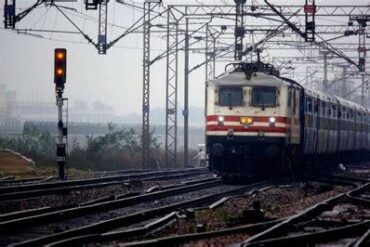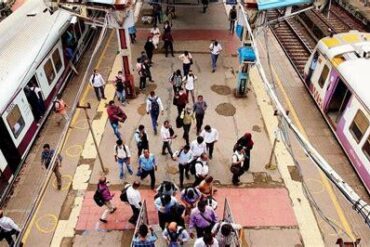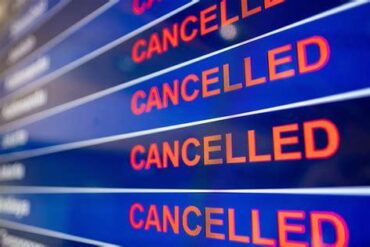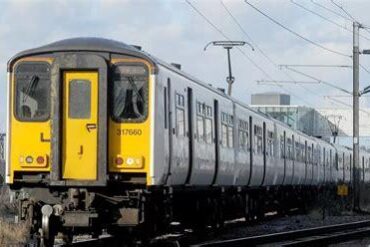
Chennai’s bustling suburban rail network faces an unusual test of resilience as Southern Railway announces a sweeping operational reshuffle, deploying special passenger trains in response to significant disruptions caused by engineering works on the Chennai Central–Gummidipundi route. With planned line and signal blocks scheduled for June 14, 16, and 19, daily commuters and intercity travelers are bracing for delays, route suspensions, and cascading impacts across the rail corridor.
The engineering works, part of a critical infrastructure upgrade along the Chennai Central–Gudur section, necessitate a daily four-hour block from 11:20 AM to 3:20 PM. This affects not just isolated stations but disrupts a vital rail artery connecting Chennai Beach, Moore Market Complex (MMC), Gummidipundi, Sullurupeta, and adjacent towns bordering Andhra Pradesh.
Impact on Daily Commuters and Regional Mobility
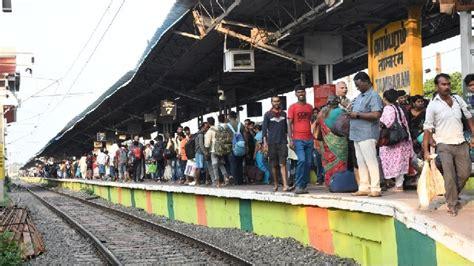
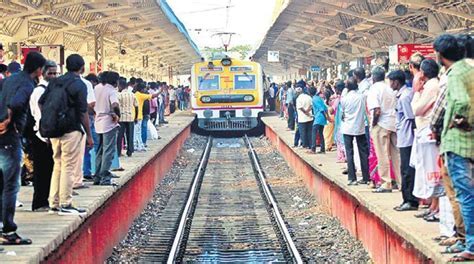
The affected stretch is a lifeline for thousands of office-goers and essential service workers commuting from northern suburbs to the Chennai metro region. Train cancellations and service suspensions during the mid-morning and afternoon periods have left many passengers scrambling for viable alternatives.
Among the worst-hit are services between Moore Market Complex and Sullurupeta, with key departures at 10:15 AM, 12:10 PM, and 1:05 PM fully cancelled. These services usually witness dense footfall from daily wage workers, students, and intercity travelers. Without reliable alternatives, these commuters face both lost productivity and higher transport costs.
The Gummidipundi-bound network also suffers notable disruptions. Return trains from MMC and Chennai Beach to Gummidipundi, including departures at 10:55 AM, 1:00 PM, 2:30 PM, and 3:15 PM, will not operate. This wave of cancellations cuts off significant intra-city and border-town connectivity at critical hours.
Ripple Effects on Long-Distance and Border Travel
While suburban rail passengers bear the immediate brunt, long-distance rail users are not spared. The 9:55 AM Chengalpattu–Gummidipundi and 3:00 PM Gummidipundi–Tambaram trains—both crucial for intercity transfers and southern-bound journeys—will be partially cancelled. These trains often act as connectors to longer-haul services and their absence increases dependence on overcrowded alternatives or unreliable road transport.
Adding to the chaos, several Sullurupeta–MMC services, such as those at 1:15 PM, 3:10 PM, and 9:00 PM, are also suspended. These are key return options for evening commuters and workers returning from Chennai city. Their absence affects cross-state mobility, particularly for Andhra Pradesh residents who rely on timely returns for employment, education, and family responsibilities.
Deployment of Special Passenger Trains: A Temporary Lifeline
In a bid to cushion the disruption, Southern Railway has rolled out six special trains on a limited-time schedule across the disrupted windows. These trains, though not comprehensive in coverage, aim to offer minimal connectivity relief for the worst-affected regions.
Key special services include:
- Moore Market Complex to Ponneri at 10:30 AM
- Moore Market Complex to Minjur at 11:35 AM
- Chennai Beach to Ponneri at 12:40 PM
- Return specials from Ponneri and Minjur during the afternoon
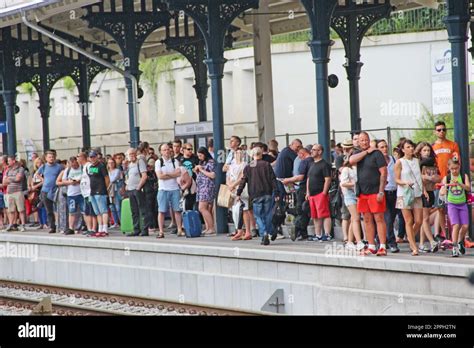
While these efforts are commendable, the volume of displaced passengers far exceeds the capacity of these ad hoc services. Commuters should anticipate overcrowded carriages, potential delays, and the challenge of accessing alternative boarding points during peak heat and humidity in Chennai’s June climate.

Systemic Implications of the Chennai–Gudur Upgrade Project
At the heart of this temporary disruption lies a long-term vision: enhancing the safety, efficiency, and capacity of the Chennai Central–Gudur corridor. The ongoing upgrade focuses on modernizing signal systems, track alignment, and train handling infrastructure that has, until now, struggled to meet the surging passenger demand and freight load.
Though the timing of the works has raised eyebrows—given the absence of a proper buffer or phased execution—the move is seen by insiders as a pre-emptive investment in rail safety, particularly crucial after past incidents of signal failures and derailments in the southern zone.
Once completed, the upgrades promise faster turnaround times, better punctuality, and enhanced safety—a welcome change for a network that routinely sees millions of daily footfalls and struggles to maintain optimal performance.
Southern Railway’s Advisory and Passenger Preparedness
Southern Railway has proactively urged passengers to monitor real-time updates via official platforms, mobile apps, and local announcements. Given the lack of substitute buses or parallel rail options in several affected areas, passengers are advised to plan travel ahead, use early morning or late evening trains, or explore temporary accommodation if travel during peak block hours is unavoidable.
Commuters with critical appointments—such as medical visits, exams, or flight connections—are especially encouraged to restructure their itineraries. The railway has also requested passengers to show patience and cooperation as teams work to expedite the engineering tasks within the stipulated three-day window.
Local Economic Impact and Disruption to Informal Sector
Beyond rail logistics, the train cancellations ripple into local economies. Vendors, food stall owners, auto-rickshaw drivers, and informal workers who rely on the predictable flow of suburban passengers face income disruptions. In places like Minjur, Gummidipundi, and Ponneri, daily wage laborers now struggle to reach job sites, risking both their livelihood and employer contracts.
The railway-dependent informal ecosystem in Chennai suburbs is a tightly woven fabric. Short-term interruptions can derail weeks of planning, particularly in sectors like construction, domestic labor, and small-scale manufacturing. Without sustained alternate transport plans, the pressure mounts on already strained local infrastructure.
Long-Term Benefits vs Short-Term Frustration
Despite immediate inconveniences, the engineering intervention is non-negotiable. The Chennai–Gudur stretch has long required upgrades to match growing commuter and freight demand. Persistent operational stress, aging signals, and inadequate handling capacity have made this route vulnerable to systemic failures.
Once complete, this project will enhance train frequency, reduce delays, and enable better integration with future high-speed or semi-high-speed services. Southern Railway’s efforts to modernize before a critical threshold is breached should be viewed not just as maintenance, but as forward-looking strategy.
Conclusion: A Test of Patience for a Safer, Smarter Network
The June 2025 Chennai suburban railway disruption is both a challenge and an opportunity. While thousands will face missed connections, longer commutes, and the discomfort of rerouting journeys, the sacrifice aligns with a broader vision of railway modernization and safety enhancement.
Passengers must stay updated, remain flexible, and see the short-term hardship as a down payment toward a more reliable and responsive suburban railway network. With adequate planning, cooperation, and awareness, the Chennai commuter community can turn this moment of disruption into a shared milestone toward transformation.