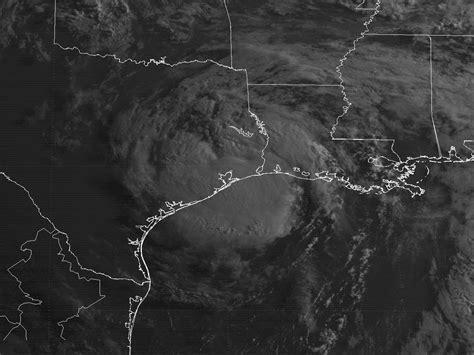
On July 8, 2025, the remnants of Tropical Storm Chantal wreaked havoc across the Eastern United States, triggering a chain reaction of flight cancellations and delays that rippled through some of the country’s most critical air corridors. While the Washington, D.C. metro area experienced only scattered showers and gusty winds, it became ground zero for a far-reaching disruption that impacted major carriers including American Airlines, United Airlines, JetBlue, Southwest Airlines, PSA Airlines, Republic Airways, Envoy Air, Jazz, and GoJet.
Storm Chantal’s Meteorological Impact
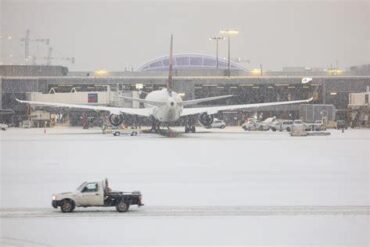
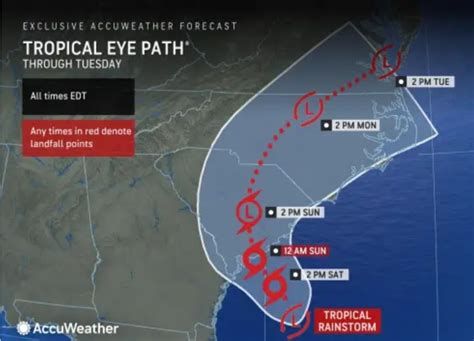
Though no longer classified as a tropical storm, Chantal’s lingering weather system still packed a destructive punch. The National Weather Service issued flood watches across the region, warning of rainfall rates reaching up to 2 inches per hour, particularly in Maryland and Virginia. The worst of the storm hovered north and east of D.C., with wind gusts topping 77 mph in locations like Columbia and Laurel.
Despite the relatively modest conditions within Washington, the region’s saturated ground from earlier rains made it vulnerable to flash flooding and tree collapses, leading to additional hazards and logistical complications.
The Epicenter: Reagan National and the Domino Effect
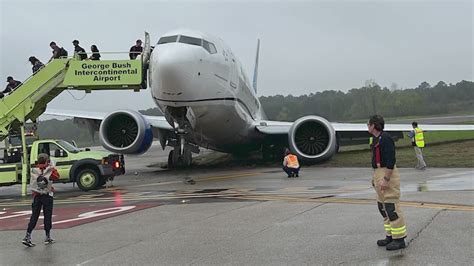
Reagan National Airport (DCA) in Washington, D.C. bore the brunt of the aviation chaos. With 117 flights canceled and 242 delayed, DCA became emblematic of a broader meltdown in air traffic operations. Across the East Coast, airports struggled to maintain normalcy. A total of 7,100 flights were canceled nationwide, with an additional 26,000 delayed, making this one of the most disruptive weather-related events of 2025 so far.
Airlines with significant operations at DCA, including American Airlines, United, Southwest, and JetBlue, were heavily impacted. Their hubs and spokes in cities like New York, Philadelphia, Charlotte, and Boston further magnified the ripple effects as aircraft and crews found themselves stranded or out of position.
Airline-by-Airline Breakdown of Disruptions
The following carriers experienced extensive delays and cancellations as they scrambled to adjust their operations:
- PSA Airlines: 39 cancellations, 63 delays
- Republic Airways: 28 cancellations, 23 delays
- American Airlines: 24 cancellations, 39 delays
- JetBlue: Numerous delays reported, especially in northeastern hubs
- Southwest Airlines: Delays concentrated around Baltimore-Washington and Reagan National
- Envoy Air, Jazz, and GoJet: Affected as regional partners with large East Coast schedules
These disruptions resulted in thousands of stranded passengers, many left without clear rebooking options due to cascading cancellations across connecting routes.
Airline Responses: Flexibility in the Eye of the Storm
Airlines responded swiftly by issuing travel waivers, rebooking flexibility, and customer advisories. Recognizing the scale of the unfolding travel mess, several major carriers relaxed rebooking restrictions to ease the pressure on their systems and passengers alike.
- American Airlines offered rebooking without change fees at 31 airports, primarily across the Mid-Atlantic and Midwest.
- United Airlines issued travel waivers for 10 major airports, focusing on the Mid-Atlantic corridor.
- JetBlue extended its advisory to eight airports, targeting high-impact cities like Boston, Newark, and D.C.
- Southwest Airlines released guidance covering five airports, with warnings about sustained delays.
These measures provided partial relief, but for many travelers, the effort came too late to salvage weekend or business itineraries.
Inside the Terminals: Passenger Frustration and Logistical Gridlock
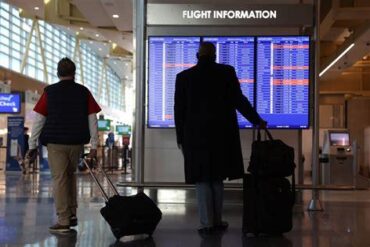
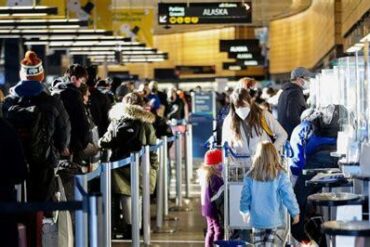
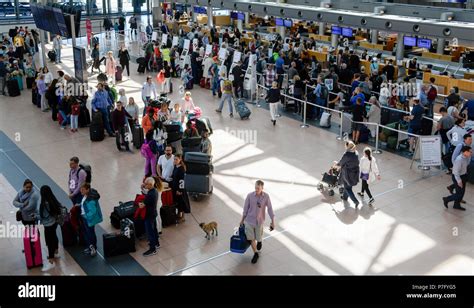
Within terminals, the atmosphere grew tense. Passengers recounted being stuck on aircraft for hours, queuing for hours more at rebooking counters, and receiving inconsistent updates from airline apps. Flight crews, many of whom had exceeded duty limits, were unable to resume service due to tight regulations.
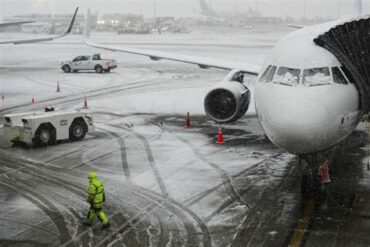
Local transportation also suffered. Flooded access roads, ground stop orders, and airport staff shortages further compounded delays, especially at DCA and Baltimore/Washington International (BWI). Hotels near major airports were fully booked by the afternoon, forcing many to spend the night in terminal waiting areas.
The Broader Impact on U.S. Aviation Infrastructure
This event underscored the fragility of the national air traffic network in the face of regional weather systems. While the storm was localized, the interconnected nature of U.S. airline operations meant delays and cancellations quickly escalated across the continental United States. Aircraft out of rotation, crew scheduling complications, and limited gate space meant that even airports unaffected by Chantal’s remnants felt the strain.
In cities like Chicago, Atlanta, and Dallas, indirect delays mounted as flights waiting for inbound aircraft from the East Coast were grounded. The backlog continued into July 9, with airlines playing catch-up on logistics and maintenance cycles.
Advice for Future Travelers Facing Weather Events
With summer storm season in full swing, travelers need to adopt a proactive stance:
- Always monitor weather patterns and alerts from the National Weather Service.
- Subscribe to airline text/email notifications for real-time flight updates.
- Build in extra time for layovers and alternate connections.
- Pack essentials in carry-ons, including chargers, medications, and snacks in case of extended airport waits.
Those flying through weather-sensitive hubs like DCA, Newark (EWR), or Charlotte (CLT) should consider booking morning flights, which are statistically less likely to be disrupted by cumulative delays.
Looking Ahead: More Storms on the Horizon?
Meteorologists are warning that the atmospheric conditions driving Storm Chantal’s remnants — namely high heat and extreme humidity — remain in place along the Eastern Seaboard. This raises the possibility of further convective activity and new storm cells in the coming days. The National Weather Service has not ruled out the development of additional systems that could pose similar threats to aviation.
Regional airports, already taxed by Chantal’s aftermath, may face further strain if another system emerges. Airline operations teams are now revisiting contingency plans, and passengers should expect elevated chances of schedule changes through the week.
Conclusion: Storm Chantal’s Travel Legacy
While the physical damage left by Storm Chantal may be limited, its operational impact has proven profound. The storm showcased how even degraded tropical systems can cripple air traffic, especially in regions dense with critical infrastructure. For airlines, the event serves as another reminder of the logistical complexity of modern air travel, and for passengers, it’s a call to remain vigilant, informed, and flexible.
As the summer unfolds, both aviation stakeholders and travelers alike must brace for more disruptions. But with better forecasting, smarter contingency planning, and proactive passenger engagement, the next storm doesn’t have to become the next national travel nightmare.