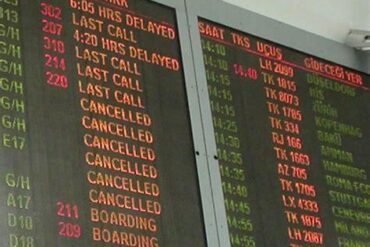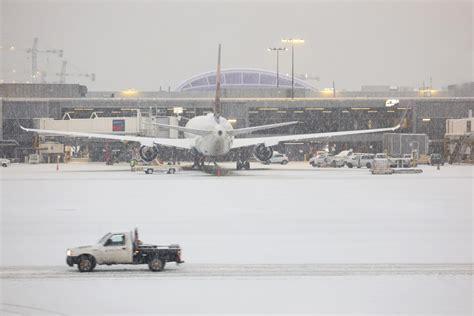
A sprawling winter storm is tearing across the United States, freezing schedules as thoroughly as runways. From New England to the Southwest, airlines have pulled the emergency brake, canceling more than 8,000 flights over a single weekend as snow, ice, and bitter cold converge on major travel corridors. The disruption is already among the largest weather-driven aviation shutdowns of the season, and the numbers are still climbing.
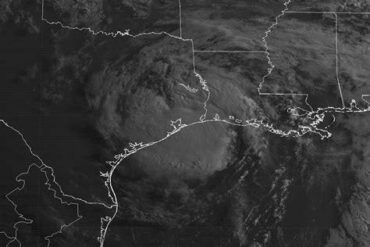
What makes this storm particularly punishing is its breadth. Snow is forecast as far east as Massachusetts, while winter weather advisories extend westward into New Mexico, slicing through key hub regions that airlines depend on to keep aircraft and crews flowing smoothly. When those hubs stall, the ripple effects spread fast—domestic and international routes alike feel the shock.
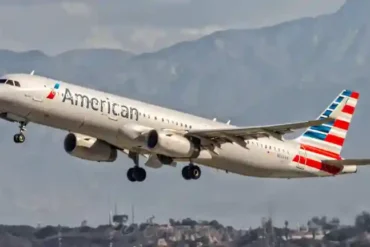
By early Friday, real-time tracking services showed the scale of the impact. American Airlines had already scrubbed more than 2,000 flights, Southwest Airlines crossed the 1,000-cancellation mark, and United Airlines eliminated over 500 departures scheduled for January 24 alone. Airlines are acting early by design, choosing controlled cancellations over cascading delays that strand passengers and aircraft in the wrong places.
Snow, Ice, and Cold: A Perfect Storm for Aviation
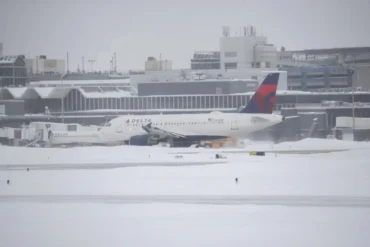
Winter weather is aviation’s most unforgiving stress test. Heavy snow slows runway operations, ice threatens aircraft performance, and extreme cold strains ground equipment and staffing. According to FlightAware data, more than 3,100 flights were canceled for Saturday, followed by nearly 5,000 more on Sunday. This front-loaded approach reflects an industry strategy refined by hard lessons: cancel early, preserve network stability later.
The forecast calls for a volatile mix—snowfall rates capable of overwhelming plowing operations, icing conditions that demand repeated de-icing cycles, and temperatures low enough to reduce allowable arrival and departure rates at already congested airports. Even when skies briefly clear, recovery is slow. Aircraft must be repositioned, crews must remain within duty limits, and airport congestion lingers like frost that refuses to melt.
Airlines Slash Schedules to Protect Safety and Networks
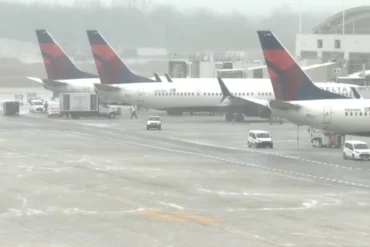
Carriers are not waiting for conditions to deteriorate further. Delta Air Lines preemptively canceled most flights from North Texas, Oklahoma, Arkansas, Louisiana, and Tennessee, prioritizing passenger and crew safety as the storm sweeps southeast. At the same time, airlines are making tactical moves to soften the blow where possible. American Airlines, for example, added 17 extra flights in and out of Dallas/Fort Worth International Airport ahead of the storm’s arrival, attempting to move travelers before conditions closed in.
These measures underscore a difficult balancing act. Proactive cancellations frustrate passengers in the short term, but they prevent aircraft from being stranded at snowbound airports—an outcome that can cripple schedules for days. In winter operations, restraint often preserves resilience.
Northeast Airports Bear the Brunt
The highest concentration of cancellations is clustering around the Northeast’s busiest gateways. New York JFK, Newark Liberty, and LaGuardia are seeing the most severe reductions as snowfall and de-icing requirements slash hourly capacity. Boston and Philadelphia are also under pressure, with knock-on effects spreading through connecting itineraries nationwide.
Once arrival rates are reduced, departures suffer too. Aircraft queue for de-icing, taxi times stretch, and missed takeoff slots cascade into additional delays. Even passengers flying far from the storm’s core may find their routes affected when inbound aircraft or crews fail to arrive on time.
Travel Waivers Offer Flexibility, Not Certainty
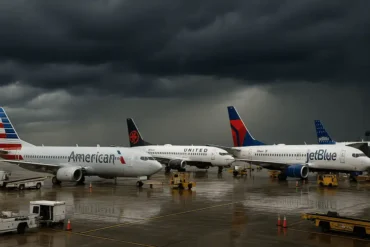
With plans in flux, airlines have activated broad travel waivers. Delta Air Lines is allowing fee-free changes across much of the eastern, central, and southeastern United States, covering hubs such as Boston, New York, and Philadelphia. American Airlines has extended similar flexibility to passengers traveling to or from 34 U.S. airports, while United Airlines is offering penalty-free changes for itineraries tied to more than 30 domestic airports between January 23 and January 25.
Waivers provide breathing room, but they do not guarantee immediate alternatives. Rebooking options depend on seat availability, aircraft positioning, and how quickly the network recovers once weather improves. For many travelers, patience becomes an unplanned companion.
Why Recovery Takes Days, Not Hours
Even after snowfall ends, aviation recovery is slow by necessity. Runways and taxiways must be continuously plowed to maintain friction standards. Aircraft require thorough de-icing, using specialized fluids to remove and prevent ice accumulation on wings and control surfaces. Airports may intentionally cap the number of arrivals and departures to manage congestion safely.
Airlines also face human limits. Crews delayed by weather may “time out” under strict duty regulations, forcing further cancellations. Aircraft parked overnight in the wrong cities must be repositioned before normal schedules can resume. These constraints explain why a single weekend storm can echo through timetables well into the following week.
What Travelers Should Expect Next
More cancellations remain likely as forecasts evolve and airlines fine-tune operations. International flights to and from affected U.S. airports are already being impacted, extending disruption beyond domestic borders. Travelers are urged to check flight status before leaving for the airport, monitor airline apps closely, and use self-service rebooking tools where possible to secure faster options.
This storm is a stark reminder of aviation’s delicate choreography. When winter asserts itself across half a continent, even the most sophisticated networks bend to physics and safety. For now, flexibility—and realistic expectations—are the most valuable items in any carry-on.