The United States aviation network faced a sweeping operational crisis as severe storm systems simultaneously struck multiple regions, bringing flight schedules to a near standstill between March 15 and March 16. What began as localized weather disturbances quickly escalated into a nationwide disruption, affecting major airport hubs and leaving thousands of travelers stranded or delayed. Snow and ice blanketed the Midwest, while powerful thunderstorms surged across the Southeast and Gulf Coast, creating a perfect storm of aviation gridlock.
Airports that typically function as high-efficiency transit arteries were forced to slow operations dramatically. Runways became hazardous, visibility dropped, and aircraft movement was constrained by safety protocols. The result was a cascading chain reaction across the national airspace system, where delays in one hub rippled outward, disrupting flights far beyond the immediate storm zones.
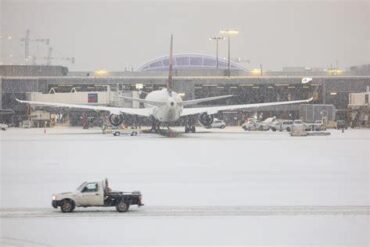
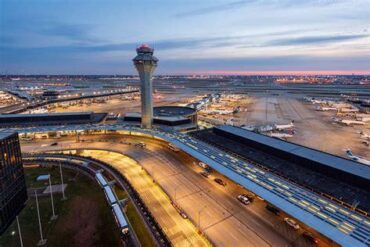
Among the hardest hit was Chicago O’Hare International Airport, a cornerstone of U.S. aviation infrastructure. Heavy snowfall and icy runway conditions forced authorities to reduce arrival and departure rates significantly. Crews worked continuously to treat runways and maintain operational safety, but capacity remained limited. The Federal Aviation Administration intervened with traffic management measures, including temporary ground stops, leading to hundreds of flight cancellations within hours.
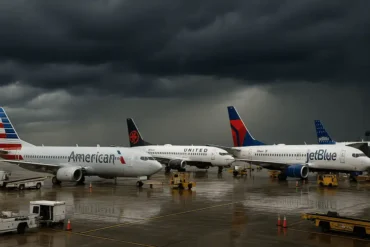
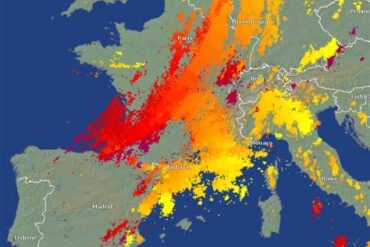
Further compounding the situation, Charlotte Douglas International Airport in North Carolina faced intense thunderstorms that disrupted flight arrivals. As lightning and turbulent weather swept through the region, aircraft were unable to land safely, forcing them to remain at their departure points. This bottleneck not only affected Charlotte but also triggered delays across connecting routes nationwide, especially for passengers relying on tight transfer schedules.
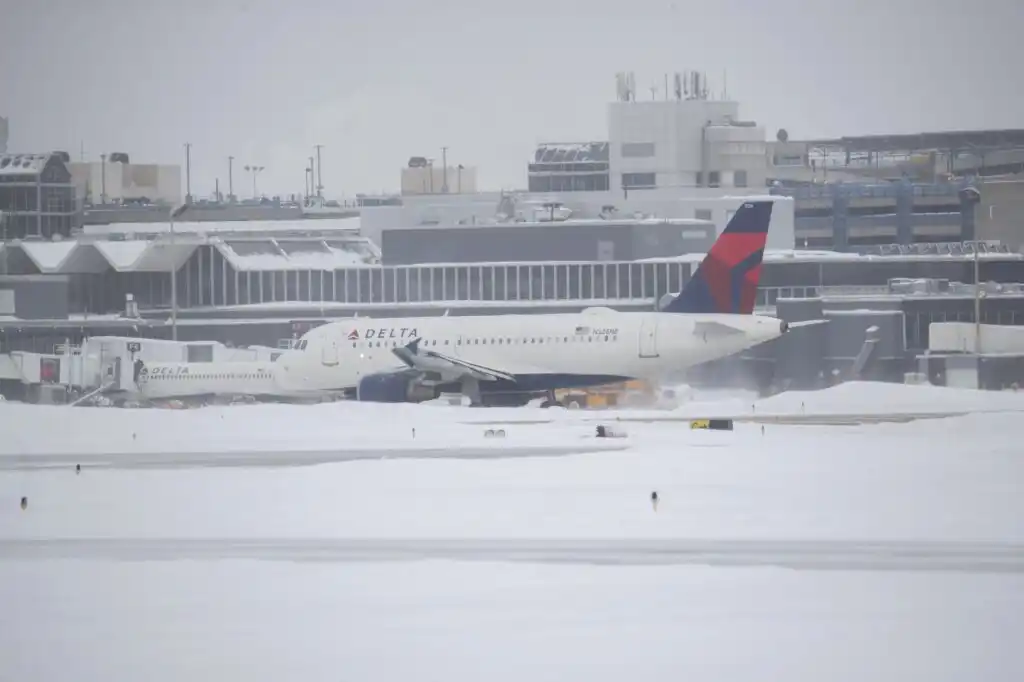
In Minneapolis–Saint Paul, winter weather added another layer of operational complexity. Aircraft required extensive deicing procedures before departure, significantly increasing turnaround times. Each additional minute spent preparing aircraft reduced the number of flights that could be processed, creating logistical pressure that built throughout the day. Airlines scrambled to adjust schedules, but the overlap of disruptions at multiple hubs made recovery increasingly difficult.
How Ground Stops Amplified Nationwide Flight Delays
One of the most impactful tools used during the crisis was the implementation of ground stops, a strategy designed to prevent aircraft from departing when destination airports cannot safely receive them. While effective for maintaining safety, this approach effectively freezes sections of the network, as planes remain grounded instead of entering already congested airspace.
The consequences are far-reaching. Aircraft scheduled for multiple flights throughout the day become unavailable, crews exceed duty limits, and passengers miss connections. What might have been a short delay quickly escalates into hours-long disruptions spanning multiple cities. This interconnected dependency is what makes the U.S. aviation system both efficient under normal conditions and highly vulnerable during widespread weather events.
The Critical Role of Hub Airports in System-Wide Disruptions
Major hub airports such as Chicago O’Hare and Charlotte Douglas are not just transit points—they are central nodes that sustain the entire air travel ecosystem. On a typical day, these airports handle thousands of flights, connecting domestic and international routes with remarkable precision. However, when even one of these hubs slows down, the effects propagate rapidly.
During this storm event, multiple hubs were impacted simultaneously, compounding the disruption. Airlines were forced to make rapid decisions about rerouting aircraft, delaying departures, or canceling flights altogether. This dynamic environment required constant coordination between air traffic control, airline operations centers, and ground crews, all working to minimize risk while managing an increasingly unstable schedule.
Weather Extremes Continue to Challenge Aviation Reliability
Weather remains one of the most unpredictable variables in aviation. Data indicates that extreme weather accounts for a significant portion of flight delays each year, with thunderstorms and winter storms posing the greatest challenges. Thunderstorms can block critical air corridors, forcing pilots to take longer, fuel-intensive routes. Meanwhile, snow and freezing conditions demand time-consuming runway clearing and aircraft preparation procedures.
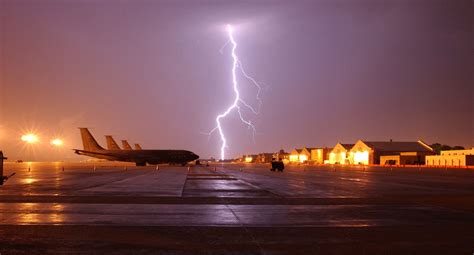
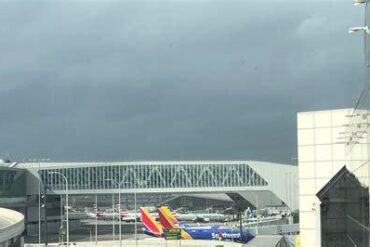
Houston’s George Bush Intercontinental Airport exemplified the challenges posed by storm activity in warmer regions. Thunderstorms brought heavy rain and lightning, conditions that can halt ramp operations entirely. Ground crews are unable to safely load baggage, refuel aircraft, or guide planes during lightning events, effectively pausing departures until conditions stabilize. These pauses, though necessary, contribute to a growing backlog of delayed flights.
Airline Recovery Efforts and Passenger Impact
Once storm systems begin to clear, airlines initiate recovery operations—but returning to normal is far from immediate. Aircraft and crews are often out of position, requiring careful coordination to realign schedules. In many cases, it takes several operational cycles—sometimes days—before full service is restored.
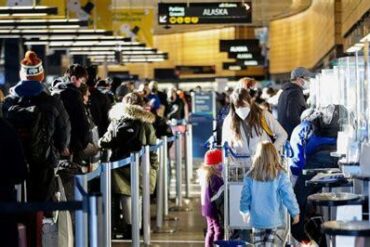
Passengers bear the brunt of these disruptions. Missed connections, extended layovers, and last-minute cancellations create a frustrating travel experience. Airlines typically advise travelers to monitor flight statuses closely and remain flexible with rebooking options. Despite technological advances in forecasting and air traffic management, large-scale weather events continue to expose the fragile balance of modern air travel.
Ultimately, this episode underscores a critical reality: even the most advanced aviation systems remain at the mercy of nature. When multiple storm fronts converge across key regions, the result is not just localized disruption but a nationwide slowdown that reveals the interconnected complexity of flight operations.