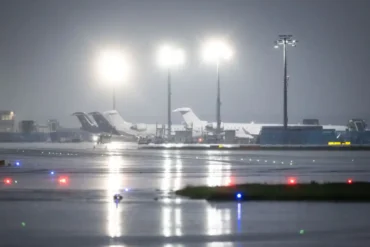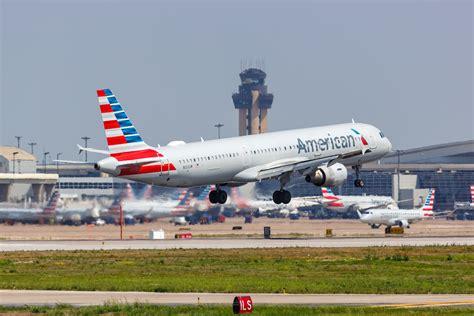
Dallas Fort Worth International Airport (DFW), one of the busiest air travel hubs in the United States, was severely impacted on Monday, July 14, 2025, as powerful thunderstorms ripped through North Texas, unleashing a chain reaction of air traffic delays across the country. The Federal Aviation Administration (FAA) swiftly responded by issuing a ground delay program to manage incoming and outbound traffic, citing concerns over safety due to extreme weather conditions.
The ground delay halted aircraft from departing their originating airports en route to DFW, effectively grounding thousands of passengers and rerouting air traffic in a strategic move to avoid congesting airspace already plagued by turbulence, low visibility, and lightning hazards. Although the program was tentatively scheduled to lift by 7:59 PM CDT, the delays had already caused more than 1,300 flight delays nationwide by that time.
FAA Declares Ground Delay to Ensure Air Traffic Safety
The FAA confirmed the implementation of a ground delay program, a common yet impactful maneuver used when deteriorating weather conditions threaten air safety. The delay required airlines to hold flights on the ground before departing for DFW, rather than risk mid-flight stacking in storm-prone airspace.
This measure wasn’t just limited to Dallas. Airports across the U.S., particularly in the Northeast and Southeast, experienced secondary disruptions as the DFW delay echoed through the national grid.
Extent of Flight Delays: Data from FAA and Airlines
FAA data paints a stark picture of the disruption:
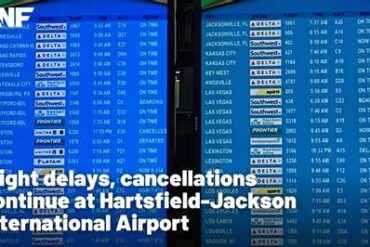
- Over 1,377 total flights were delayed across U.S. airports.
- 70 flights were outright canceled.
- More than 61 specific DFW-bound flights experienced notable delays.
Flights inbound to DFW showed average delays of 29 minutes, with major carriers like American Airlines reporting operational bottlenecks.
Verified examples include:
- American Airlines Flight 928 (Albuquerque to DFW) – 29-minute delay
- AA Flight 2234 (JFK to DFW) – 29-minute delay
- AA Flight 1919 (Miami to DFW) – 29-minute delay
- Envoy Air Flight 4227 (Houston to DFW) – 29-minute delay
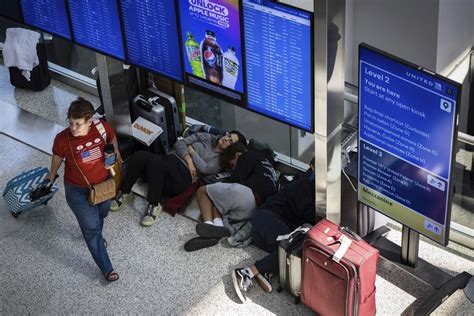
This sample, reflective of broader operations, reveals the logistical strain on major U.S. carriers coping with cascading disruptions.
Heavy Impact on Major Domestic Airports Nationwide
Perhaps the most startling revelation was how a single regional storm created widespread ripple effects. Delays were not confined to DFW but stretched coast to coast:
- Newark Liberty (EWR): 3 hours 21 minutes average delay
- John F. Kennedy (JFK): 3 hours 15 minutes
- LaGuardia (LGA): 65 minutes
- Miami (MIA): 2 hours 7 minutes
- San Francisco (SFO): 42 minutes due to low cloud ceilings
- Ronald Reagan Washington National (DCA): Less than 20 minutes but affected by visibility limitations
Such staggering delays at destination airports revealed the systemic vulnerability of the U.S. air traffic control system when critical nodes like DFW are disrupted.
What’s Causing the Prolonged Disruptions?
A confluence of meteorological and logistical issues created the perfect storm for disruption:
- Severe Thunderstorms over North Texas: Directly responsible for airspace congestion and arrival restrictions.
- Low Cloud Ceilings: Particularly problematic at SFO and DCA, reducing safe operating windows.
- Ground Delay Programs: FAA-mandated departure holds created departure congestion at originating airports.
The domino effect meant aircraft couldn’t leave their airports, and those in-flight often had to circle or divert, exacerbating strain on fuel planning, crew availability, and airport gates.
DFW as an Aviation Chokepoint
Dallas Fort Worth’s strategic position as a domestic and international connector amplifies the impact of any disruption. With hundreds of daily flights to cities across the U.S., including major East and West Coast hubs, storms at DFW create a bottleneck in the national air traffic grid.
Passengers heading to New York, Miami, Houston, and Los Angeles found themselves grounded, rerouted, or delayed, even if they were thousands of miles away from the storm system.
Operational Strain on Airlines and Air Traffic Control
As DFW remained throttled, airlines like American Airlines, which maintains a massive hub at the airport, were forced into a balancing act. Rather than cancel flights outright, they leaned on schedule reshuffling, trying to minimize impact by stretching aircraft and crew resources.
The FAA simultaneously juggled airspace deconfliction, managing inbound spacing intervals and slot availability while battling unpredictable weather.
What Passengers Need to Know
Travelers flying into or out of DFW over the next 24 hours are being urged to:
- Check flight status regularly via airline apps or platforms like FlightAware.
- Arrive early to manage potential gate changes or delays.
- Be flexible with travel plans — rerouting may be necessary.
- Stay in communication with carriers for potential rebooking options.
Those with connecting flights to heavily delayed airports like JFK, EWR, or MIA are advised to consider alternate airports or overnight layovers.
DFW Airport: Weather Conditions and Forecast
The ground delay was scheduled to end at 7:59 PM CDT, but meteorologists warned that the storm cells over Dallas remained volatile, with fast-moving clouds, occasional hail, and lightning risks. Cloud bases were reported below safe approach thresholds, contributing to low visibility and delayed instrument approach clearances.
FAA’s Broader Weather Disruption Response
The FAA’s National Air Traffic Control system continued monitoring key metropolitan airports, particularly in:
- Atlanta (ATL) – experiencing 24-minute average delays
- Los Angeles (LAX) – 34-minute delays due to residual congestion
- Boston, Charlotte, and Houston – multiple delayed inbound flights
Timed operations and rolling gate holds remain in place at multiple hubs.
The Bigger Picture: Fragility in the Face of Weather
This incident underscores how fragile U.S. air travel becomes during extreme weather. Even with modernized air traffic control systems, the aviation ecosystem remains sensitive to shifts in meteorological patterns, especially in interlinked hubs like DFW.
Flight delays from a single weather system can trigger an avalanche of disruptions, from aircraft repositioning problems to delayed crew availability, gate congestion, missed connections, and resource misalignment.
What Comes Next?
While the DFW delay program is expected to wind down by evening, continued vigilance is crucial. Passengers are advised to keep checking FAA updates and remain in touch with their airlines throughout the evening. Airlines reserve the right to cancel or adjust flights if weather conditions persist or worsen.
Airlines have also warned that Tuesday, July 15, may still see residual effects. Aircraft and crew displaced by Monday’s storm may not return to their original rotations until midday Tuesday, potentially triggering rolling delays or schedule gaps.
Traveler Recommendations for the Coming Hours
In summary, travelers using DFW or affected hubs should:
- Build buffer time into plans.
- Check airline apps and FAA.gov regularly.
- Use airport monitors to track gate and schedule changes.
- Contact carriers early if your flight connects through New York, Miami, or San Francisco.
While the worst may soon pass, the storm’s ripple effects on U.S. aviation highlight just how quickly and comprehensively the skies can gridlock.